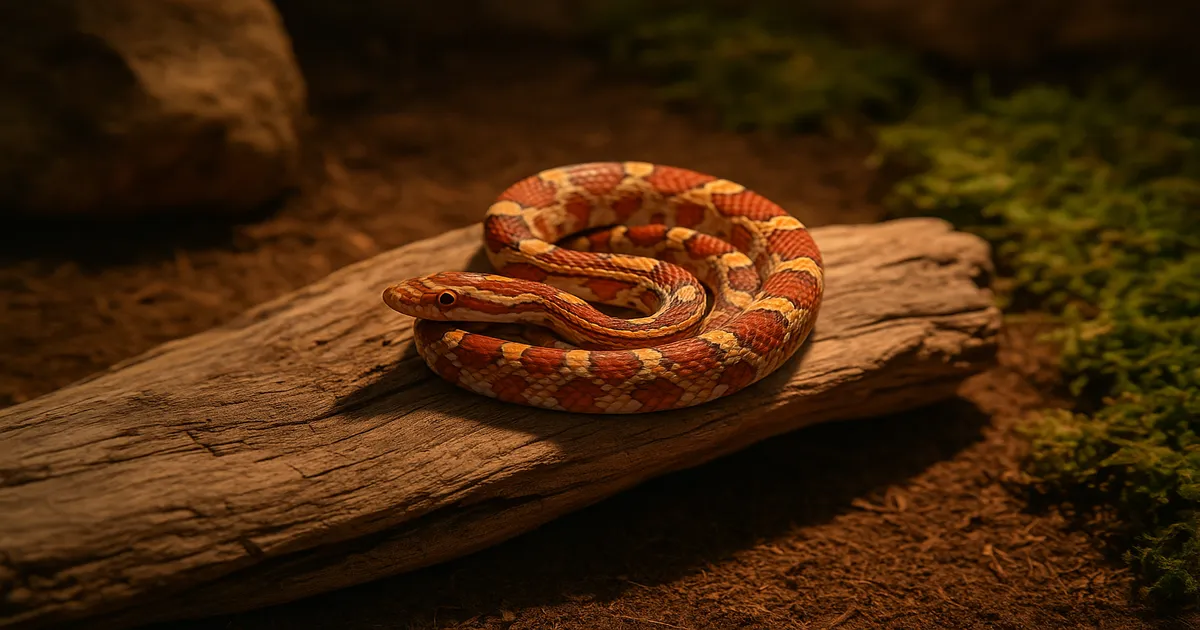
Quick Answer: The leopard gecko is the best beginner pet reptile for most people — forgiving care, a small enclosure footprint, and decades of captive breeding make it nearly foolproof. If you’re open to snakes, the corn snake is an equally strong pick: docile, easy to feed, and available in stunning color morphs.
Figuring out the best beginner pet reptile is genuinely harder than it looks. Walk into any reptile expo and you’ll find a dozen species being pitched as “perfect for beginners” — some of them absolutely are, and some will have you troubleshooting humidity at midnight six months later. I’ve narrowed this down to six species the hobby has consistently proven work well for new keepers: the leopard gecko, corn snake, bearded dragon, ball python, blue-tongued skink, and Russian tortoise. Each one gets a full breakdown below, but the comparison table will orient you fast if you already have a rough idea of what you want.
The Best Beginner Pet Reptiles at a Glance
Top Pick: Leopard Gecko
The leopard gecko has been captive-bred since the 1970s, and it shows. These animals are about as domesticated as a reptile gets. They thrive in a modest 20-gallon enclosure, tolerate a range of keeper skill levels, and live 15–20+ years — long enough that the setup you build actually matters.
Runner-Up: Corn Snake
For anyone snake-curious, the corn snake is the answer. Docile, accepts frozen/thawed prey without drama, and needs neither UVB nor high humidity. Hatchlings can be nippy, but a few weeks of regular handling fixes that almost every time.
What to Look For in a Beginner Pet Reptile
Daily time commitment is the factor most beginners underestimate. A bearded dragon needs fresh salads, live insects, and UVB access every single day. A corn snake needs feeding once a week and a water bowl change. Know your schedule before you commit to a species.
Equipment cost varies wildly. A complete leopard gecko setup runs $200–400. A bearded dragon rig — large enclosure, high-output UVB fixture, thermostats — can hit $700 before you’ve bought the animal. UVB bulbs also need replacing every 6–12 months even when they’re still glowing, so factor in ongoing costs.
Temperament matters more than people admit. Bearded dragons and leopard geckos tame down within weeks. Ball pythons can take a few months to stop being defensive. Some blue-tongued skink juveniles are genuinely feisty until they settle in. If you want a reptile you can handle from day one, that narrows the list.
Lifespan is the conversation nobody wants to have at an expo. A Russian tortoise can outlive you — 40–60+ years is realistic. Even a leopard gecko at 15–20 years is a serious commitment for a college student. Factor this in before you fall in love with something.
Space is a hard constraint. A leopard gecko fits in a 20-gallon. An adult bearded dragon needs a 120-gallon minimum — that’s a piece of furniture. If you’re in a small apartment, this eliminates some otherwise excellent options.
Always buy captive-bred. Wild-caught reptiles arrive stressed, often parasite-loaded, and with no feeding history. For every species on this list, captive-bred animals are readily available from reputable breeders and reptile expos. There’s no good reason to buy wild-caught.
Best Beginner Pet Reptile Comparison
| Species | Adult Size | Lifespan | Difficulty | Min. Enclosure (Adult) | UVB Required | Humidity | Diet | Est. Startup Cost | Best For |
|---|---|---|---|---|---|---|---|---|---|
| Leopard Gecko | 7–10 in | 15–20+ yrs | ⭐ | 20-gal long | Beneficial | 30–40% ambient / 70–80% moist hide | Insects | $200–400 | First-timers, apartments |
| Corn Snake | 3–5 ft | 15–20+ yrs | ⭐ | 40-gal | No | 40–60% | Frozen/thawed mice | $150–350 | Snake-curious beginners |
| Bearded Dragon | 18–24 in | 10–15 yrs | ⭐⭐ | 120-gal | Yes (high-output) | 30–40% | Insects + greens daily | $400–700 | Families, interactive keepers |
| Ball Python | 3–5 ft | 20–30+ yrs | ⭐⭐ | 4’×2’×2’ | Beneficial | 60–80% | Frozen/thawed rats or mice | $250–500 | Patient snake enthusiasts |
| Blue-Tongued Skink | 18–24 in | 15–20 yrs | ⭐⭐ | 4’×2’ footprint | Recommended | 40–60% | Omnivore (protein + veg) | $350–600 | Keepers wanting personality |
| Russian Tortoise | 6–10 in | 40–60+ yrs | ⭐⭐ | 4’×4’ indoor | Yes (high-output) | 40–50% | Dark leafy greens, grasses | $300–550 | Long-haul, committed keepers |
Leopard Gecko (Eublepharis macularius)
The leopard gecko has earned its reputation as the gold-standard beginner reptile. These are terrestrial, crepuscular lizards from the arid scrublands of Pakistan, Afghanistan, and northwestern India — and their natural environment translates into a setup that’s genuinely manageable for a first-time keeper. One thing I find endlessly charming: unlike most geckos, leos have moveable eyelids. They blink. It gives them a personality that’s hard not to anthropomorphize, and it makes them far more engaging to watch than their small size suggests.
Key specs:
- Adult size: 7–10 inches
- Lifespan: 15–20+ years
- Minimum enclosure: 20-gallon long (30”×12”×12”)
- Warm side: 88–92°F (31–33°C) at substrate level
- Cool side: 72–78°F (22–26°C)
- Humidity: 30–40% ambient; 70–80% inside moist hide
- UVB: Beneficial (Arcadia T5 6% or Zoo Med ReptiSun 6.0 T5 HO), not strictly required
- Diet: Crickets, dubia roaches, mealworms — gut-loaded and dusted with calcium D3
Heat comes from the substrate up, not the air down — an under-tank heater (Ultratherm UTH) paired with a thermostat (Inkbird ITC-306T) is the standard setup, and it works well. Skip the thermostat and you risk cooking your gecko; it’s not optional.
Pros
- Most forgiving lizard care on this list — minor husbandry lapses don’t spiral into emergencies
- Small enclosure footprint works in apartments, dorm rooms, and shared spaces
- Hundreds of captive-bred morphs available; no need to touch wild-caught stock
- No mandatory basking bulb simplifies the setup considerably
Cons
- Crepuscular/nocturnal — don’t expect much daytime activity
- Males cannot be cohabitated; females can be housed together but watch for resource competition
- Moist hide needs regular cleaning to prevent bacterial buildup
- Juveniles need feeding every day, which is more of a commitment than it sounds
Best for: First-time reptile owners, apartment dwellers, and busy adults who want a genuinely rewarding pet without daily intensive care.
Corn Snake (Pantherophis guttatus)
If someone tells me they want a snake but they’re nervous about snakes, I always say corn snake. These are slender, calm, athletic animals — they’re used as educational ambassadors at zoos and nature centers for a reason. Native to the southeastern US, they’ve been line-bred in captivity for decades, and the morph variety is genuinely staggering. Care requirements are about as simple as snake keeping gets.
Key specs:
- Adult size: 3–5 feet
- Lifespan: 15–20+ years
- Minimum enclosure: 40-gallon (36”×18”×18”)
- Warm side: 80–85°F (27–29°C)
- Cool side: 70–75°F (21–24°C)
- Humidity: 40–60%; bump to 65–70% during shed
- UVB: Not required; beneficial if provided
- Diet: Frozen/thawed mice, fed every 7–10 days for juveniles, every 10–14 days for adults
Pros
- Frozen/thawed prey accepted readily — no live rodents, no drama
- Lower humidity demands than ball pythons; a standard glass tank works fine
- Tames down fast with regular handling; even nippy hatchlings usually settle within weeks
- No UVB, no complex lighting — the simplest setup on this list
Cons
- Notorious escape artists — a secure, clipped lid isn’t optional, it’s survival
- Hatchlings can be defensive before they settle in (it passes, but it’s startling)
- Less visually interactive than lizards — snakes don’t “do” as much in an obvious way
- Frozen prey means dedicating freezer space to mice, which not everyone’s housemates will appreciate
Best for: Snake-curious beginners and anyone who finds lizard care more complex than expected.
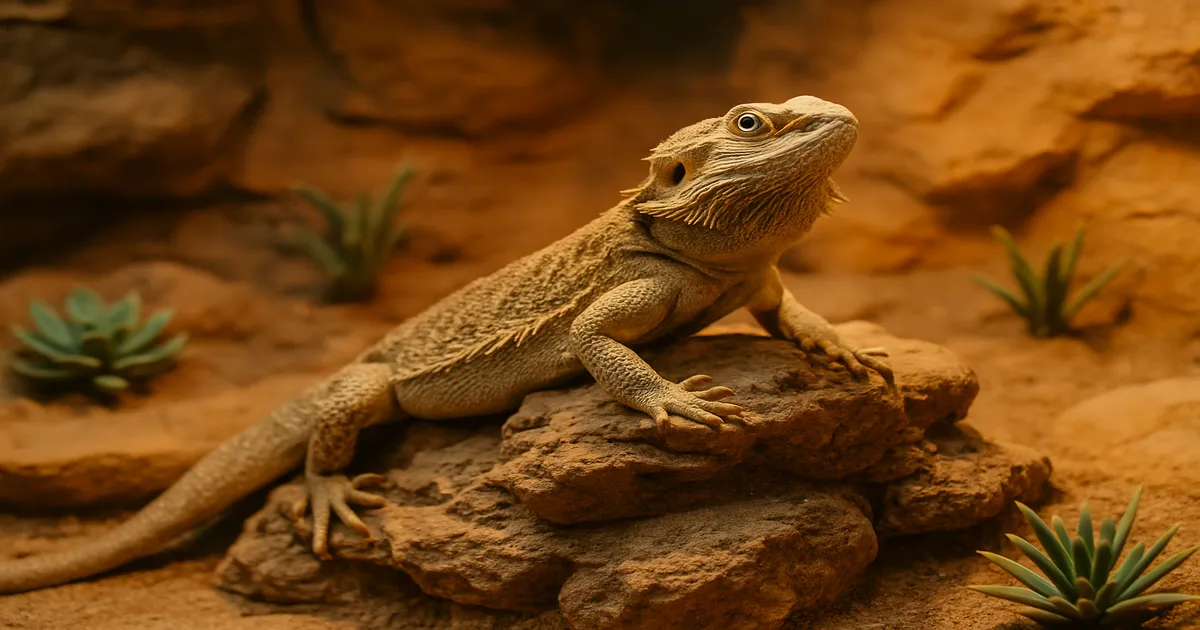
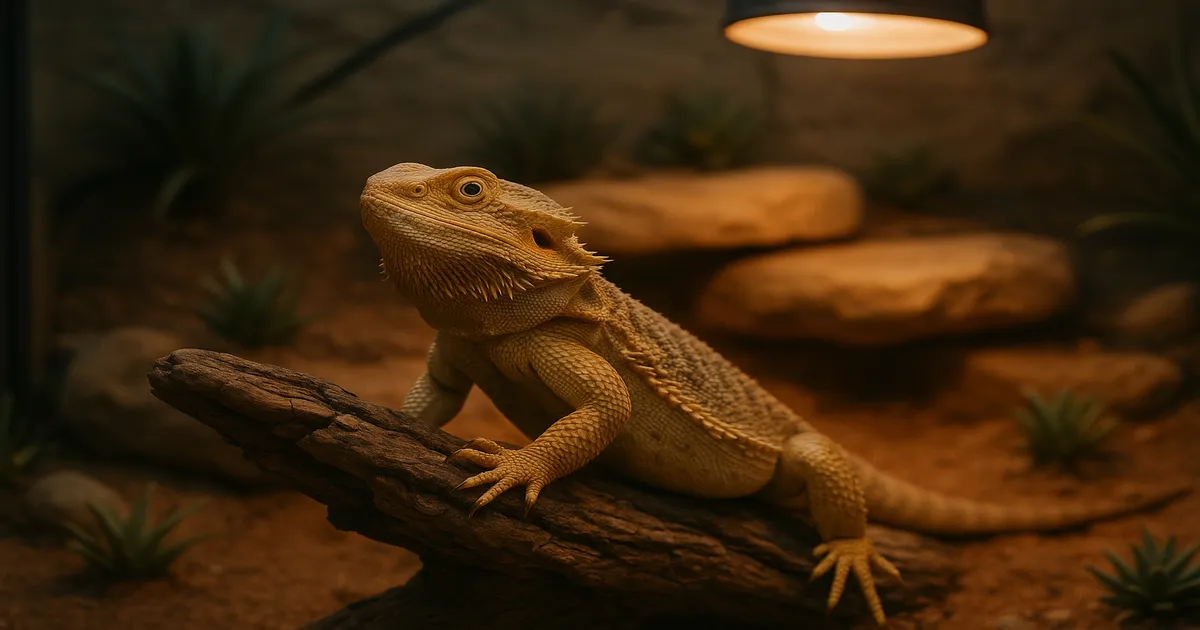
Bearded Dragon (Pogona vitticeps)
Bearded dragons are the most dog-like reptile on this list, and I mean that as a genuine compliment. They’re diurnal, they recognize their keepers, they’ll sit on your shoulder while you watch TV, and they do that slow arm-wave thing that looks impossibly cute (it’s actually a submissive behavior, but still). The tradeoff is real: they need the most equipment of any species here, and the daily care commitment is significant.
Key specs:
- Adult size: 18–24 inches
- Lifespan: 10–15 years
- Minimum adult enclosure: 120-gallon (48”×24”×24”)
- Basking spot: 105–115°F (40–46°C) surface temp
- Cool side: 80–85°F (27–29°C)
- Humidity: 30–40%
- UVB: Arcadia T5 HO 12% or Zoo Med ReptiSun 10.0 T5 HO — mandatory, not optional
- Diet: Juveniles 70% insects/30% greens; adults flip to roughly 30% insects/70% greens
UVB neglect causes metabolic bone disease (MBD). It’s painful, often irreversible if caught late, and entirely preventable. Don’t cheap out on the fixture.
Pros
- Most interactive and personable beginner reptile, full stop
- Diurnal — active during the day when you’re actually home to enjoy them
- Massive keeper community means help is always a forum post away
- Tames down quickly; most beardeds genuinely seem to enjoy handling
Cons
- A 120-gallon enclosure is a serious piece of furniture — measure your space first
- Daily feeding and salad prep is a real time commitment, not a weekend hobby
- High-output UVB fixture is expensive upfront and needs bulb replacement every 6–12 months
- Fireflies are lethal to bearded dragons — never feed wild-caught insects without thorough research
Best for: Families with older children and keepers who want maximum daily interaction with their reptile.
Ball Python (Python regius)
The ball python is the most popular pet snake in the world, and it’s easy to see why — calm, manageable in size, and available in an almost absurd variety of morphs. The challenges are real, though. Humidity is the big one: 60–80% is non-negotiable, and a standard glass tank will fight you every step of the way. The other challenge is feeding refusals, which can stretch for weeks or months and have caused more than a few beginners to spiral unnecessarily.
Key specs:
- Adult size: 3–5 feet (females typically larger)
- Lifespan: 20–30+ years
- Minimum adult enclosure: 4’×2’×2’ (PVC or wood strongly preferred over glass)
- Hot spot: 88–92°F (31–33°C) at substrate level
- Ambient warm side: 80–85°F (27–29°C)
- Cool side: 75–80°F (24–27°C)
- Humidity: 60–80% — this is not negotiable
- Diet: Frozen/thawed rats or mice, every 7–14 days depending on age and size
Pros
- Extremely docile once established; defensive bites are rare in captive-bred animals
- No UVB required
- Infrequent feeding schedule suits busy keepers
- Morph variety is unmatched — some of the most visually stunning snakes in the hobby
Cons
- Humidity maintenance is harder than any other species on this list; glass tanks require significant modification to hold 60–80%
- Feeding refusals can last weeks or months — genuinely not a good fit for anxious keepers
- 20–30+ year lifespan requires serious long-term planning
- PVC enclosure is strongly recommended over glass, which adds meaningful upfront cost
Best for: Patient keepers who’ll invest in proper humidity management from day one and won’t panic when the snake skips a few meals.
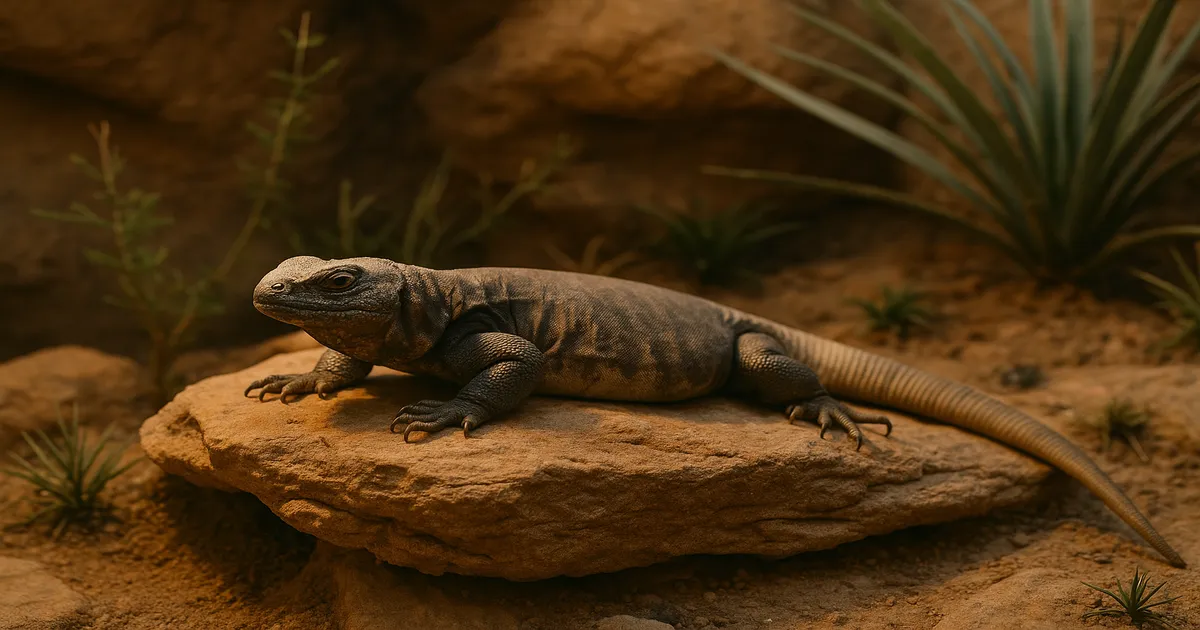
Blue-Tongued Skink (Tiliqua spp.)
Blue-tongued skinks are genuinely underrated in the beginner conversation. They’re stocky, bold, and have a personality that punches well above their weight class. A well-socialized Northern BTS (T. scincoides intermedia) will walk up to you, investigate your hands, and eat from your fingers within a few weeks of consistent handling. The feeding is one of the best parts of ownership — a varied omnivore diet of proteins, vegetables, and fruits keeps things interesting in a way that “crickets again” never does.
Key specs:
- Adult size: 18–24 inches
- Lifespan: 15–20 years
- Minimum enclosure: 4’×2’ footprint (120-gallon or equivalent)
- Basking spot: 100–105°F (38–40°C)
- Warm side ambient: 85–90°F (29–32°C)
- Cool side: 75–80°F (24–27°C)
- Humidity: 40–60% (Northern BTS); Indonesian species like T. gigas need 60–80%
- UVB: T5 HO recommended — Arcadia 6–12% depending on enclosure depth
- Diet: Roughly 50% protein (quality dog food, cooked meat, insects), 50% vegetables and limited fruit
Pros
- Bold, interactive personality that rivals bearded dragons
- Manageable adult size for a lizard with this much character
- Omnivorous diet is easy to source and keeps feeding genuinely interesting
- Less common in the hobby — you’ll stand out at any reptile meetup
Cons
- Higher price point — captive-bred Northern BTS regularly run $200–400+ for the animal alone
- Less available in chain pet stores; reputable breeders are the only reliable source
- Juveniles can be defensive and will musk; patience during the taming period is required
- UVB and basking setup adds equipment complexity compared to geckos or corn snakes
Best for: Keepers ready to step up from a leopard gecko — more personality, more dietary variety, and a genuinely impressive display animal.
Russian Tortoise (Agrionemys horsfieldii)
Russian tortoises are the most manageable tortoise for indoor keeping — smaller than sulcatas (which can hit 100+ lbs), hardier than many Mediterranean species, and genuinely fascinating to observe. But I want to be direct: a 40–60+ year lifespan is not a selling point you should gloss over. This animal may outlive you. That’s either deeply appealing or a dealbreaker, and you should know which before you walk into a reptile expo.
Key specs:
- Adult size: 6–10 inches (females larger)
- Lifespan: 40–60+ years
- Minimum indoor enclosure: 4’×4’ tortoise table or equivalent
- Basking spot: 95–100°F (35–38°C)
- Cool side: 70–75°F (21–24°C)
- Humidity: 40–50%
- UVB: High-output T5 HO required — no shortcuts
- Diet: Dark leafy greens, grasses, edible weeds — no fruit, minimal protein
- Substrate depth: Minimum 6 inches to accommodate burrowing behavior
Pros
- Small size for a tortoise makes indoor keeping genuinely practical
- Hardy and cold-tolerant compared to most tortoise species
- Herbivorous diet is inexpensive — dandelion greens and collard greens are cheap
- Can be kept in outdoor pens in warm climates, which dramatically simplifies care
Cons
- 40–60+ year lifespan requires actual estate planning — this is not hyperbole
- Deep substrate requirement (6+ inches) means a large volume of material to maintain
- Brumation (hibernation) management adds a layer of complexity most beginners don’t anticipate
- Most tortoises tolerate handling rather than enjoy it — don’t expect a cuddly pet
Best for: Committed, research-oriented keepers who understand the multigenerational responsibility. Not an impulse purchase, and not ideal for young children without consistent adult oversight.
Our Verdict: Which Beginner Pet Reptile Should You Choose?
Best overall beginner reptile: Leopard Gecko. For the vast majority of first-time keepers, this is the answer. Forgiving care, small footprint, captive-bred stock everywhere, and a 15–20+ year lifespan that rewards the relationship you build. If you’re on the fence, start here.
Best beginner snake: Corn Snake. There’s no close second. Corn snakes eat reliably, handle well, and don’t require the humidity management that makes ball pythons trickier. Want a snake that’s actually straightforward? Get a corn snake.
Best for families and daily interaction: Bearded Dragon. This is the reptile that non-reptile people actually get excited about. Visible, active, and responsive in a way that makes them compelling for households with kids. Just make sure the adults are committed to the daily care — this isn’t a set-it-and-forget-it species.
Best for snake enthusiasts who want a challenge: Ball Python. If you’re drawn to ball pythons specifically — the morphs, the temperament, the sheer variety — go for it. Invest in a proper PVC enclosure like the Zen Habitats 4×2×2 (Animal Plastics T8) from the start, and don’t panic when they skip a meal or three.
Best underrated pick: Blue-Tongued Skink. If you want personality that most people haven’t seen before, a Northern BTS is the move. They eat real food, they interact with you, and they reward keepers who take socialization seriously.
Best for the long-haul keeper: Russian Tortoise. If you’ve done the research, you understand the lifespan, and you have outdoor space in a warm climate — a Russian tortoise is a genuinely wonderful long-term companion. Go in with eyes open.
One last note on sourcing: buy captive-bred, always. Reptile expos and reputable online breeders (MorphMarket is a solid starting point for most species) will give you a healthier animal with a known history. And before you bring anything home, set up and stabilize the enclosure completely — temperatures dialed in, humidity checked, hides in place. The animal should be the last thing that goes into the setup, not the first.
Frequently Asked Questions About Beginner Pet Reptiles
What is the easiest reptile to take care of for a beginner?
The leopard gecko. Small enclosure, tolerates a range of temperatures, eats readily available feeder insects, and doesn’t require mandatory UVB. Decades of captive breeding have made these animals hardy, handleable, and forgiving of the small mistakes every new keeper makes.
Are reptiles good pets for kids?
They can be, but age and supervision matter. Bearded dragons and leopard geckos are the most child-friendly species on this list — calm, handleable, and visually engaging. The main hygiene consideration is salmonella: kids should always wash hands thoroughly after handling any reptile or touching enclosure surfaces. The CDC recommends against reptile contact for children under 5.
How much does it cost to set up a beginner reptile enclosure?
Realistic all-in startup costs vary by species. A leopard gecko setup runs $200–400; a corn snake $150–350; a ball python $250–500; a bearded dragon $400–700 or more once you factor in a quality UVB fixture and large enclosure. These figures include enclosure, heating, lighting, substrate, hides, and basic supplies — not the animal itself.
Do beginner reptiles need UVB lighting?
Depends on the species. Bearded dragons, blue-tongued skinks, and Russian tortoises require high-output UVB — skipping it leads to metabolic bone disease, which is painful and often fatal. Leopard geckos, corn snakes, and ball pythons don’t strictly require it, but current research suggests they benefit from low-level exposure. A low-output UVB tube like the Arcadia T5 6% is a worthwhile addition to a gecko or snake enclosure even if it’s not mandatory.
What reptile is best if I don’t want to handle live prey?
Corn snakes and ball pythons. Both accept frozen/thawed prey readily when captive-bred and properly conditioned — no live rodents required. Corn snakes in particular almost never refuse frozen/thawed mice once established. If you want a lizard but want to avoid live insects entirely, that’s harder — most beginner lizards require live feeders, at least as juveniles.