Quick Answer: The leopard gecko is the best overall pet reptile for beginners — small enclosure, forgiving temps, and genuinely handleable. If you want a snake, start with a corn snake: docile, beautiful, and one of the easiest reptiles to keep alive long-term.
Figuring out what is the best pet reptile is harder than it sounds, because the honest answer is “it depends.” It depends on your space, your budget, how much time you want to spend on feeding prep, and whether you want something that’ll sit on your hand while you watch TV or something that’s more of a display animal. I’ve kept most of the species on this list, and I’ll tell you straight: the gap between a well-kept reptile and a neglected one almost always comes down to doing this research before you buy — not after.
This article covers seven species across beginner and intermediate levels. You’ll get a comparison table, honest pros and cons for each, and a clear verdict on who each species actually suits.
What to Look For When Choosing the Best Pet Reptile
Experience Level & Time Commitment
Some species are genuinely beginner-friendly — they tolerate minor husbandry errors and have wide temperature windows. Others punish you for getting humidity wrong. Beginners should stick to species with forgiving parameters, not the ones that look coolest at the reptile expo.
Enclosure Size & Space Requirements
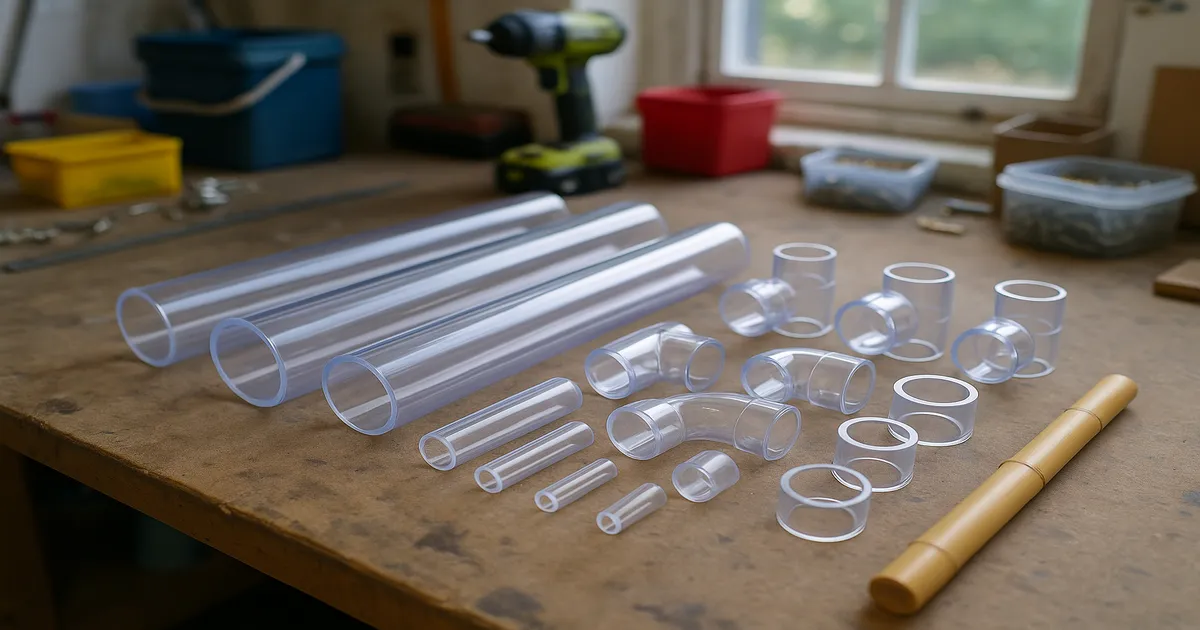
A 20-gallon tank and a 4’×2’×2’ PVC enclosure are completely different commitments in cost, space, and setup complexity. Be honest about your living situation before you fall in love with a species that needs a room-sized setup.
Heating, Humidity & UVB
Every reptile needs a proper thermal gradient — a warm side and a cool side so the animal can regulate its own body temperature. Some species need high-output UVB (non-negotiable for bearded dragons and tortoises), while others are more flexible. Humidity matters just as much: ball pythons need 70–80%; bearded dragons need 30–40%. Getting those backwards is how animals get sick.
Always use a thermostat with any heating element — no exceptions. An uncontrolled under-tank heater will cook your animal. The Inkbird ITC-306A is a reliable, affordable option.
Lifespan & Long-Term Cost
This one catches people off guard. Leopard geckos live 15–20 years. Corn snakes live 20+. Ball pythons regularly hit 25–30. A Russian tortoise you buy today might outlive you. Factor in electricity, vet bills, feeder costs, and substrate — the monthly cost is modest, but it compounds over decades.
Handling Temperament
Reptiles don’t love you the way a dog does. What you’re really measuring is tolerance — how quickly an animal stops seeing you as a threat. Bearded dragons and blue-tongued skinks are genuinely interactive. Leopard geckos become remarkably calm with regular handling. Crested geckos tend to stay skittish. Know what you’re getting into.
Captive-Bred Availability
Always buy captive-bred (CB). Wild-caught animals are stressed, often parasite-laden, and harder to tame. Every species on this list has a robust CB population and is available from reputable breeders online or at reptile expos.
Best Pet Reptiles Compared: At-a-Glance Table
| Species | Experience Level | Adult Enclosure | Basking Temp | Humidity | UVB | Diet | Lifespan | Startup Cost |
|---|---|---|---|---|---|---|---|---|
| Leopard Gecko | Beginner | 40-gal breeder | 88–92°F (31–33°C) | 30–40% | Recommended | Insects | 15–20 yrs | $200–$400 |
| Corn Snake | Beginner | 4’×2’×2’ | 80–85°F (27–29°C) | 40–60% | Optional | Frozen mice | 20+ yrs | $200–$400 |
| Ball Python | Beginner–Int. | 4’×2’×2’ | 88–92°F (31–33°C) | 70–80% | Recommended | Frozen rats/mice | 25–30+ yrs | $300–$500 |
| Bearded Dragon | Beginner | 4’×2’×4’ (120 gal) | 100–110°F (38–43°C) | 30–40% | Critical | Insects + greens | 10–15 yrs | $400–$700 |
| Crested Gecko | Beginner | 18”×18”×24” | No basking | 60–80% | Beneficial | MRP + insects | 15–20 yrs | $200–$350 |
| Blue-Tongued Skink | Intermediate | 4’×2’×2’ | 100–110°F (38–43°C) | Varies by subspecies | Strongly Rec. | Omnivore | 15–20 yrs | $350–$600 |
| Russian Tortoise | Intermediate | 4’×8’ indoor min. | 95–100°F (35–38°C) | 40–60% | Critical | Grasses/weeds | 40–50+ yrs | $400–$700 |
Leopard Gecko (Eublepharis macularius)
The leopard gecko is the quintessential starter reptile, and for good reason. Native to the arid scrublands of Pakistan and Afghanistan, they’re tough, adaptable, and have been selectively bred in captivity longer than almost any other reptile — which means hundreds of morphs and a deep pool of experienced breeders. They’re crepuscular and nocturnal, so they’re most active in the evening, which actually suits keepers who are out during the day.
Care specs:
- Enclosure: 40-gallon (150L) breeder preferred; 20-gallon long is the absolute minimum (Zoo Med ReptiHabitat Leopard Gecko Kit)
- Warm hide temp: 88–92°F (31–33°C) — measure at floor level with a temp gun, not the air above it
- Cool side: 70–75°F (21–24°C)
- Humidity: 30–40% ambient; moist hide with damp sphagnum moss for shedding
- UVB: Low-level (Ferguson Zone 1) now recommended — a Zoo Med ReptiSun 5.0 T8 or Arcadia 6% T5 on a 12-hour cycle
- Diet: Crickets, dubia roaches, mealworms — dusted with calcium + D3 every other feeding
- Substrate: Topsoil/play sand mix (60/40); never use calcium sand — impaction risk is real
Pros
- Small enclosure fits almost anywhere
- Tolerates handling exceptionally well with regular interaction
- No strict UVB requirement, though low-level UVB is worth running
- Hundreds of CB morphs at accessible price points
- 15–20 year lifespan without the extreme commitment of a ball python or tortoise
Cons
- Nocturnal — don’t expect much action during the day
- Insectivore diet means you’re always maintaining a feeder colony or buying bugs weekly
- Moist hide needs regular cleaning to prevent bacterial growth
- Requires a thermostat-controlled UTH or low-wattage radiant heat panel — no heat rocks, ever
Best for: First-time reptile keepers who want a handleable, low-footprint pet that doesn’t require a dedicated room.
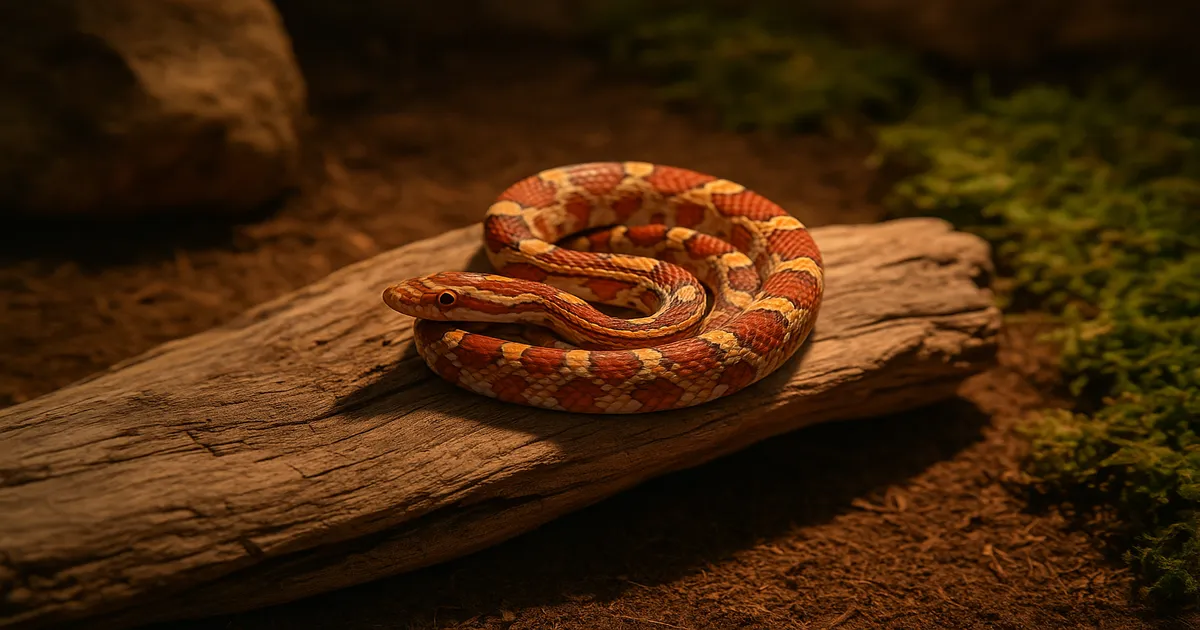
Corn Snake (Pantherophis guttatus)
Corn snakes are the gold standard beginner snake, and I’ll argue that point with anyone. They’re native to the southeastern U.S., adapted to a wide range of conditions, and genuinely not fussy. They feed reliably on frozen/thawed mice, come in dozens of stunning color morphs, and seem curious about their environment in a way that makes them fun to watch. The escape-artist reputation is real, but a clip-locked lid solves it.
Care specs:
- Enclosure: 20-gallon long for juveniles; 4’×2’×2’ PVC for adults
- Warm side: 80–85°F (27–29°C)
- Cool side: 70–75°F (21–24°C)
- Humidity: 40–60%; bump to 65–70% during shed
- UVB: Optional but beneficial — a low-output T5 won’t hurt and may improve long-term health
- Substrate: Aspen shavings or coco fiber; avoid cedar and pine — the aromatic oils are toxic to snakes
- Diet: Frozen/thawed mice; juveniles every 5–7 days, adults every 10–14 days
Pros
- Extremely docile — rarely strikes, tames down quickly even from a nervous hatchling
- Frozen/thawed diet means no live prey handling
- Manageable humidity needs — no special equipment required
- Active and curious; genuinely fun to watch exploring their enclosure
- Stunning morph selection at accessible price points
Cons
- Escape artists — a secure, clip-locked lid is non-negotiable, not optional
- Can go off feed seasonally, which stresses new keepers unnecessarily (it’s usually fine)
- Adults need a proper 4-foot enclosure — the 20-gallon you started with won’t cut it long-term
- 20+ year commitment deserves serious thought before purchase
Best for: Anyone who wants their first snake. Active, handleable, and genuinely low-maintenance once set up correctly.
Ball Python (Python regius)
The most popular pet snake in the world, and it’s easy to see why. Ball pythons are docile, slow-moving, and available in literally thousands of genetic morph combinations — from basic pastels to high-end clown combos that sell for thousands of dollars. I’d call them a beginner snake with an asterisk: the care is manageable, but humidity requirements trip up more keepers than anything else. If you’re not willing to invest in a proper PVC enclosure and a reliable thermostat, pick a corn snake instead.
Care specs:
- Enclosure: 4’×2’×2’ PVC minimum for adults; hatchlings can start in a 32-qt tub
- Hot spot: 88–92°F (31–33°C) via UTH or radiant heat panel, controlled by thermostat
- Ambient warm side: 80–85°F (27–29°C)
- Cool side: 76–80°F (24–27°C)
- Humidity: 70–80% — cypress mulch or coco fiber is essential; a glass tank with a screen top will never hold this
- UVB: Increasingly recommended; a low-output T5 is a worthwhile addition
- Diet: Frozen/thawed mice or appropriately sized rats every 7–14 days depending on age
Pros
- Incredibly docile — their stress response is to curl into a ball, not bite
- Thousands of morphs at every price point
- Slow metabolism means infrequent feeding and lower ongoing food costs
- Widely captive-bred; reputable breeders are easy to find
Cons
- 70–80% humidity is the #1 failure point — dry enclosures cause stuck sheds and respiratory infections
- Notorious for going off feed for weeks or months, especially males during breeding season
- 25–30+ year lifespan is a serious commitment
- Needs a PVC or wooden enclosure to hold humidity — glass tanks with screen tops simply don’t work
Best for: Committed beginners who’ve done their homework on humidity management and want the widest morph selection in a snake.
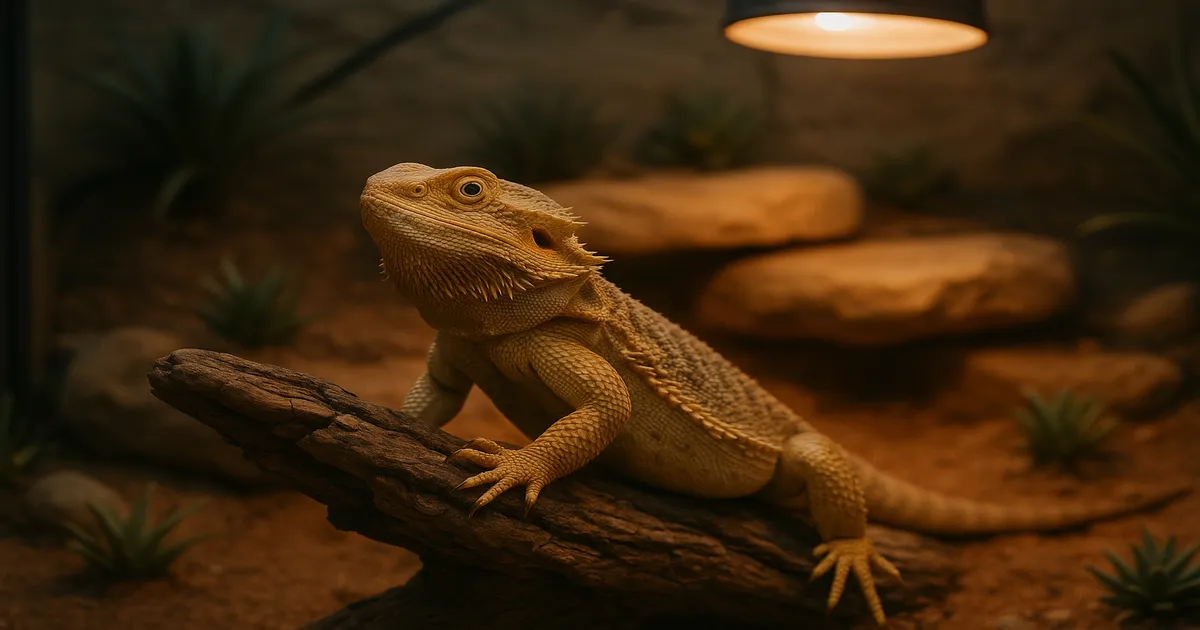
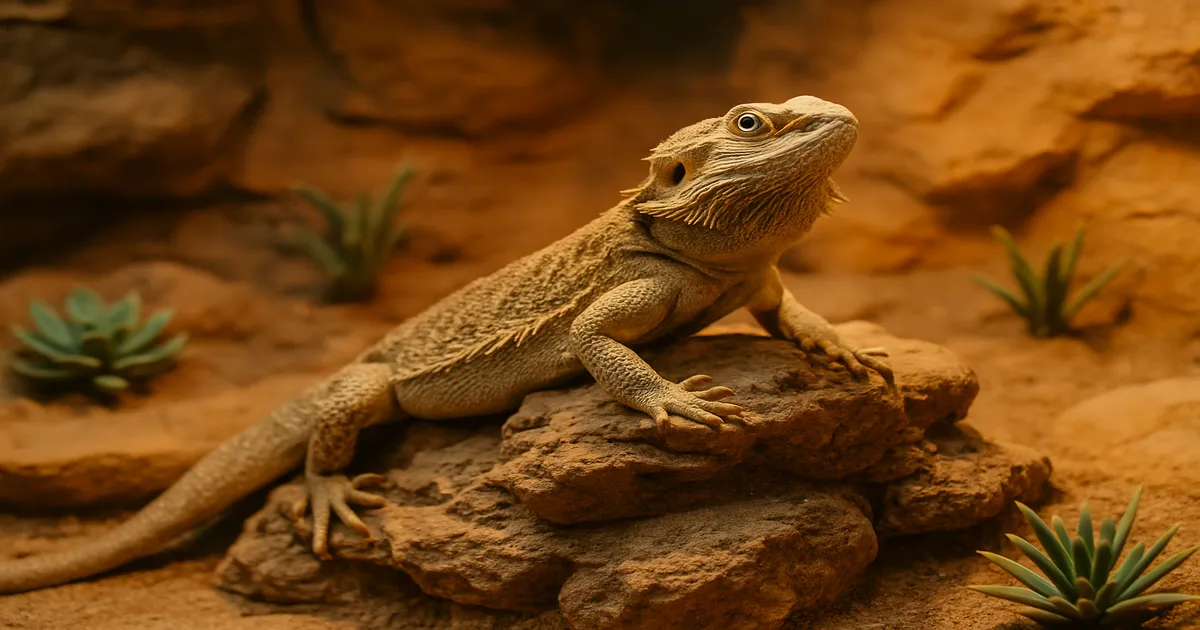
Bearded Dragon (Pogona vitticeps)
If you want a reptile that actually interacts with you, bearded dragons are in a category of their own. They’re diurnal, responsive, and genuinely curious — they’ll watch TV with you, recognize your face, and beg for food in a way that feels almost mammalian. The trade-off is the highest equipment cost of any beginner-friendly species, and UVB is absolutely not optional. Metabolic bone disease from inadequate UVB is slow, painful, and entirely preventable.
Care specs:
- Enclosure: 4’×2’×4’ (120-gallon equivalent) for adults — this is the minimum, not a suggestion
- Basking spot: 100–110°F (38–43°C) for adults; a 75W halogen flood bulb from the hardware store works perfectly
- Cool side: 80–85°F (27–29°C)
- Humidity: 30–40%; too humid causes respiratory infections
- UVB: High-output T5 HO is critical — Arcadia 12% Desert or Zoo Med ReptiSun 10.0 HO T5 (Ferguson Zone 3)
- Diet: Juveniles: 70% insects, 30% leafy greens; adults: flip that ratio — 70% greens, 30% insects. Calcium + D3 every feeding for juveniles, every other for adults
- Substrate: Bioactive topsoil/excavator clay mix for adults; paper towel for juveniles under 6 inches
Pros
- Most interactive and “dog-like” reptile available — genuinely responsive to their keepers
- Diurnal, so you actually see them during normal waking hours
- Fascinating natural behaviors: arm-waving, head-bobbing, beard-darkening
- Widely captive-bred; good veterinary familiarity in most areas
Cons
- Highest upfront equipment cost of any beginner species — budget $400–$700 minimum for a proper setup
- Large enclosure required; a 40-gallon is not sufficient for an adult, full stop
- UVB is non-negotiable — MBD without it is slow and painful
- Juvenile vs. adult diet ratios matter; overfeeding insects to adults causes fatty liver disease
Best for: Keepers who want maximum interactivity and are prepared to invest in proper lighting and a large enclosure from day one.
Crested Gecko (Correlophus ciliatus)
Crested geckos were thought extinct until rediscovered in New Caledonia in 1994. Since then, they’ve become one of the most popular gecko species in captivity — and it’s not hard to see why. In most temperate homes they don’t need any supplemental heating, and their diet is largely handled by a commercially prepared meal replacement powder. That combination makes them uniquely low-fuss.
Care specs:
- Enclosure: 18”×18”×24” Exo Terra or equivalent for adults — taller is better than wider
- Temperature: 72–78°F (22–26°C) ambient; cannot exceed 85°F (29°C) without risking heat stress — this is a real concern in summer
- Humidity: 60–80%; allow a partial dry-out between mistings. The wet/dry cycle matters more than hitting a specific number
- UVB: Beneficial (Ferguson Zone 1–2); a low-output Arcadia 6% T5 is worth adding
- Substrate: Bioactive ABG mix strongly recommended; coco fiber is acceptable
- Diet: Pangea or Repashy MRP as the staple; supplement with live insects 1–2× per week
Pros
- No supplemental heating needed in most temperate homes — real cost savings
- MRP diet dramatically reduces feeder insect dependency
- Striking appearance with a manageable vertical enclosure footprint
- Beginner-friendly care parameters overall
Cons
- Dropped tails don’t regenerate — unlike leopard geckos, what falls off stays off
- Heat sensitivity is a genuine risk in summer without air conditioning
- More skittish than leopard geckos; some individuals never fully tame down
- Wet/dry humidity cycle requires a reliable misting schedule — neglect it and you get respiratory issues or stuck sheds
Best for: Beginners in temperate climates who want a visually striking gecko with low heating costs and minimal feeder insect dependency.
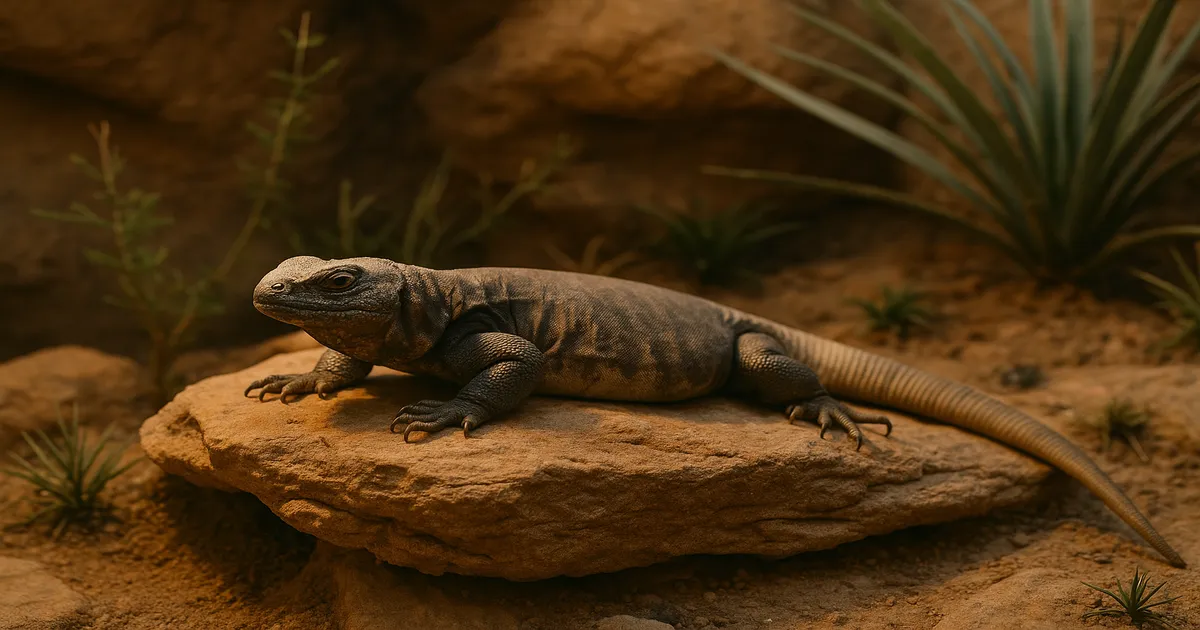
Blue-Tongued Skink (Tiliqua spp.)
Blue-tongued skinks are the best intermediate lizard available, full stop. They’re exceptionally calm from a young age, their blue-tongue threat display is endlessly entertaining, and they eat a varied omnivore diet that’s easy to source. The main catch: you need to know which subspecies you have before you set up the enclosure. Northern BTS (T. scincoides intermedia) are arid animals that need 30–40% humidity. Indonesian subspecies like Halmahera (T. gigas gigas) need 60–80%. Getting those two confused is one of the most common mistakes new BTS keepers make.
Care specs:
- Enclosure: 4’×2’×2’ minimum for adults
- Basking spot: 100–110°F (38–43°C)
- Warm side: 85–90°F (29–32°C)
- Cool side: 75–80°F (24–27°C)
- Humidity: Northern BTS: 30–40%; Indonesian subspecies: 60–80%
- UVB: High-output T5 HO strongly recommended — Arcadia 6% for Indonesian subspecies, 12% for Northern
- Substrate: Topsoil/coco fiber mix at 4–6 inches depth for burrowing
- Diet: Rotate quality dog food (Purina Pro Plan or similar), snails, insects, and leafy greens; limit fruit; avoid high-oxalate greens like spinach and beet greens
Pros
- Exceptionally calm temperament — among the most handleable lizards you can keep
- Blue-tongue display behavior is genuinely fascinating
- Robust and forgiving of minor husbandry errors compared to more sensitive species
- Omnivore diet is easy to source without specialized feeders
Cons
- Subspecies humidity requirements differ significantly — research before you buy, not after
- Less widely available than beginner species; expect to pay more for a captive-bred animal
- Large enclosure is non-negotiable for an adult
- Not the right first reptile — better as a step up from a leopard gecko
Best for: Intermediate keepers who want a calm, handleable lizard with real personality and are ready to manage a larger setup.
Russian Tortoise (Testudo horsfieldii)
Russian tortoises are the most approachable tortoise species for intermediate keepers — small adults at 6–8 inches, cold-hardy enough to live outdoors in USDA zones 6+ with proper setup, and genuinely personable in the way only a tortoise can be. But I want to be direct: tortoises are a fundamentally different commitment from lizards or snakes. A 40–50+ year lifespan means you’re potentially making arrangements for this animal in your will. That’s not a joke — it’s something to think about seriously before you buy.
Care specs:
- Enclosure: 4’×8’ indoor minimum; outdoor pen strongly preferred for adults
- Basking spot: 95–100°F (35–38°C)
- Ambient: 70–80°F (21–27°C)
- Humidity: 40–60%; burrowing access is important for thermoregulation and hydration
- UVB: Critical — high-output T5 HO or natural sunlight (Ferguson Zone 3); no UVB means MBD, period
- Substrate: Sandy loam or topsoil mix at 8–12 inches depth for burrowing — they need to dig
- Diet: High-fiber, low-protein grasses and weeds — dandelion, timothy hay, spring mix, broadleaf plantain. No fruit. No high-protein foods. Mistakes here cause pyramiding and long-term organ damage (Arcadia EarthPro Tortoise Dry Food)
Pros
- Smaller and more manageable than most tortoise species
- Cold-hardy; can be kept outdoors in many climates with a proper heated shelter
- Long-lived and deeply rewarding if you’re genuinely in it for the long haul
- Food-motivated and personable — they learn your routine faster than you’d expect
Cons
- Requires very large floor space; most commercial reptile enclosures are inadequate
- Outdoor enclosures need serious predator-proofing against raccoons, dogs, and birds of prey
- Dietary rules are strict — errors cause pyramiding and organ damage that can’t be reversed
- Hibernation (brumation) management adds real complexity that beginners often underestimate
Best for: Intermediate keepers with outdoor space — or room for a large indoor setup — who want a long-term companion they can genuinely pass down to their kids.
Our Verdict: Best Pet Reptile by Use Case
Best Overall Beginner Reptile: Leopard Gecko Hardy, handleable, small footprint, available everywhere. Nothing comes close for a true first reptile.
Best Beginner Snake: Corn Snake Docile, beautiful, eats frozen/thawed mice without drama, and genuinely fun to keep. The right answer for almost every first-time snake keeper.
Best Interactive Lizard: Bearded Dragon If you want a reptile that actually engages with you, beardies win. Budget accordingly for the setup — don’t cut corners on UVB.
Best Low-Maintenance Setup: Crested Gecko No heating costs in most homes, an MRP diet, and a small vertical enclosure. Ideal for keepers with limited space or budget.
Best for Snake Enthusiasts Who Want Morphs: Ball Python The morph diversity is unmatched. Nail the humidity before you bring one home, and invest in a proper PVC enclosure from the start.
Best Intermediate Lizard: Blue-Tongued Skink Calm, robust, omnivorous, and endlessly entertaining. The natural step up from a leopard gecko.
Best Tortoise for Intermediate Keepers: Russian Tortoise The most manageable tortoise species available — but only if you’re genuinely prepared for a multi-decade commitment.
One last thing: don’t buy iguanas, savannah monitors, or tegus as beginner reptiles, no matter what the pet store tells you. These animals are often marketed as “friendly” when young, but they get large, powerful, and territorial fast. They’re rewarding for experienced keepers who’ve put in the work — they’re disasters for impulse buyers.
Every species on this list is a long-term commitment. The single most important thing you can do before purchasing any reptile is research the adult care requirements thoroughly — not the baby care, the adult care. That’s when most people realize they’re not ready, and it’s much better to figure that out before you bring an animal home.
Frequently Asked Questions
What is the best pet reptile for a complete beginner?
The leopard gecko. Their enclosure is small and inexpensive, temperature requirements are forgiving, and they don’t need strict UVB (though low-level UVB is now recommended). They eat a simple insectivore diet and become genuinely tame with regular handling. If you want a snake instead, start with a corn snake — docile, easy to feed, and not fussy about humidity.
What is the most low-maintenance pet reptile?
The crested gecko comes closest. In most temperate homes they need no supplemental heating at all, their diet is largely handled by a meal replacement powder like Pangea or Repashy, and their enclosure is compact. The one caveat: they’re heat-sensitive, so if your home gets above 80°F in summer, you’ll need air conditioning or a cooling strategy.
Are reptiles good pets for kids?
Some are, with supervision. Leopard geckos and bearded dragons are the most kid-friendly options — calm, handleable, and robust enough to tolerate the occasional clumsy interaction. Avoid crested geckos for young children; they’re fragile and their tails don’t grow back. Any reptile kept by a child should have an adult managing the actual husbandry.
How much does it cost to set up a reptile enclosure?
Budget $200–$400 for a leopard gecko or crested gecko setup done properly. Corn snakes and ball pythons run $200–$500 depending on enclosure choice. Bearded dragons are the most expensive beginner species to set up correctly — expect $400–$700 once you’ve accounted for a large enclosure, high-output UVB fixture, and basking lighting. Cutting corners on equipment is how animals end up sick.
What reptile has the shortest lifespan?
Of the species covered here, bearded dragons have the shortest typical lifespan at 10–15 years — still a serious commitment, but more manageable than the 20–30+ years you’re signing up for with a corn snake, ball python, or leopard gecko. Russian tortoises at 40–50+ years are in a different category entirely.