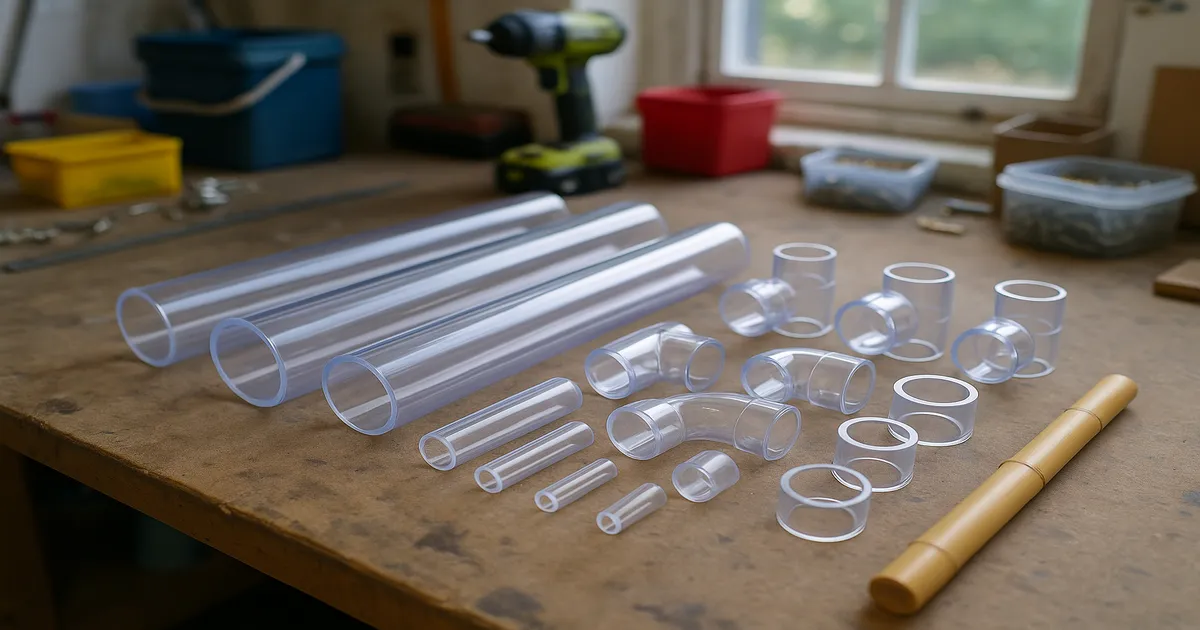
Quick Answer: Yes, you can absolutely buy the correct tubing yourself for most reptile DIY projects. The key is knowing which application you’re building for — misting supply lines, drainage standpipes, rack framing, airline tubing, or waterfall pump lines — because each one has different diameter, material, and pressure requirements. Get those specs right, and hardware stores, aquarium suppliers, and online retailers like McMaster-Carr have everything you need at a fraction of the reptile-brand price.
If you’ve ever wondered whether you can realistically buy the correct tubing to make a reptile misting system, bioactive drainage layer, or rack build yourself, the answer is almost always yes. But “correct” is doing a lot of heavy lifting in that sentence. I’ve watched keepers waste $40 on the wrong fittings because they grabbed whatever looked close enough off the shelf. The specs matter, and they’re not interchangeable. Here’s exactly what to buy, where to get it, and what will go wrong if you skip the details.
Quick Reference: Application to Tubing Spec
| Application | Recommended Tubing | Best Source |
|---|---|---|
| Misting system supply | ¼” OD black PE | Hardware store irrigation aisle |
| High-pressure misting (100+ PSI) | ¼” OD reinforced polyurethane | McMaster-Carr |
| Fogger / airline | 3/16” ID silicone | Aquarium suppliers, Amazon |
| Drainage standpipe | ½”–¾” Schedule 40 PVC | Hardware store plumbing section |
| Drain line to reservoir | ½” ID clear vinyl (food-grade) | Hardware store |
| Waterfall / pond pump | ½”–¾” ID flexible vinyl | Hardware store, pond suppliers |
| Rack frame construction | 1”–1½” Schedule 40 PVC | Hardware store |
| Heat cable protection | ½” split loom | Hardware store, auto parts store |
Can You Realistically Source the Correct Tubing Yourself? (The Five Applications)
Misting System Supply Lines
This is the most common DIY tubing question by a wide margin. Short version: you want ¼” OD black polyethylene tubing from the irrigation aisle. It’s compatible with Mistking, Aquazamp, and most generic misting nozzles right off the shelf. Full specs and sourcing are in the section below.
Drainage Layer Standpipes and Overflow Tubing
Bioactive enclosures need a way to manage water accumulation in the drainage layer. You’re working with Schedule 40 PVC for the standpipe itself and clear food-grade vinyl for the drain line out to a collection reservoir. Sizing depends on your enclosure footprint — covered in detail below.
PVC Pipe for Rack System Framing
Keepers building tub rack systems use PVC pipe as the structural skeleton. Material grade matters here — thin-wall PVC that looks identical on the shelf will flex and fail under load. More on that in the rack section.
Airline Tubing for Foggers and Bubblers
Standard 3/16” ID aquarium airline tubing. Silicone beats vinyl every time — it doesn’t kink, doesn’t leach plasticizers, and holds up in high-humidity environments. Your local fish store stocks it, and it’s cheap.
Flexible Vinyl for Waterfalls and Pond Pumps
Submersible pump lines inside enclosures typically use ½” to ¾” ID flexible vinyl, available in the pond supply section of any hardware store. Verify it’s food-grade or aquarium-safe — not all vinyl is, and the labeling isn’t always obvious.
Misting System Tubing: Exact Specs and Where to Buy
The Industry Standard: Quarter-Inch OD Black PE Tubing
Walk into the irrigation aisle at Home Depot or Lowe’s and look for ¼” drip irrigation supply line. That’s it. Mistking, Aquazamp, and Cli-Mist aren’t using anything exotic — they’re repackaging standard irrigation tubing at a significant markup.
Standard ¼” OD polyethylene drip irrigation tubing is rated for 50–100 PSI, which covers every low-pressure misting pump on the market (typically 40–80 PSI). A 100-foot bulk roll runs $15–$25 and will last you years of builds.
Why Black Tubing Beats Clear
Clear tubing looks cleaner, and I get why people reach for it. Don’t. Light penetration causes algae to bloom inside the lines within weeks — you’ll end up with green slime clogging your nozzles and contaminating your enclosure. Black PE eliminates this entirely. It’s not a preference, it’s just the right call.
Push-to-Connect vs. Barbed Fittings
Use John Guest-style push-to-connect fittings. Barbed fittings need hose clamps to stay sealed at misting pressures, and even then they’re more prone to slow leaks. John Guest fittings are tool-free, reusable, and genuinely reliable — they’re what commercial installations use.
High-Pressure Systems: When You Need Reinforced Tubing
Running a high-pressure ultrafine mist system above 100 PSI? Standard PE tubing isn’t adequate. You need reinforced polyurethane or nylon tubing in the same ¼” OD spec. McMaster-Carr is the best source — they list material specs and pressure ratings clearly, which hardware store packaging typically doesn’t.
The Cost Math
Reptile-branded tubing runs $0.50–$1.00 per foot. Hardware store irrigation tubing is $0.10–$0.20 per foot. On a 50-foot misting run, that’s the difference between $50 and $10. Buy the 100-foot roll, use what you need, store the rest.
Drainage Layer Tubing: Building a Bioactive Standpipe System
How Standpipe Height Controls Your Water Table
This is the single most useful concept in bioactive drainage design. The height you cut your standpipe determines the water table level in your drainage layer. Raise it to retain more moisture; cut it shorter to drain more aggressively. You have complete control over the moisture gradient — which matters a lot for species like dart frogs (80–100% humidity) versus something like a bearded dragon setup where you’d never use this system at all.
Choosing the Right PVC Diameter
For most enclosures up to 4 feet wide, ½” Schedule 40 PVC is adequate. Anything wider should use ¾” — you need the flow capacity to handle peak misting output without overflow backing up into the substrate. Undersizing this is one of the most common and frustrating mistakes in bioactive builds, and it’s a completely avoidable one.
Bulkhead Fittings: Getting a Watertight Floor Penetration
A tank bulkhead fitting creates the sealed penetration through your enclosure floor where the drain line exits. Back it up with a bead of aquarium-safe silicone on the interior side — even a well-installed bulkhead can seep, and the silicone costs almost nothing.
Drain Line to Collection Reservoir
Run ½” ID clear food-grade vinyl tubing from the bulkhead down to a collection container below the enclosure. Clear is fine here because it’s gravity-fed drainage, not a pressurized misting line — and being able to see flow is actually useful for monitoring.
The Mesh Barrier: Don’t Skip This
Put a layer of fiberglass window screen mesh between your drainage layer (hydroballs, LECA, or egg crate) and the substrate above it. Without it, substrate particles migrate down over months and clog the drainage layer completely. It’s a five-minute step that saves a full teardown later. Species like chameleons, green tree pythons, and dart frogs — all heavy drinkers that need serious misting — require this infrastructure working properly for the long haul.
PVC Pipe for Rack Systems and Enclosure Framing
Schedule 40 vs. Thin-Wall PVC: Not Even Close
Schedule 200 and other thin-wall variants look similar on the shelf but will flex and fail under the weight of heavy tubs. Schedule 40 is the minimum for structural rack applications, full stop. The plumbing section stocks it in standard sizes, so you shouldn’t have to hunt.
- 1”–1¼” Schedule 40 PVC — Adequate for lightweight racks holding 6-quart to 32-quart tubs
- 1½”–2” Schedule 40 PVC — Required for heavy-duty builds or anything supporting larger tubs
PVC Cement and Primer: Do It Right
Purple primer first, then cement. The primer chemically prepares the surface so the cement actually fuses the joint rather than just gluing it. Skipping primer produces joints that feel solid initially and fail under sustained load. Thirty extra seconds. Not optional.
Kee Klamp Fittings: The Adjustable Alternative
Kee Klamp fittings are popular in the reptile DIY community because they’re adjustable and require no cement. You can reconfigure the rack later without cutting anything. They’re significantly more expensive than standard PVC fittings, but if you iterate on your setups frequently, they’re worth it. One note: PVC expands and contracts with temperature swings, so on long horizontal runs in rooms with significant temperature variation, leave a small expansion gap or add a slip joint.
Buying the Right Tubing: Mistakes That Will Cost You
Wrong diameter. Push-to-connect fittings are diameter-specific. A ¼” fitting won’t work with ⅜” tubing, and it won’t fail obviously — it’ll just leak slowly or pop off under pressure. Measure before you buy a bulk roll.
Non-food-safe vinyl near water. Some vinyl tubing contains phthalate plasticizers that leach into water, especially warm water. For anything in contact with water animals will drink or that mists directly into an enclosure, use food-grade or NSF-51 certified tubing. If it’s not labeled explicitly, don’t use it.
Routing tubing near heat sources. Standard PE tubing softens around 140°F (60°C). Near basking lamps or heat tape, that threshold is reachable. Switch to silicone tubing for any section running through a hot zone — silicone handles temperatures well above anything you’ll encounter in a reptile enclosure.
Undersizing the drainage standpipe. A ¼” standpipe will overflow during a 3-minute misting cycle in any medium to large enclosure. The cost difference between ¼” and ½” Schedule 40 PVC is negligible; the performance difference during a heavy misting cycle is not.
Skipping the pre-use flush. New PE and vinyl tubing can carry manufacturing residues. Run clean water through any new tubing for 10–15 minutes before connecting it to a live enclosure.
Pro Tips for Getting Your DIY Tubing Build Right
Buy in bulk. Buying 10-foot sections repeatedly costs three to four times more than a 100-foot roll. One bulk roll of ¼” black PE covers most keepers’ needs for years.
Test outside the enclosure first. Run the pump, pressurize the lines, check every connection before the enclosure is planted and stocked. Finding a leaking joint after you’ve installed a bioactive substrate and added animals is genuinely miserable.
Label every tubing run in multi-enclosure setups. Colored electrical tape or cable labels at each nozzle connection. When you’re troubleshooting a clog in a rack with eight enclosures, knowing instantly which line feeds which enclosure is worth the two minutes it takes.
The bend test for silicone tubing. Good silicone bends 180° without kinking. If it kinks at 90°, it’s low quality and will fail at connection points. Do this before you buy — cheap no-name silicone on Amazon fails this test consistently.
Teflon tape on every threaded connection. Two to three wraps of PTFE tape on any threaded fitting — nozzle to barb, barb to manifold — prevents the slow leaks that show up two weeks after you think everything is dialed in.
McMaster-Carr for specialty tubing. For anything outside standard hardware store specs — high-temperature silicone, food-grade vinyl, reinforced polyurethane — McMaster-Carr (mcmaster.com) is the answer. Every listing includes material data sheets with exact temperature ratings, pressure ratings, and chemical compatibility. It’s how you stop guessing.
Frequently Asked Questions
Can I realistically buy the correct tubing to make a reptile misting system myself?
Yes, and it’s straightforward. Standard ¼” OD black polyethylene drip irrigation tubing from the hardware store is directly compatible with Mistking, Aquazamp, and most generic misting nozzles. It’s the same spec those companies use — just significantly cheaper when you buy it yourself from the irrigation aisle.
What diameter tubing do I need for a bioactive enclosure drainage standpipe?
For most enclosures up to 4 feet wide, ½” Schedule 40 PVC works well. For anything wider, go up to ¾” to handle peak misting flow without overflow. Always use Schedule 40 — not thin-wall variants.
Is clear vinyl tubing safe for reptile misting systems?
Food-grade clear vinyl is safe from a toxicity standpoint, but it’s a bad choice for pressurized misting supply lines. Light exposure causes algae to grow inside the tubing within weeks, clogging nozzles and contaminating the enclosure. Use black PE for misting lines; clear food-grade vinyl is fine for gravity-fed drain lines where you actually want to see flow.
What type of PVC should I use to build a reptile rack system?
Schedule 40, minimum. Thin-wall PVC (Schedule 200 and similar) isn’t adequate for the weight loads involved. Use 1”–1¼” for lightweight racks and 1½”–2” for heavy-duty builds. Always use purple primer before PVC cement on permanent joints.
Where can I buy food-safe tubing for a reptile water feature or drainage system?
Hardware stores carry food-grade vinyl in the plumbing section — look for tubing labeled “food-safe” or “NSF-51 certified.” For specialty applications, McMaster-Carr lists food-grade tubing with full material specs. Aquarium suppliers are also a reliable source for tubing already vetted for water contact use.