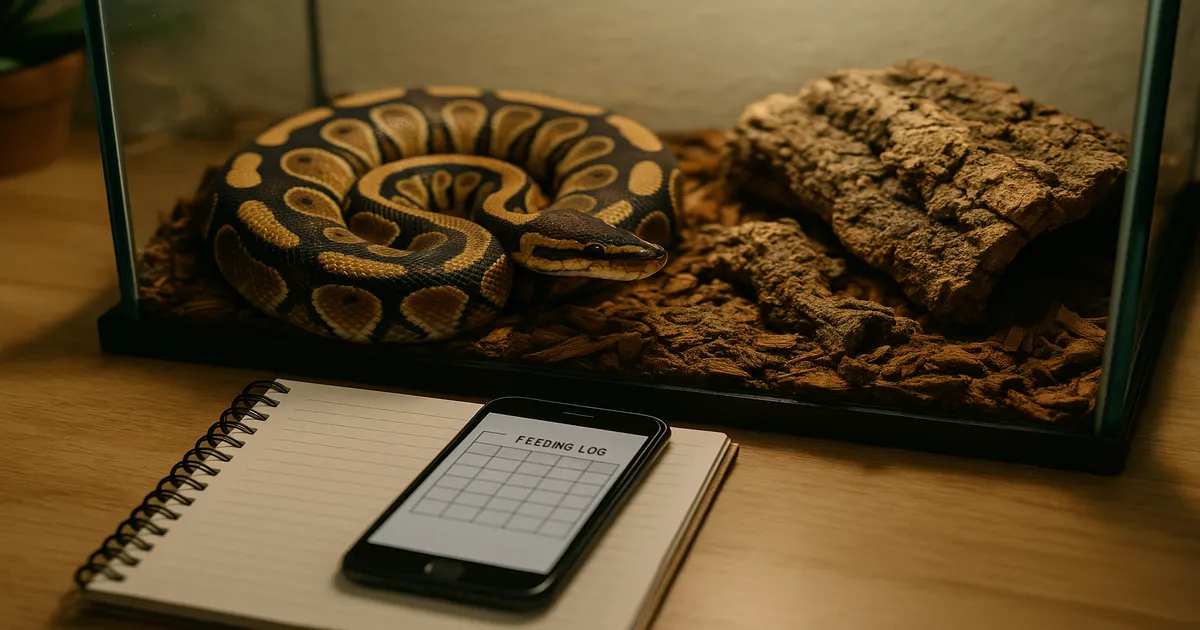
Quick Answer: A snake feeding tracker is any system — app, spreadsheet, or paper log — used to record every feeding attempt, prey details, weight, and refusal. Snakes rarely show obvious signs of health decline until the problem is serious, which makes a feeding log one of the most powerful early-warning tools a keeper has. It’s worth using whether you own one corn snake or run a breeding operation with hundreds of animals.
Keeping a snake feeding tracker isn’t just for breeders or obsessive hobbyists — it’s one of the most practical habits you can build as a keeper, full stop. Snakes are masters at hiding problems. Without a written record, you’re essentially guessing: how long has your ball python been off food? Was that refusal last month pre-shed or something else? Is your hatchling actually growing at a healthy rate? A log answers all of those questions. Your memory won’t.
Why a Snake Feeding Tracker Is Worth the Effort
Snakes Hide Problems — Your Log Won’t
A dog that’s off its food is obvious within a day or two. A snake can lose significant body condition over weeks or months before you notice anything visually. By the time you’re seeing a sunken spine or loose skin folds, the problem has been building for a while. A feeding log catches the trend early — three consecutive refusals in a reliable feeder is a red flag worth acting on, even if the snake looks fine.
Seasonal Fasting and Breeding Cycles Require Historical Data
Ball pythons are the classic example. They can fast voluntarily for three to six months, typically between October and February, mirroring the dry season in their West African range. Without a multi-year log, it’s nearly impossible to distinguish “this is just his annual fast” from “something is actually wrong.” Female ball pythons also typically stop feeding four to six weeks before ovulation — a pattern you’ll only recognize if you’ve been tracking it consistently.
Prey-to-Body-Weight Ratios Matter More Than Eyeballing
Experienced keepers and herpetologists generally aim for prey items weighing 10–15% of the snake’s body weight per feeding. That’s not something you can eyeball reliably. You need a scale and a log. Feeding frequency varies by species and age:
- Hatchlings and juveniles: every 5–7 days
- Most adult snakes: every 10–14 days
- Large constrictors (reticulated pythons, adult Burmese): every 3–4 weeks
What to Record in Your Snake Feeding Log
A vague entry like “ate” is nearly useless. A good log entry looks more like: “Offered 1× medium frozen-thawed rat, ~65g, accepted immediately in feeding tub, snake pre-feed weight 1,420g.” That’s actionable data. Here’s what every entry should include:
- Date and time of the feeding attempt
- Prey type and size (e.g., medium rat, adult mouse, small rabbit)
- Prey weight in grams
- Prey state: live, frozen-thawed, or fresh-killed
- Acceptance: yes, no, or partial
- Any regurgitation and time elapsed since feeding
- Snake’s pre-feed weight
- Notes: behavior, feeding method, anything unusual
Log Refusals — Not Just Meals
Every refusal is a data point. If you only log successful feedings, you’re missing half the picture. A snake that ate reliably every 12 days for six months and then refused twice in a row — that pattern only shows up if you logged the refusals. Three consecutive refusals in a reliable feeder warrants a husbandry check and possibly a vet call.
Track Shed Cycles Alongside Feeding Attempts
Most snakes refuse food during the blue phase — that opaque, milky-eyed stage that happens five to ten days before a shed. If you’re not tracking sheds, these refusals look like mysterious feeding problems. They’re not. Log your shed dates and you’ll find that most “mystery” refusals line up exactly with the pre-shed window. Average shed cycles run four to six weeks for juveniles and six to eight weeks for adults, so this comes up regularly enough to matter.
Best Snake Feeding Tracker Tools: Apps, Spreadsheets, and Paper Logs
Reptile Apps Worth Using
A few dedicated apps do this well. Reptile Manager and ReptiTrack are solid choices for hobbyists — both let you log feedings, weights, sheds, and vet visits with timestamps and reminders. Herp Helper is worth a look too. MorphMarket has been building out care tools as well, which makes sense given how many breeders already use their platform.
The feature I’d prioritize: escalating reminders. Set one for the scheduled feeding date, and a second alert if the animal hasn’t been logged as fed within three days of that target. In any collection larger than a handful of animals, things get skipped.
Spreadsheets for Small Collections
Google Sheets works really well for collections of five to twenty animals. One tab per snake, with a summary dashboard showing each animal’s name, last feeding date, and days since last meal. It’s not as slick as a dedicated app, but it’s free, shareable, and easy to search when you want historical data. Honestly, for a small collection I often find the spreadsheet easier to dig through than an app.
Paper Logs and Rack Labels
There’s nothing wrong with paper. A dedicated notebook with one section per animal, or index cards kept near each enclosure, works perfectly well. For rack systems, a laminated card on each tub with the last feeding date in dry-erase marker gives you a quick visual check — you can see at a glance which tubs are overdue without opening anything.
Large-Scale Breeder Solutions
Once you’re managing 100+ animals, dedicated software like ARIS (Animal Record Information System) becomes worth the investment. Barcode and QR code scanning, integrated weight tracking, and vet record exports are all features that pay for themselves in time saved. A small number of operations are experimenting with RFID microchip readers at feeding stations that automatically log when a chipped animal feeds — still niche, but it’s coming.
Equipment You Actually Need
A Reliable Digital Scale
You need a scale accurate to 1 gram — kitchen or postal scales in the 0.1g–5kg range work well. Always weigh pre-feeding on an empty stomach. A snake that just ate a 100g rat will give you a very different number than one that’s been fasted for 48 hours, and inconsistent weigh-in timing makes your weight trend data meaningless.
Feeding Tongs and a Separate Feeding Tub
12–16 inch stainless steel feeding tongs are non-negotiable. Never hand-feed. A separate feeding tub is worth using too — it reduces substrate ingestion risk and conditions snakes to a feeding response outside their home enclosure, which genuinely helps with defensive or reluctant feeders.
One tip I’ve found useful: photograph prey items next to a ruler before feeding. It’s a quick visual size record that’s often more informative than weight alone, especially when you’re tracking prey size progression over time.
Husbandry Baselines That Directly Affect Your Feeding Data
A feeding log showing repeated refusals is only useful if you’re also tracking husbandry conditions. Suboptimal temperatures are the single most common cause of feeding refusal in captive snakes — and it’s entirely preventable.
Temperature Requirements by Species
| Species | Warm Side | Cool Side |
|---|---|---|
| Ball python | 88–92°F (31–33°C) | 76–80°F (24–27°C) |
| Corn snake | 85–88°F (29–31°C) | 72–75°F (22–24°C) |
| Boa constrictor | 88–92°F (31–33°C) | 78–82°F (26–28°C) |
| Burmese python | 90–95°F (32–35°C) | 80–85°F (27–29°C) |
| King/milk snake | 85–88°F (29–31°C) | 72–76°F (22–24°C) |
Temperatures below 80°F (27°C) on the warm side will reliably cause feeding refusal and digestion failure in most tropical species. If your log is showing refusals and you haven’t verified your temps with a quality thermostat recently, start there. (Herpstat 1)
Humidity Ranges
- Ball pythons: 60–80% RH (higher during shed)
- Corn snakes: 40–60% RH
- Boa constrictors: 60–70% RH
- Hognose snakes: 40–60% RH
Chronic low humidity causes dysecdysis, dehydration, and feeding refusal — and these problems compound each other fast.
Common Snake Feeding Tracker Mistakes
Only Logging Successful Feedings
This is the biggest one. If you skip refusals, your log looks like a highlight reel and you’ll miss the patterns that matter. Other common errors: inconsistent weigh-in timing (always pre-feeding, never post-meal), vague notes (“ate” tells you nothing), and failing to track prey size progression. Prey diameter shouldn’t exceed 1.0–1.5× the snake’s widest body diameter, and that threshold changes as the snake grows.
Husbandry Mistakes That Show Up in Your Log
Overfeeding adult ball pythons is surprisingly common. Feeding every seven days instead of every ten to fourteen leads to obesity and fatty liver disease over time. Handling within 48–72 hours of a meal causes regurgitation — stressful, damaging, and potentially fatal if it becomes a pattern.
Species-Specific Pitfalls
Ball python winter fasts get misread as illness constantly — exactly why multi-year logs matter. Hognose snakes often need toad-scented prey initially, and documenting every prey type you’ve tried is the only way to track what’s actually working. For large pythons, log your feeding assistant — these animals should never be fed solo, and having that documented is both a safety and liability record.
Pro Tips for Getting More Out of Your Tracker
Color-code your entries. Green for accepted meals, red for refusals, yellow for partial feeds or regurgitations. In a collection of 50+ snakes, this makes problem animals visible at a glance.
Log the time of day. This sounds like overkill until you realize your ball python has refused at 2 PM three times in a row and accepted every time you offered at 10 PM. Nocturnal species have real time-of-day preferences that only show up if you’re logging time.
Log your prey source. Switching frozen rodent brands mid-collection is a surprisingly common cause of simultaneous refusals across multiple animals. If it happened once, you want to be able to trace it.
Build a problem-feeder sub-log. Chronic problem feeders deserve their own dedicated section. Every intervention you’ve tried — prey type changes, temperature adjustments, braining prey, adding bedding from a prey colony — should be documented. This prevents you from repeating failed strategies and eventually helps you identify what actually worked.
Share records with your exotic vet. Some vets now accept digital feeding log exports as part of a patient’s medical record. A vet who can see 18 months of feeding data and weight trends is going to give you a much more useful consultation than one working from “I think he stopped eating about two months ago, maybe three.”
Frequently Asked Questions About Snake Feeding Trackers
How do I know if my snake is eating enough?
Track prey weight against body weight — most snakes do well eating prey items that are 10–15% of their body weight per feeding. If your snake is maintaining or slowly gaining weight over months and eating on schedule, it’s eating enough. A scale and a log are the only reliable way to confirm this over time.
My ball python hasn’t eaten in three months — is that normal?
It can be, especially between October and February. Ball pythons are well-known for voluntary fasts lasting three to six months, often tied to seasonal cycles or breeding behavior. Whether it’s normal for your snake depends on its individual history — which is exactly why multi-year feeding logs matter. If this is a first-year animal, or the fast is accompanied by weight loss or other symptoms, see an exotic vet.
How often should I feed my corn snake?
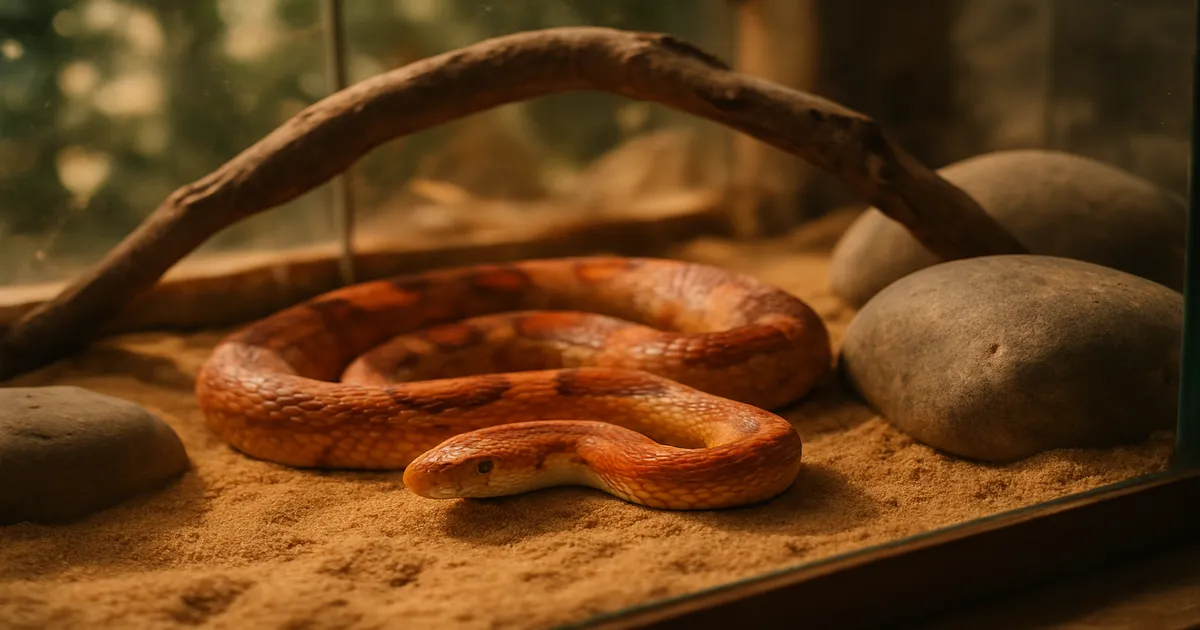
Juveniles should eat every 5–7 days; adults do well on every 10–14 days. Corn snakes are generally reliable feeders, so any refusal from an adult that normally eats on schedule is worth paying attention to. Track prey size progression carefully — they grow quickly and need regular prey size increases.
What should I write in a snake feeding log?
At minimum: date and time of the feeding attempt, prey type and size, prey weight in grams, whether it was live/frozen-thawed/fresh-killed, whether the snake accepted or refused, and the snake’s pre-feed weight. Add notes on behavior and anything unusual. A refusal is just as important to log as a successful meal.
What’s the best app for tracking snake feedings?
Reptile Manager and ReptiTrack are the most-used dedicated options and both handle feedings, weights, sheds, and reminders well. For small collections, a Google Sheets setup with one tab per animal works just as well and costs nothing. Large-scale breeders often end up with custom database solutions or software like ARIS. The best tracker is the one you’ll actually use consistently — pick the format that fits how you work.