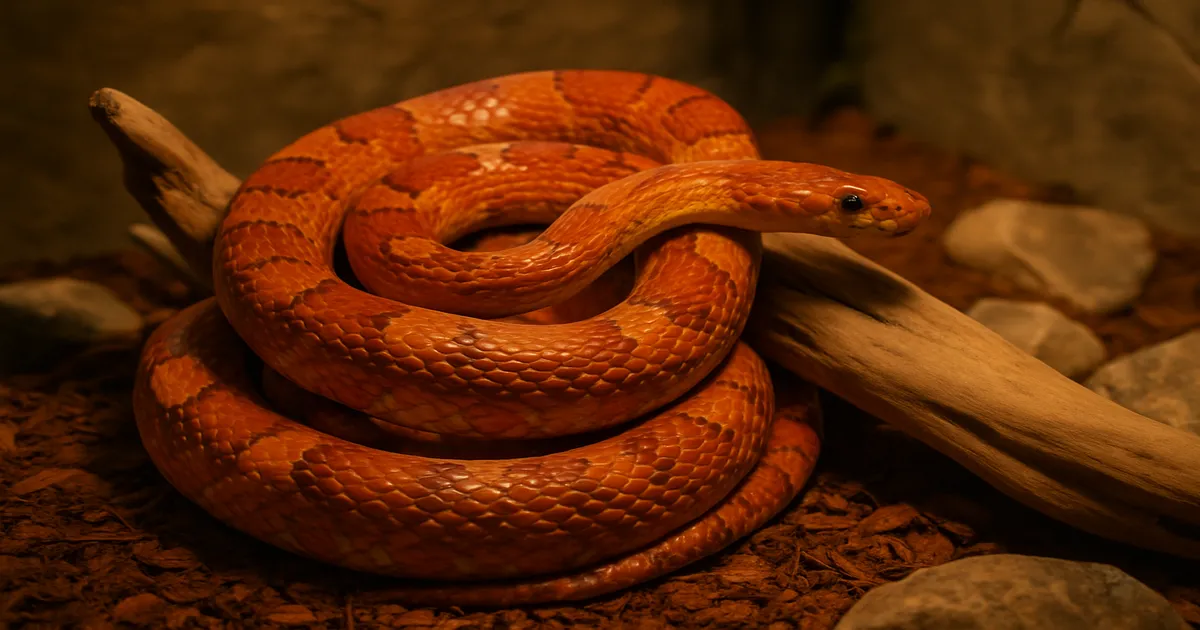
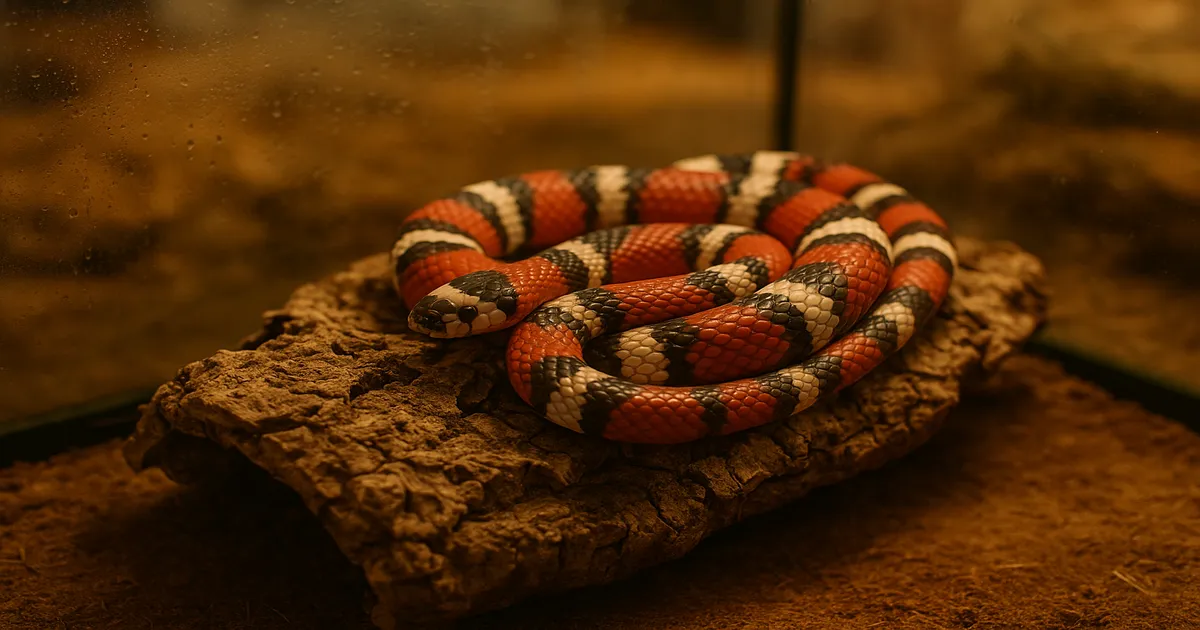
Quick Answer: To help a milk snake shed successfully, keep ambient humidity at 40–60% normally and raise it to 60–70% during the blue phase. Always provide a humid hide packed with damp sphagnum moss, and make sure the enclosure has rough surfaces like cork bark for the snake to rub against. Most shedding problems trace back to husbandry gaps — fix those and your snake will handle the rest.
Helping a milk snake shed isn’t complicated, but it does require getting a few things right before the shed cycle starts. The good news is that once you know how to help a milk snake shed by setting up the enclosure correctly, incomplete sheds become rare. This guide covers everything from the biology of ecdysis to rescuing a stuck shed — so whether you’re troubleshooting right now or trying to prevent problems down the road, you’re in the right place.
Understanding the Milk Snake Shedding Cycle
What Is Ecdysis and Why Do Snakes Shed?
Shedding — technically called ecdysis — is how snakes accommodate growth. Thyroid hormones signal the outer skin layer to separate, and a thin film of lymphatic fluid forms between the old and new skin. That fluid is what causes the familiar cloudy, bluish appearance. A healthy snake sheds in one complete piece, including the transparent eye caps. If it doesn’t, something in the environment is off.
How Often Do Milk Snakes Shed?
Juveniles shed every 3–5 weeks because they’re growing fast. Adults slow down to every 6–12 weeks. The full cycle — from the onset of the blue phase to the actual shed — typically runs 7–14 days.
The Blue Phase: What to Expect
When your milk snake goes blue, its eyes will look milky or grayish and its colors will appear dull and washed out. The snake will likely hide more, eat less, and be more defensive than usual. That’s all normal. Don’t handle it more than necessary, and don’t try to feed it — you’ll just stress it out and risk a bite from a snake that genuinely can’t see you well.
Post-Blue Phase: Why Clear Eyes Don’t Mean the Shed Is Done
Here’s something a lot of beginners get wrong: after the blue phase, the eyes clear up and the snake looks normal again — but the shed hasn’t happened yet. This is the post-blue phase, and the actual shed typically occurs 3–7 days after the eyes clear. Milk snakes often shed at night, so don’t be surprised if you wake up one morning to find a skin in the enclosure without ever witnessing the event.
Humidity: The Most Critical Factor for a Successful Shed
Baseline vs. Shed-Cycle Humidity Targets
The specific numbers matter:
- Baseline (non-shed): 40–60% relative humidity (RH)
- During the blue phase: 60–70% RH
- Inside the humid hide: 80–90% RH
What you want to avoid is keeping the entire enclosure at 80%+ on a sustained basis. Chronically high ambient humidity leads to scale rot, respiratory infections, and bacterial skin issues. The humid hide lets you give the snake access to high moisture exactly where it needs it without soaking the whole enclosure.
How to Measure Humidity Accurately
Ditch the analog dial hygrometers — they’re notoriously inaccurate and drift over time. A digital hygrometer placed at mid-level in the enclosure will give you reliable readings. Govee, Inkbird, and Acurite all make solid, inexpensive options.
Seasonal Humidity Drops and How to Compensate
In winter, home heating systems pull moisture out of the air fast. Indoor humidity that sat at 50% in October can drop to 25–30% by January, and your snake’s enclosure will feel it. I’ve seen keepers with otherwise solid setups deal with a string of bad sheds every winter without ever connecting the dots. The fix is simple: cover more of the screen lid in fall, increase misting frequency, and keep a closer eye on your hygrometer during heating season.
Setting Up the Perfect Humid Hide
Why a Humid Hide Is Non-Negotiable
In the wild, milk snakes seek out moist microhabitats when they’re about to shed — under damp logs, in burrows, near water. A humid hide replicates that. Without one, your snake has no way to access the moisture it needs, and you’ll end up with stuck skin.
Choosing the Right Hide Box
Any enclosed hide with a single entry hole works. The Exo Terra Snake Cave and Reptile Basics hide boxes are popular choices. A DIY plastic container with a hole cut in the side works just as well and costs almost nothing.
Sphagnum Moss vs. Other Substrates Inside the Hide
Long-fiber sphagnum moss is the right call. It holds moisture for days without getting waterlogged, has mild antimicrobial properties, and closely mimics the damp microhabitats milk snakes naturally seek out. Paper towels work in a pinch but dry out quickly and need constant replacement.
Moisture level matters: squeeze a handful of moss before putting it in the hide. You should get only a few drops — not a stream. If it’s dripping, it’s too wet.
Where to Place the Humid Hide
Put it on the warm side. The combination of warmth and moisture is what makes it useful. A damp hide on the cool side is just a damp box.
The shed box technique: Instead of keeping a permanent humid hide, some keepers introduce a dedicated shed box — a plastic deli cup or small container filled with damp sphagnum — at the first sign of blue phase, then remove it after the shed. This keeps the main enclosure from running too humid year-round while still giving the snake exactly what it needs on demand.
Enclosure Setup That Supports Healthy Shedding
Best Substrates for Humidity Retention
Ranked by how well they hold moisture:
- Cypress mulch + coco coir blend (50/50) — best overall
- Bioactive substrate blends — excellent long-term if set up correctly
- Cypress mulch alone — very good
- Aspen shavings — dries out fast; needs more frequent misting and a solid humid hide to compensate
Aim for 3–6 inches of depth. Shallow substrate dries out quickly and doesn’t let the snake burrow into more humid lower layers.
Fixing the Screen Lid Problem
A full, unmodified screen lid will drop your enclosure humidity to 20–30% RH. That’s far too low, and it’s probably the most common structural reason for bad sheds. Cover 50–75% of the screen with a sheet of acrylic, glass, or even aluminum foil. It’s not pretty, but it works. PVC and tub-style enclosures don’t have this problem, which is one reason serious keepers tend to prefer them.
Rough Surfaces: The Overlooked Shedding Aid
Humidity gets all the attention, but rough surfaces are equally important. Snakes initiate a shed by rubbing their snout against something abrasive to loosen the skin around the head, then push forward. Without rough surfaces, even a well-humidified enclosure will produce incomplete sheds. Cork bark, natural stone, and rough artificial rock formations all work. Cork bark tubes are especially useful — they double as hides and hold a little moisture on their own.
Water Dish Size and Placement During Shed
The water dish needs to be large enough for your snake to soak in if it wants to. A small bottle cap isn’t going to cut it. Normally, keep it on the cool side. During the blue phase, some keepers move it to the warm side to boost ambient humidity through evaporation — it’s a simple trick that actually helps. Worth knowing: flip a large, flat-bottomed dish upside down and the snake will often crawl under it, using the cool, slightly humid microclimate to help trigger the shed.
How to Help a Milk Snake With a Stuck Shed
Identifying Retained Shed
Check your snake carefully after every shed. Look for patches of dull, papery skin still attached — especially around the tail, the vent area, and the head. Also check the eyes. If they still look cloudy or sunken after the snake has otherwise shed, you may have retained eye caps.
The Lukewarm Soak Method
Place the snake in a cloth pillowcase — not a plastic bag, snakes can suffocate — tie the top loosely, and soak it in lukewarm water at 85–88°F (29–31°C) for 20–30 minutes. The retained skin will usually loosen significantly. After the soak, gently handle the snake and let the loosened skin slide off with light friction from your hands.
Safely Removing Stuck Shed Skin
Don’t pull. If the shed isn’t ready to come off, forcing it risks tearing the new skin underneath, which can cause wounds and scarring. Soak first, wait, and only assist when the skin is clearly loose. If a section won’t budge after a proper soak, soak again rather than pulling harder.
Dealing With Retained Eye Caps
Retained spectacles are the most serious form of dysecdysis. Multiple layers of stacked retained eye caps can cause permanent eye damage, so don’t ignore them. After every shed, verify that both eye caps came off with the skin.
If they didn’t: soak the snake first, then use a damp cotton swab to very gently roll along the edge of the retained cap. The goal is to catch the edge and lift it — not to scrape. Never use dry tweezers. If you’re not confident, see a reptile vet. This is one situation where professional help is genuinely worth it.
Common Mistakes That Cause Shedding Problems
Most shed problems are preventable. Here’s what to watch for:
- No humid hide, or a dry one. Sphagnum dries out even inside a closed hide — check it every few days.
- Full screen lid with no modification. Cover at least half of it.
- Aspen bedding with no compensation. If you’re using aspen, you need a really good humid hide and more frequent misting.
- Misting the snake directly. Mist the substrate and enclosure walls, not the animal.
- Handling during the blue phase. The snake can’t see well, it’s stressed, and you’re more likely to get bitten. Just leave it alone.
- Trying to feed during shed. Most milk snakes won’t eat anyway. Wait until 3–5 days after a successful shed.
- Removing the water dish. Some keepers do this when snakes stop eating. Don’t — your snake may need to soak.
- Ignoring retained eye caps. Always check after every shed. It won’t sort itself out.
Pro Tips for Flawless Sheds Every Time
Keep a shed log. A simple notebook or spreadsheet — date, quality (complete or incomplete), enclosure conditions — is worth more than any single tip. After a few months, patterns emerge. If your snake consistently has bad sheds in January and February, you know it’s a winter humidity problem.
Temperature matters too. Warm side ambient should run 80–85°F (27–29°C), with a warm hide or basking area at 85–88°F (29–31°C) and the cool side at 70–75°F (21–24°C). Temperatures above 90°F (32°C) cause dehydration and dysecdysis. Milk snakes aren’t desert animals, and overheating is an underappreciated cause of bad sheds. A reliable thermostat keeps temps consistent without babysitting. (Herpstat 1)
Know your subspecies. Honduran milk snakes reach 4–5 feet and need larger water dishes and more substrate volume to maintain stable humidity. Scarlet kingsnakes max out around 20 inches — their small enclosures have less thermal mass and dry out faster than you’d expect, so check the hygrometer more frequently and don’t let the humid hide go dry.
Frequently Asked Questions
How long does it take a milk snake to shed its skin?
The full cycle runs 7–14 days from the onset of the blue phase to the actual shed. The eyes clear up 3–7 days before the shed happens, which often confuses new keepers into thinking the process is over when it isn’t.
Why is my milk snake’s shed coming off in pieces?
Fragmented sheds are almost always a humidity problem — ambient humidity too low, no humid hide, or substrate that isn’t retaining moisture. Check your hygrometer, refresh the sphagnum in your humid hide, and cover more of the screen lid if you’re using one.
Should I soak my milk snake to help it shed?
If your snake has a good humid hide and is in the blue phase, soaking usually isn’t necessary. But if it’s struggling or has retained shed, a 20–30 minute soak in lukewarm water at 85–88°F (29–31°C) inside a cloth bag works well. Don’t use a plastic bag and don’t use cold water.
How do I remove retained eye caps from a milk snake?
Soak the snake first, then use a damp cotton swab to gently roll along the edge of the retained cap. Never pull with dry tweezers — the risk of eye damage is real. If the cap won’t budge or you’re unsure, a reptile vet can remove it safely. Don’t let retained eye caps stack up across multiple shed cycles.
How do I know when my milk snake is about to shed?
Cloudy, bluish eyes and a dull, washed-out appearance to the scales are the clearest signs. The snake may also become more reclusive, refuse food, and be more defensive than usual. Once you see those signs, start raising humidity and make sure the humid hide is properly moist.