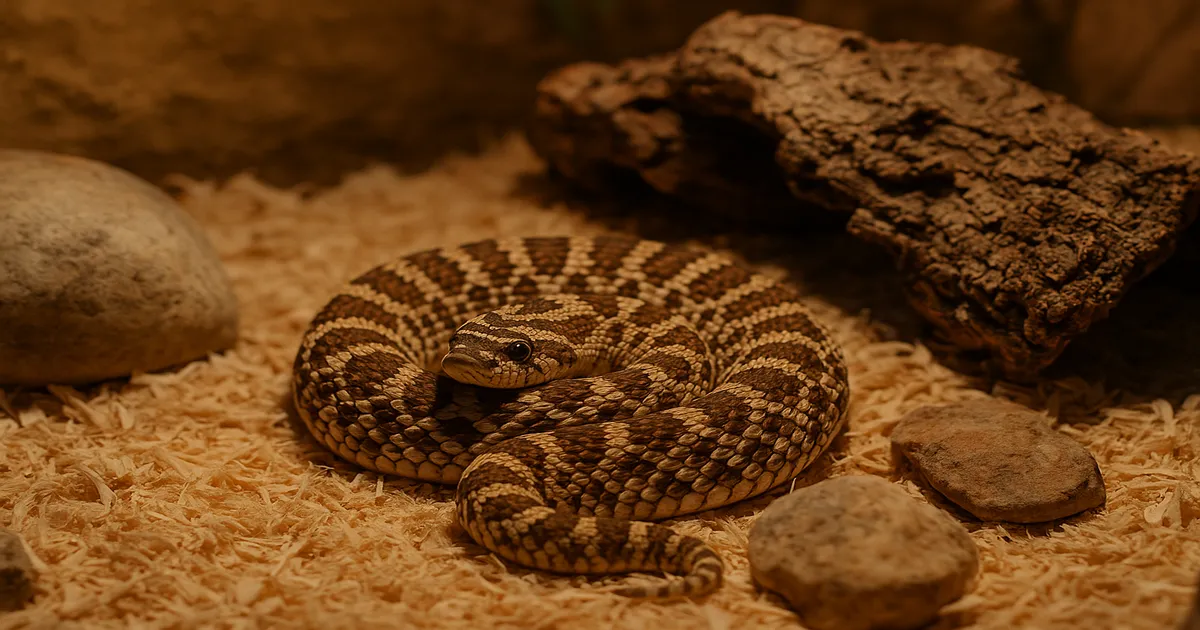
Quick Answer: The best substrate for hognose snakes is aspen shavings at a minimum depth of 4–6 inches — it holds burrow structure well, stays dry, and is easy to spot clean. If you want a naturalistic setup, a 60/40 mix of additive-free topsoil and play sand is an excellent alternative that also supports bioactive builds.
Figuring out what is the best substrate for hognose snakes isn’t just an aesthetic choice — it’s one of the most consequential decisions you’ll make for this animal’s health. Hognoses are obligate burrowers from the semi-arid grasslands of the Great Plains, and their entire behavioral repertoire is built around digging. Get the substrate wrong and you’ll end up with a stressed, glass-surfing snake that refuses to eat. Get it right and you’ll rarely see your hognose at all — which, honestly, is a sign things are going well.
Understanding Hognose Snake Natural Habitat
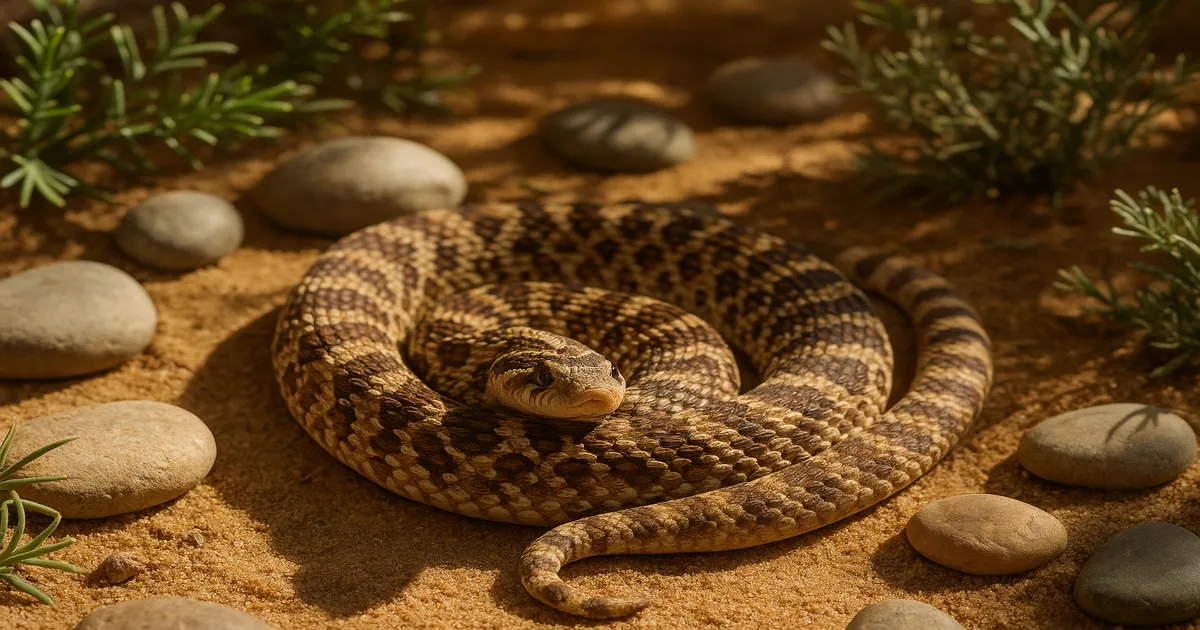
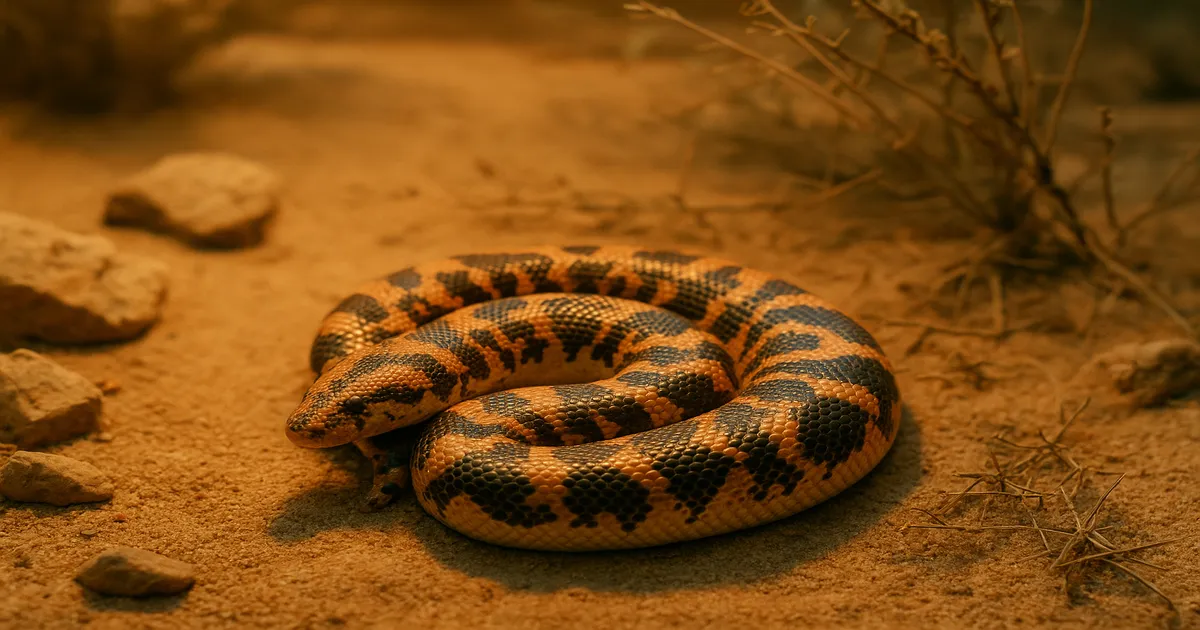
The western hognose (Heterodon nasicus) ranges from southern Canada down through the central United States into northern Mexico. Their home turf is loose, sandy, well-drained soil — open grasslands, prairies, and scrublands where the ground is dry and easy to excavate. That’s the single most useful piece of natural history for setting up a captive enclosure.
That upturned rostral scale isn’t just what makes hognoses look goofy and charming — it’s a specialized digging tool. In the wild, they use it to excavate burrows for thermoregulation, escape predators, and dig prey (toads, lizards, eggs) right out of the ground. Burrowing isn’t optional enrichment you can skip. It’s as fundamental to a hognose as swimming is to a water snake.
When a hognose can’t burrow — because the substrate is too shallow or too dense — you’ll see it. Persistent glass surfing, feeding refusals, and general failure to settle are all classic signs. I’ve seen keepers spend weeks troubleshooting temperatures and feeding schedules when the real fix was just adding four more inches of aspen.
Loose, dry, sandy soil is the template. Whatever substrate you choose should hold a burrow without collapsing, stay completely dry under normal conditions, and keep ambient humidity in the 30–50% range that mimics the semi-arid environment these snakes evolved in.
Substrate Requirements: Depth, Texture, and Moisture
How Deep Does Hognose Snake Substrate Need to Be?
Four inches is the absolute floor. Six inches is where you want to be for a standard adult setup, and 8 inches or more is ideal for enriched or bioactive enclosures. The single most common mistake in hognose keeping — more than any other — is providing 1–2 inches of aspen and calling it a day. That depth doesn’t allow meaningful burrowing, and the snake knows it.
Humidity: Why Moisture Is the Enemy
Target ambient humidity of 30–50%. Consistently above 60% and you’re setting your snake up for respiratory infections and scale rot. Hognoses are genuinely sensitive to sustained dampness in a way that surprises keepers coming from ball python backgrounds.
The correct way to assist shedding is a humid hide — one enclosed hide lined with slightly moistened sphagnum moss — not misting the whole enclosure. Misting wets the substrate, spikes humidity, and can cause aspen to mold within days. Don’t do it.
Substrate and Temperature Gradients
Here’s something that often gets overlooked: hognoses thermoregulate underground, not just on the surface. Your thermal gradient needs to extend through the substrate depth, not just exist as surface temperatures. Aim for a warm-side surface of 88–90°F (31–32°C) and a cool side of 72–75°F (22–24°C). Use a temperature gun for surface readings and a digital probe thermometer buried at depth on both ends to verify you’ve got a usable gradient all the way down.
Best Substrates for Hognose Snakes: Ranked and Reviewed
Aspen Shavings: The Gold Standard
Aspen is the top recommendation for most hognose keepers, and for good reason. It holds burrow structure well, stays completely dry, and is easy to spot clean — waste is visible and you can remove it without disturbing the whole setup. Zoo Med Aspen Snake Bedding and Kaytee Aspen Bedding are both reliable options. Sift cheaper brands before use, because dusty aspen can irritate eyes and airways.
The main risks: aspen molds fast if it gets wet (a tipped water dish can ruin a section overnight), and hognoses can accidentally ingest it during enthusiastic feeding strikes. Use a heavy ceramic water crock that won’t tip, and either feed in a separate container or place prey on a paper towel inside the enclosure.
Topsoil and Play Sand Mix: Best for Naturalistic Setups
A mix of 60–70% additive-free organic topsoil and 30–40% play sand is the closest thing to what a hognose encounters in the wild. It holds burrow tunnels arguably better than aspen and is the foundation for a successful bioactive setup.
Use plain, unfertilized topsoil — Timberline is a reliable brand. Avoid anything with perlite, vermiculite, or fertilizer additives; Miracle-Gro products are a hard no. For sand, Quikrete Play Sand is a solid choice — washed, fine-grained, and widely available. Bake the mix at 200°F (93°C) for 30 minutes before use rather than treating it with bleach, which leaves chemical residues.
The tradeoffs: heavier to set up, harder to spot clean, and requires more active management in non-bioactive setups.
Excavator Clay: For Permanent Burrow Networks
Zoo Med Excavator Clay is genuinely cool — pack it moist, shape burrow tunnels, let it dry completely before introducing the snake, and those tunnels stay open permanently. It’s excellent for display enclosures and provides a kind of structural enrichment that loose substrates can’t match.
That said, it’s not practical as a standalone substrate for most keepers. Spot cleaning is difficult, full replacement is a project, and it’s expensive to fill a large enclosure. Use it as a base layer beneath a looser substrate, or save it for dedicated display builds.
Paper-Based Substrates: Quarantine and Neonates Only
Newspaper, paper towels, butcher paper — these are the right call for quarantine and medical observation, not permanent setups. They make monitoring waste and health easy, which is exactly what you need with a new or sick animal. But they don’t support burrowing at all, so they shouldn’t be a long-term solution for any healthy adult hognose.
Substrates to Avoid for Hognose Snakes
Coconut fiber (coco coir): Fine for ball pythons, wrong for hognoses. It retains moisture, raises ambient humidity, and doesn’t hold burrow structure well when dry. Keepers transitioning from tropical species often reach for it out of habit — resist that impulse.
Reptile carpet and artificial turf: There’s no version of this that works. Reptile carpet prevents all burrowing, harbors bacteria in its fibers, and causes rostral abrasions as the snake pushes against it trying to dig. It doesn’t matter how easy it is to clean — it fails at the most basic requirement.
Calcium sand and Vita-Sand: Despite the marketing, calcium sand doesn’t hold burrow structure and carries a real impaction risk if ingested. It’s designed for lizards and doesn’t belong in a hognose setup.
Cedar and pine shavings: Cedar and pine contain phenols that cause respiratory and neurological damage in reptiles. This isn’t a “it depends on the species” situation — just never use them. Always verify the wood species before buying any shaving product.
How to Set Up Hognose Snake Substrate Correctly
Choosing the Right Enclosure
Floor space and substrate depth matter far more than enclosure height for this terrestrial species. Adult females (which can reach 24–36 inches) need at minimum a 40-gallon breeder (36”×18”×16”) — that footprint gives you room to build a proper thermal gradient with deep substrate on both ends. Adult males are smaller and can work in a 20-gallon long (30”×12”×12”), though bigger is always fine.
Step-by-Step Substrate Setup
- Clean and dry the enclosure thoroughly before adding substrate.
- Add substrate to at least 6 inches (15 cm) deep — measure it, don’t eyeball it.
- Lightly pack the substrate by pressing down with your hand or a flat board. It should hold a compressed shape without being rock-hard. Loose, fluffy substrate collapses on the snake and discourages burrowing.
- Place hides on the warm and cool ends.
- Add a heavy ceramic water crock on the cool side.
- Install and verify heating equipment with a thermostat before introducing the snake. A quality thermostat like the Herpstat 1 keeps belly heat consistent without cooking the substrate.
Bury a Hide for Faster Acclimation
One of the better tips for new arrivals: bury a plastic hide or cork tube at the base of the substrate and cover it with 2–3 inches of material. The snake discovers a pre-formed burrow and settles in dramatically faster than if left to excavate from scratch. It takes two minutes and makes a real difference in acclimation stress.
Maintenance and Replacement
Spot clean every few days — remove waste and any substrate that’s clumped or discolored. Aspen should be fully replaced every 2–3 months under normal conditions, sooner if any moisture contamination occurs. For a topsoil/sand mix in a non-bioactive setup, watch for compaction and odor as your replacement cues.
Quick moisture check: lay a paper towel flat on the substrate surface overnight. If it feels damp in the morning, you’ve got a humidity problem that needs addressing before it becomes a health issue.
Common Substrate Mistakes (and How to Avoid Them)
Substrate that’s too shallow. Already mentioned this, but it bears repeating because it’s so prevalent. One to two inches of aspen is the most common hognose husbandry error by a wide margin. It looks like enough. It isn’t.
Misting instead of using a humid hide. Hognoses don’t need ambient misting — ever. A small enclosed hide with damp sphagnum moss provides localized humidity where the snake chooses to use it, without raising overall enclosure humidity or wetting the substrate.
Feeding over loose substrate without precautions. Hognoses are eager feeders with a strike response that doesn’t always discriminate between prey and substrate. Accidental ingestion is a real risk with aspen or sand mixes. Use a separate feeding container, or place prey on a paper towel before offering it.
Grabbing the coco coir out of habit. If you keep multiple species, it’s easy to reach for the same substrate bag. Don’t. Coco coir that works perfectly for your ball python will hold too much moisture for your hognose.
Pro Tips for Substrate and Enclosure Success
Use burrowing location as a behavioral thermometer. Watch where your hognose consistently burrows. Always on the cool side? Your warm side is probably too hot. Never leaves the warm end? The cool side might be too cold. Burrowing location tells you things a thermometer can’t.
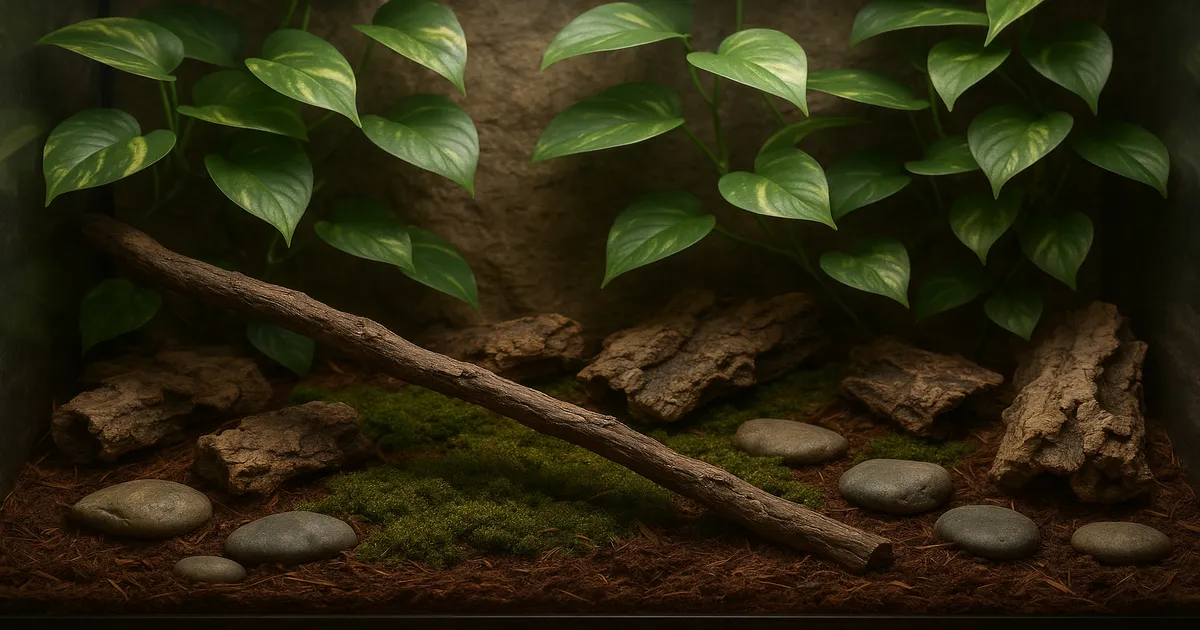
Bioactive setups work well — if you keep them dry. A bioactive hognose enclosure, done right, is genuinely excellent. Use a drainage layer at the base, 6–8 inches of topsoil/sand mix, and springtails and isopods as a cleanup crew. The key is keeping the mix dry enough — bioactive doesn’t mean damp, and humidity management is still critical for this species.
Quarantine first, deep substrate second. Any new hognose should spend 30–60 days on paper towels before moving to a permanent deep-substrate setup. This lets you monitor fecal output, check for parasites, and catch health issues while they’re still easy to see. Once you’ve got six inches of aspen in there, monitoring becomes much harder.
Frequently Asked Questions
How deep should substrate be for a hognose snake?
A minimum of 4 inches (10 cm), with 6 inches (15 cm) being the better target for adult setups. Bioactive or enriched enclosures can go 8 inches or deeper. Shallow substrate is one of the most common husbandry errors — it prevents burrowing, which is a core behavioral need for this species.
Can I use coconut fiber as substrate for a hognose snake?
It’s not a good primary substrate. Coco coir retains too much moisture, pushes ambient humidity above the 30–50% range hognoses need, and increases the risk of respiratory infections and scale rot. It can be blended into a topsoil mix in small amounts, but it shouldn’t be the main substrate.
What humidity level does a hognose snake need?
Western hognose snakes need ambient humidity between 30–50%. Sustained humidity above 60% significantly increases the risk of respiratory infections and scale rot. Don’t mist the enclosure — use a humid hide with damp sphagnum moss during shed cycles to provide localized moisture without affecting overall humidity.
Is aspen bedding safe for hognose snakes?
Yes — aspen is one of the best substrates available for hognose snakes. It holds burrow structure well, stays dry, and is easy to spot clean. Keep it away from moisture (it molds quickly when wet) and feed your snake in a separate container to prevent accidental substrate ingestion during feeding strikes.
Can hognose snakes be kept in a bioactive enclosure?
They do very well in bioactive setups built correctly. Use a drainage layer topped with 6–8 inches of a 60/40 topsoil and play sand mix, add springtails and isopods as a cleanup crew, and make sure your enclosure is at least 40 gallons. The key is keeping the mix dry enough — humidity management is still critical for this species.