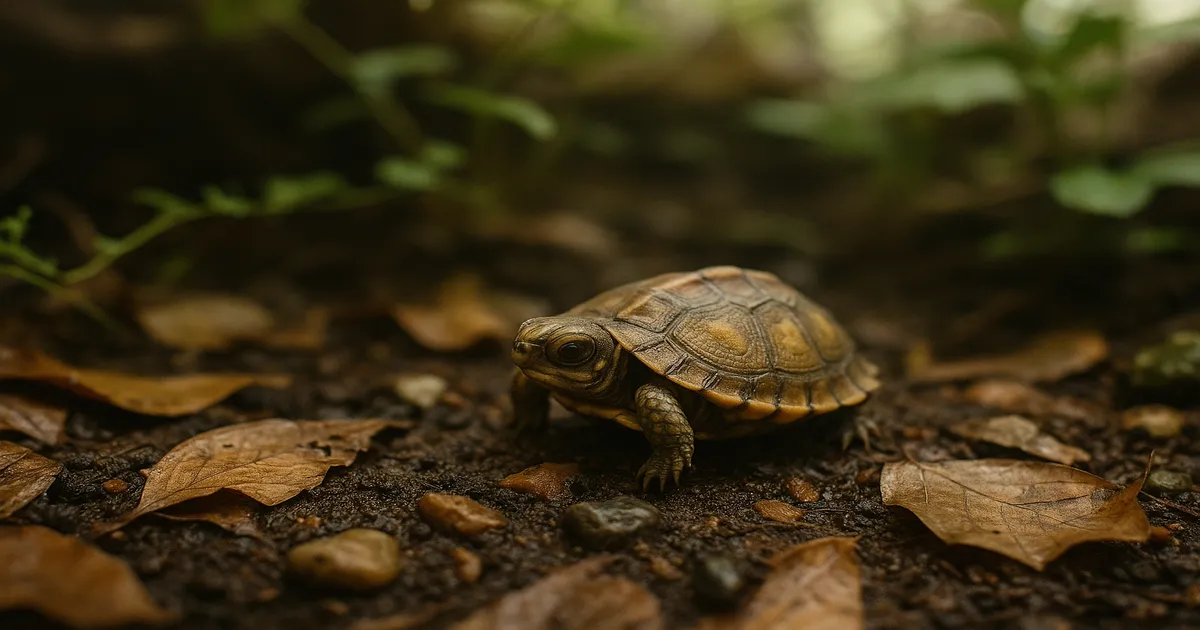
Quick Answer: The safest window to release box turtle hatchlings is late August through mid-September for same-season releases, or late April through May if you’ve overwintered them indoors. Releasing too late in fall — or too early in spring — dramatically cuts survival odds. We’re talking about an animal that already faces 90%+ first-year mortality in the wild, so timing this right genuinely matters.
Knowing when to release box turtle hatchlings is one of those decisions that looks simple on the surface but has a lot of moving parts underneath. Get it right and you’re giving a hatchling a real shot. Get it wrong by even a few weeks and you’re essentially setting them out to die — either from freezing before they find a hibernation site, or from desiccation in a spring cold snap they weren’t ready for.
This guide covers the full picture: natural biology, subspecies-specific windows, pre-release conditioning, site selection, and the mistakes that kill hatchlings before they ever have a chance.
When to Release Box Turtle Hatchlings: Timing at a Glance
| Scenario | Recommended Window |
|---|---|
| Same-season fall release (most of U.S.) | Late August – mid-September |
| Hard cutoff, northern states (zones 5–6) | Mid-October at the latest |
| Spring release after indoor overwintering | Late April – May |
| Spring soil temperature threshold | Above 50°F (10°C) consistently |
| Spring air temperature threshold | Daytime highs of 65°F (18°C)+ |
These are general guidelines — your latitude, local weather, and the specific subspecies you’re working with all shift the window.
Why Timing Is a Life-or-Death Decision
Wild box turtle hatchlings already face brutal odds. First-year mortality exceeds 90% even under natural conditions — and that’s for hatchlings that emerge at exactly the right time, in suitable habitat, with no husbandry complications in their background. Box turtles don’t reach sexual maturity until 5–10 years old and can live 50–100+ years, so population recovery is painfully slow when early survival rates are poor. Every individual hatchling matters.
A hatchling released in late October in Ohio simply may not find a suitable overwintering site before the ground freezes. One released in March before soil temps have stabilized is equally at risk. These aren’t close calls — they’re typically fatal.
Box Turtle Hatchling Biology: What You’re Working With
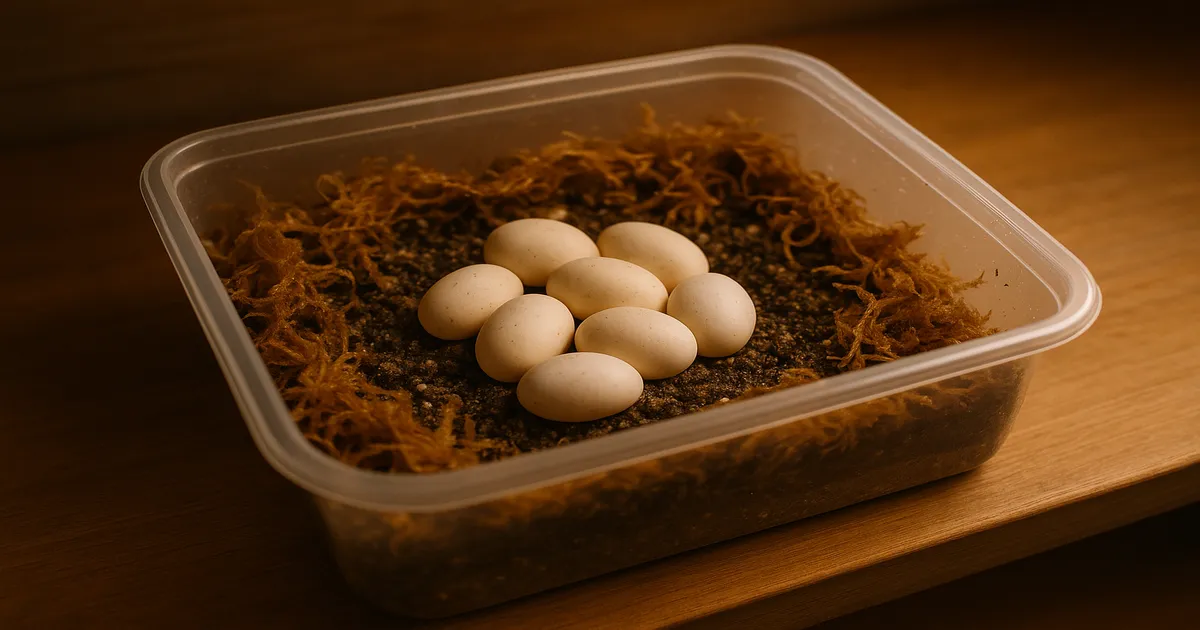
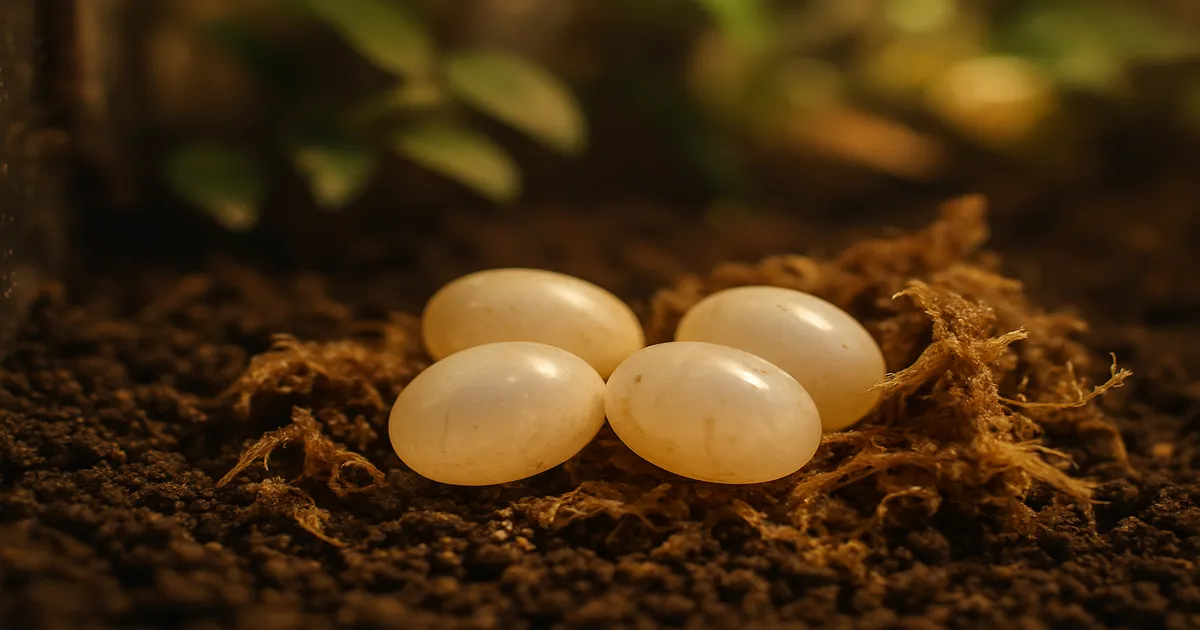
In the wild, hatchlings emerge from nests between August and October, depending on latitude and local temperatures. Incubation runs 60–90 days at natural ground temperatures. Some northern populations undergo winter diapause — hatchlings overwinter inside the egg or nest and emerge the following spring — which tells you something important about how cold-sensitive these animals are at this stage.
Three things kill hatchlings fast: predation, desiccation, and cold exposure. Their small body mass means they lose moisture rapidly — far faster than adults — and a single warm, dry afternoon without cover can be lethal. Raccoons, crows, snakes, and fire ants all target them relentlessly.
Box turtles are also intensely philopatric. They have strong attachment to specific home ranges, and when displaced, they often attempt to return to familiar territory — sometimes crossing roads repeatedly in the process. For hatchlings, this means the release site isn’t arbitrary. Whenever possible, release near where the mother was found or where the eggs were originally collected. Dropping a hatchling into completely unfamiliar habitat adds disorientation stress on top of everything else it’s already dealing with.
Release Timing by Season and Subspecies
Same-Season Fall Releases
A fall release gives hatchlings the most natural start — they enter the world on a timeline close to what wild-hatched turtles experience. But the window is narrow. Late August through mid-September is optimal across most of the U.S. By mid-October in northern states (USDA hardiness zones 5–6), you’re past the point where a hatchling has enough time to feed, build fat reserves, and locate a safe overwintering site.
If you’re not confident the hatchling has had adequate conditioning time and the calendar is pushing into October, the spring option is genuinely safer. Don’t talk yourself into a fall release just because it feels more natural.
Spring Releases After Overwintering
Overwintering hatchlings indoors — either kept active with continued feeding or in controlled hibernation — and releasing them the following spring as yearlings is the approach I’d recommend for most people. You’re releasing a larger, better-conditioned animal with a harder shell and more fat reserves. The survival math is just better.
Don’t rush the spring release. Wait until daytime highs are consistently at or above 65°F (18°C), soil temperatures are above 50°F (10°C), and there’s no frost in the 10-day forecast. In most of the U.S., that means late April through May.
Release Timing by Subspecies
Don’t apply Eastern box turtle timing to an Ornate or Desert box turtle — the habitat requirements alone are completely different.
- Eastern box turtle (T. c. carolina): Late April – September; the most forgiving subspecies and the most widely kept
- Three-toed box turtle (T. c. triunguis): April – October; slightly more heat-tolerant, native to south-central U.S.
- Florida box turtle (T. c. bauri): Warmer months only; not suitable for release north of its native range; should not be hibernated below 45°F (7°C)
- Gulf Coast box turtle (T. c. major): Similar to Florida subspecies; release timing follows Eastern in overlapping range
- Ornate box turtle (T. ornata): May – September; grassland habitat only — do not release in woodland
- Desert box turtle (T. o. luteola): July – September, tied to monsoon season activity in the Southwest
In zone 7 (Virginia, Tennessee, most of the Mid-Atlantic), you have more flexibility than someone in zone 5 (Wisconsin, upstate New York). A mid-October release in North Carolina is risky but potentially survivable. The same date in Minnesota is almost certainly fatal. Check your zone, check the 10-day forecast, and err on the side of spring if you’re in any doubt.
Pre-Release Husbandry: Getting Hatchlings Ready
Temperature, UVB, and Humidity
Temperature targets for hatchlings in captivity:
- Ambient: 75–85°F (24–29°C)
- Basking spot: 88–92°F (31–33°C)
- Cool retreat: 70–75°F (21–24°C)
- Nighttime drop: 65–70°F (18–21°C)
UVB is non-negotiable. Hatchlings kept without it develop metabolic bone disease fast — soft shells, deformed limbs, stunted growth. Use a T5 HO fluorescent bulb positioned 8–12 inches (20–30 cm) above the basking area. Replace it every 12 months even if it still produces visible light — UVB output degrades long before the bulb burns out.
Eastern box turtle hatchlings need 60–80% ambient humidity. Ornate and Desert subspecies run lower at 40–60%, but even they need access to a humid hide. A small plastic container with a hole cut in the side, packed with damp sphagnum moss, works perfectly. Hatchlings should be able to bury themselves in moist substrate whenever they want.
Water dishes need to be shallow enough that the smallest hatchling can’t drown. A jar lid is not overkill — I’ve seen people lose hatchlings to dishes that seemed perfectly reasonable. Err on the side of absurdly shallow.
Feeding and Building Fat Reserves
Target a 50/50 ratio of animal protein to plant matter. Earthworms are the single best conditioning food — nutritionally dense, eagerly eaten, and efficiently converted to fat reserves. Wild-caught nightcrawlers from pesticide-free areas are ideal; commercially available nightcrawlers work well too. Round out the diet with crickets, dark leafy greens (collard, dandelion, endive), and occasional berries.
Dust food with calcium + D3 powder three times per week. (Repashy Supercal NoD) In the 3–4 weeks before planned hibernation or fall release, taper feeding to allow gut clearance. Food left in the digestive tract during hibernation ferments and can be fatal.
Transitioning to Outdoor Conditions
Don’t skip this step. A hatchling that’s spent months in a climate-controlled indoor enclosure isn’t ready for the temperature swings, UV intensity, and humidity fluctuations of outdoor life. Spend 2–4 weeks gradually transitioning them — start with a few hours outside in a secure pen on mild days, then extend exposure until they’re spending full days outdoors. Going straight from indoors to permanent release is a real stressor that can compromise immune function.
Choosing the Right Release Site
You’re looking for mixed woodland with deep leaf litter — minimum 2–3 inches (5–7.5 cm) of accumulated leaves gives hatchlings immediate cover and foraging habitat. Access to water matters, as does varied microhabitat: sunny spots for basking, dense vegetation for cover, rotting logs for invertebrate foraging. No pesticide use. This rules out most suburban lawns and agricultural edges.
Walk the site before release day. Look for adequate leaf litter depth, no active raccoon latrines, no fire ant mounds, and no signs of heavy pesticide application. If the site looks like it would be bad for a small, slow animal with no defenses, it probably is.
Releasing an entire clutch in one spot concentrates predation risk artificially — predators learn patterns quickly. Spread releases across a wider area, ideally 50–100 yards apart. Release in the late afternoon (4–6 PM) so hatchlings have time to find cover before nightfall without being exposed to peak midday heat.
The Head-Start Option: Raising Hatchlings Through Their First Winter
Head-starting means raising hatchlings through their first winter — sometimes their second — before releasing them. The logic is straightforward: get them past the most vulnerable life stage and their odds improve dramatically. A yearling with a fully calcified shell and solid fat reserves is a much better candidate for survival than a days-old hatchling facing its first winter.
Overwintering warm means keeping hatchlings active at normal temperatures with continued feeding through winter, then releasing the following spring. This is the right call for beginners, underweight hatchlings, or any hatchling that hasn’t fed consistently. No hibernation risk, no weight-monitoring anxiety.
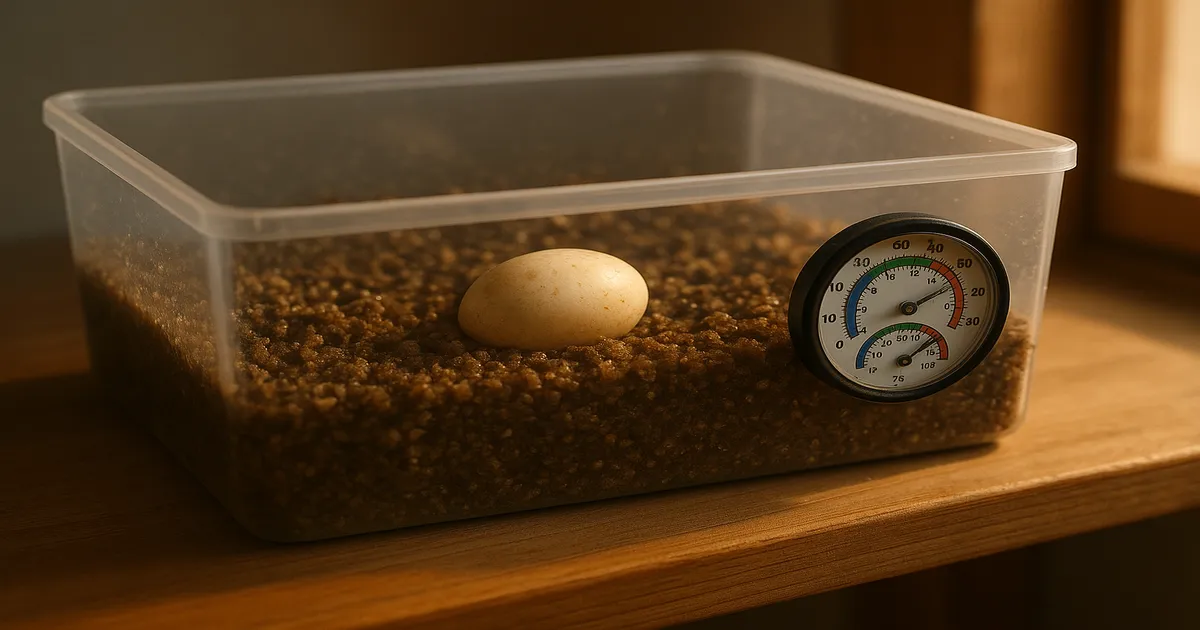
Controlled hibernation uses the refrigerator method — a ventilated container with damp substrate maintained at 38–45°F (3–7°C). You’ll want a reliable min/max thermometer inside the container and daily checks. More naturalistic, but carries real risk if done incorrectly. A wine cooler set to its warmest setting works well for maintaining stable temps.
Do not hibernate a hatchling that hasn’t gained consistent weight through its first active season, shows any signs of illness, or hasn’t fed reliably. When in doubt, overwinter warm — there’s no shame in taking the safer path.
Stop feeding 3–4 weeks before hibernation to clear the gut. Use slightly damp coconut coir or a topsoil/sand mix as substrate, and monitor humidity inside the container (target 70–80%) with a small digital hygrometer.
Common Mistakes That Kill Hatchlings at Release
Releasing too late in fall. The most common and most fatal error. Mid-October is the hard cutoff in northern states — after that, hatchlings won’t find a safe overwintering site before the ground freezes.
Releasing too early in spring. Usually driven by impatience after a long winter of indoor care. Check soil temperature, not just air temperature — ground warms slowly, and a few warm days in March don’t mean much yet.
Wrong habitat. Open areas, pesticide-treated lawns, and spots far from the mother’s original location are all poor choices. Box turtles aren’t adaptable generalists when it comes to microhabitat.
Husbandry failures before release. Skipping UVB, keeping hatchlings too dry, overfeeding before hibernation, hibernating underweight individuals, and using water dishes deep enough to drown in — all of these show up at release time as compromised animals that don’t make it.
Legal mistakes. Many states require permits for releasing captive-hatched native turtles, and some prohibit it entirely without a wildlife rehabilitator license. Releasing non-native subspecies — Florida box turtles in Virginia, for example — introduces non-local genetics that can disrupt wild populations. Check your state wildlife agency’s rules before any release.
Release Day: Final Steps
On release morning, give every hatchling a 15–20 minute soak in shallow lukewarm water at around 80°F (27°C). This ensures they’re fully hydrated going into a stressful day — especially important if the release site is on the drier side.
Weigh each hatchling on a digital gram scale accurate to 0.1g before release. Consistent weight gain through the conditioning period is your best indicator of a release-ready animal. Photograph each hatchling’s shell too — the scute pattern is unique to each individual, like a fingerprint, and gives you a way to identify them if they’re ever encountered again.
Release day checklist:
- Mild weather confirmed — no heat wave, no frost in forecast
- Daytime high above 65°F (18°C), soil temp above 50°F (10°C)
- Site scouted — leaf litter adequate, no active predator signs
- Hatchlings soaked and hydrated
- Releases spread across the area (not all in one spot)
- Release timed for late afternoon (4–6 PM)
- Photos and weights recorded
Frequently Asked Questions
Can you release box turtle hatchlings in the fall?
Yes, but the window is narrow. Late August through mid-September is optimal for most of the U.S. In northern states (zones 5–6), mid-October is the hard cutoff — after that, hatchlings won’t have enough time to find a safe overwintering site before the ground freezes. If you’re past that window, overwinter indoors and release in spring.
How long should you keep box turtle hatchlings before releasing them?
At minimum, 6–8 weeks of conditioning to build fat reserves and confirm the animal is healthy. Many experienced keepers and wildlife biologists recommend keeping them through their entire first winter and releasing them as yearlings the following spring — survival odds improve significantly with that extra size and conditioning.
Where is the best place to release a box turtle hatchling?
Near where the mother was found or where the eggs were originally collected. Box turtles have strong site fidelity, and releasing into unfamiliar territory adds stress and disorientation. The habitat should include mixed woodland with deep leaf litter, access to water, and no pesticide use.
Do box turtle hatchlings need to hibernate before being released?
Not necessarily. For a same-season fall release, they’ll hibernate in the wild after release. If you’re overwintering indoors, you can either hibernate them in a controlled setup or keep them active and warm through winter — the safer option for most beginners. Never hibernate a hatchling that hasn’t gained adequate weight or fed consistently.
Is it legal to release captive-hatched box turtles into the wild?
It depends on your state. Many states require a permit for releasing captive-hatched native turtles, and some prohibit it without a wildlife rehabilitator license. Releasing non-native subspecies outside their natural range is illegal in most jurisdictions and ecologically harmful. Contact your state wildlife agency before any release — this isn’t optional.