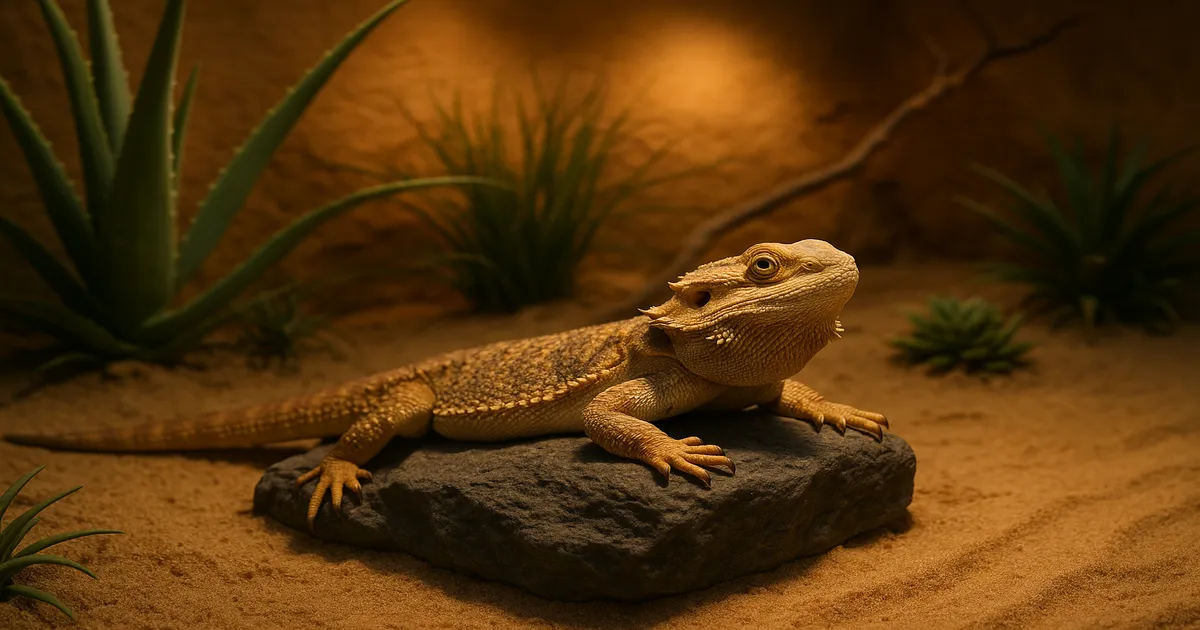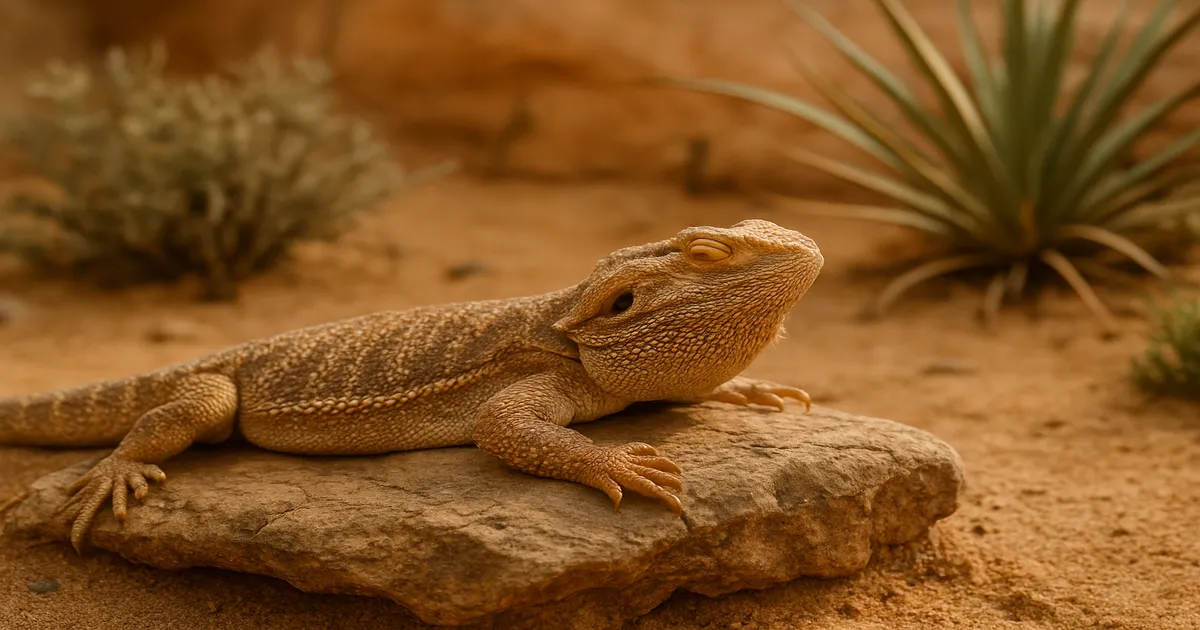
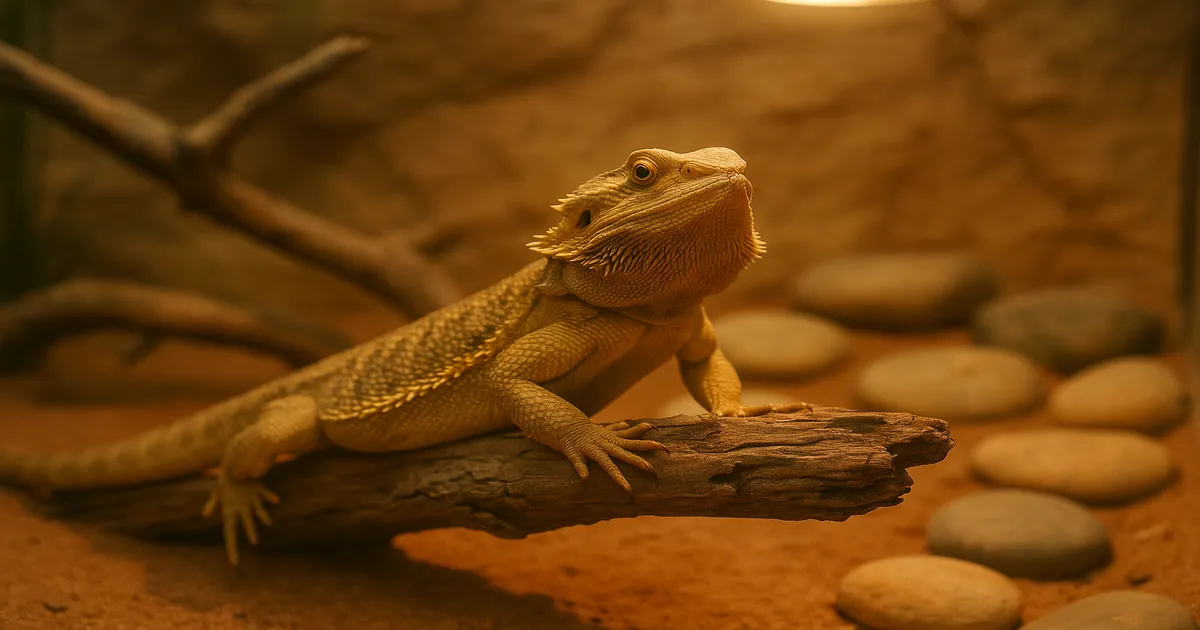
Quick Answer: Bearded dragons are one of the more ethically defensible reptile pets you can own — they’re captive-bred for generations, don’t contribute to wild population decline, and adapt well to captivity. That said, ethical ownership isn’t a given. It depends entirely on whether you can meet their genuinely complex husbandry needs.
The question of whether it’s ethical to own a bearded dragon comes up more than you’d think, and it deserves a straight answer — not reassurance. Is it ethical to own a bearded dragon? Usually yes, but not automatically. The ethics hinge on where the animal came from, what we know about its cognitive life, and whether you’re actually prepared to meet its needs. Let’s get into it.
Where Bearded Dragons Come From
Australia’s Export Ban and What It Means for You
Australia banned the export of native wildlife in 1960, reinforced by the Environment Protection and Biodiversity Conservation Act 1999. In practice, that means virtually every Pogona vitticeps you’ll find — from a breeder, a reptile expo, or a pet store — was born in captivity, almost certainly in the US or Europe. There’s no meaningful wild-collection pipeline for this species.
That matters. Wild-caught reptiles face capture stress, brutal transit mortality, and typically arrive with heavy parasite loads. Bearded dragons simply aren’t part of that story, and that’s a genuine ethical positive that separates them from a lot of other reptile pets.
How Domesticated Is a Captive-Bred Beardie, Really?
After decades of selective breeding, captive bearded dragons are genuinely adapted to life with humans in ways that wild-caught species aren’t. They’re comfortable with handling, they don’t spend their lives trying to escape, and they don’t shut down from chronic stress the way a freshly imported chameleon might. They’re not domesticated like dogs — but they’re as close as reptiles get.
The Morph Problem: When Breeding Goes Too Far
Most of the 100-plus color and pattern morphs in the hobby — citrus, hypo, zero, witblits — are cosmetic and carry no welfare concerns. One morph is different.
Silkbacks are homozygous leatherbacks, meaning they lack functional scales entirely. The result is an animal with chronic dehydration, persistent shedding problems, skin infections, and a heightened vulnerability to injury from normal handling and enclosure furniture. Experienced keepers are nearly unanimous on this: breeding silkbacks puts aesthetics ahead of the animal’s welfare. Buying one funds that practice. I’d avoid them, and if you’re here asking about ethics, this is one of the clearest places in the hobby where your purchasing decision has a direct welfare impact.
Do Bearded Dragons Have the Cognitive Complexity to Matter Ethically?
What the Research Actually Shows
Dr. Anna Wilkinson’s work at the University of Lincoln demonstrated that bearded dragons are capable of social learning — watching another individual solve a problem and replicating the solution. That’s not trivial. It puts them in a different category from animals we typically treat as purely instinct-driven.
Beyond the lab, anyone who’s kept bearded dragons for a few years knows they have genuine individual personalities. Some are bold and immediately at ease with handling. Others are naturally defensive and never fully warm up, no matter what you do. They recognize their owners. Their behavior changes based on who’s approaching. That’s worth taking seriously.
What This Means for Keeper Responsibility
“Keeping it alive” isn’t the ethical bar here. These animals have a real capacity for stress, boredom, and — based on everything we know — something that looks a lot like contentment. That raises the standard for what ethical husbandry actually looks like.
What Ethical Bearded Dragon Ownership Actually Requires
Enclosure Size Is a Welfare Issue, Not a Preference
A 40-gallon breeder tank (36”×18”×18” / 91×46×46 cm) is workable for juveniles. For adults, the minimum is a 4’×2’×2’ (120×60×60 cm) enclosure — and most experienced keepers land on 6’×2’×2’ (180×60×60 cm). The length matters because bearded dragons need a genuine temperature gradient from basking end to cool end. A short enclosure physically can’t provide that. Keeping an adult in a 40-gallon long-term isn’t a minor shortcoming — it’s a welfare failure.
PVC enclosures from Zen Habitats or Animal Plastics are the best all-around choice for adults — they insulate well, hold heat, and are easy to clean. Glass terrariums work but struggle to maintain thermal gradients in cooler rooms, and screen tops bleed heat and humidity.
Thermal Gradients: Why Surface Temperature Is the Only Number That Matters
The basking surface needs to hit 100–110°F (38–43°C), measured where the dragon’s belly actually rests — not the air temperature above it. A basking rock can run 15–20°F (8–11°C) hotter than ambient air at the same height. The only way to know what you’re actually dealing with is an IR temperature gun. (Etekcity Lasergrip 774) Cool-side ambient should sit around 80–85°F (27–29°C). Nights can safely drop to 65–70°F (18–21°C) for adults.
Halogen PAR flood bulbs produce better surface heat than standard incandescent bulbs — run them through a dimmer thermostat to maintain consistent temperatures and extend bulb life. (Herpstat 1) Heat rocks are a hard no. Thermal burns, full stop.
UVB: Ferguson Zones and Why Coil Bulbs Don’t Cut It
Bearded dragons are Ferguson Zone 3–4 animals — UV-basking specialists that actively seek high UVI in the wild. You need a UVI of 3.0–4.0 at the basking zone, measured with a Solarmeter 6.5.
Use a T5 HO 10.0 or 12% UVB tube. The Arcadia Dragon Lamp 12% and the Zoo Med ReptiSun 10.0 T5 HO are both solid choices. Replace tubes every 6–12 months even if they still produce visible light — UV output degrades long before the bulb goes dark. Your fixture should cover at least 50–75% of the enclosure length, positioned 12–18 inches (30–45 cm) from the basking surface. Standard metal mesh blocks 30–50% of UVB output, so account for that in your positioning. Metabolic bone disease is devastating, progressive, and entirely preventable. When it happens, it’s a husbandry failure.
Humidity, Substrate, and the Impaction Question
Target 30–40% relative humidity. Above 60% and you’re looking at respiratory infections and dysecdysis. A digital hygrometer is cheap and necessary. During shed cycles, a humid hide or light misting helps — just don’t keep the enclosure chronically damp.
For substrate: tiles or paper towels for juveniles. Loose particle substrates carry real impaction risk for young animals. For adults, ceramic or slate tiles work well and wear down nails naturally. A bioactive mix of 60–70% organic topsoil and 30–40% play sand is the other solid option. Calcium sand is marketed for reptiles and causes intestinal blockages — avoid it.
Diet: The Transition Most Keepers Miss
- Juveniles (under 6 months): 70–80% insects, 20–30% leafy greens; feed insects 2–3 times daily
- Adults (18 months+): Flip it — 70–80% leafy greens and vegetables, 20–30% insects
- Staple greens: Collard greens, mustard greens, dandelion greens, endive, arugula
- Staple insects: Dubia roaches, black soldier fly larvae, crickets
- Avoid: Fireflies (toxic), avocado, spinach (high oxalates), iceberg lettuce
Continuing to feed an adult like a juvenile leads to obesity, fatty liver, and gout. The diet transition isn’t optional.
Gut-loading matters more than most keepers realize. A dubia roach fed on collard greens and squash for 24–48 hours before feeding is nutritionally superior to a poorly-fed cricket dusted with calcium powder. Both gut-loading and dusting matter — but gut-loading is the foundation.
Brumation, Vet Care, and Cohabitation
Adult bearded dragons often brumate in winter — reduced activity, decreased appetite, sometimes weeks of near-inactivity. That’s normal. What isn’t normal: sudden lethargy in summer, weight loss, abnormal feces, or neurological symptoms. Weigh the animal weekly and call your vet if something’s off.
Find an ARAV-member reptile vet before you need one. Emergencies happen, and a general-practice vet with limited reptile experience is not who you want making treatment decisions for a sick beardie.
On cohabitation: bearded dragons are solitary. Housing two together causes chronic stress and resource competition even when you don’t see overt aggression. Don’t do it.
Practical Tips That Actually Raise the Welfare Bar
Weigh weekly. A 5–10% body weight loss over two to four weeks warrants investigation — often before any other clinical signs appear. A digital kitchen scale and a simple log is the best early-warning system you have.
Read stress signals. Beard blackening, gaping, tail-whipping, and puffing up are clear communication. A dragon that consistently does these things during handling is telling you something. Respecting that is part of ethical ownership. Black bearding doesn’t always mean aggression, though — context matters. Cold, fear, illness, and even feeding excitement can all trigger it.
Consider seasonal cycling. Reducing photoperiod to 10 hours and allowing a slight temperature drop in winter mimics natural conditions, can reset appetite cycles, and supports long-term health. It’s a small management change with real benefits.
Bioactive setups are worth it. Dragons in well-designed bioactive enclosures consistently show better color, more natural behavior, and less stress-related behavior than those in bare setups. The upfront investment is higher, but long-term maintenance is lower and the welfare benefits are real.
Frequently Asked Questions
Is it ethical to own a bearded dragon?
Generally yes — but it depends on how you keep one. Bearded dragons are captive-bred for generations, don’t contribute to wild population decline, and adapt well to captivity. The ethical question isn’t really about ownership itself; it’s about whether you can meet their genuinely complex husbandry needs. If you can, they’re one of the most defensible reptile pets available. If you can’t, that’s where the ethics break down.
Are bearded dragons taken from the wild for the pet trade?
No. Australia banned the export of native wildlife in 1960, and virtually all bearded dragons in the hobby are captive-bred domestically. Wild collection is genuinely not a concern with this species — which is more than you can say for a lot of other reptile pets.
Is it cruel to keep a bearded dragon as a pet?
Not inherently — but inadequate care absolutely is. Bearded dragons are cognitively complex animals capable of stress, boredom, and discomfort. Keeping one in an undersized enclosure with poor lighting and wrong temperatures causes real suffering. Ethical ownership means meeting their full husbandry needs, not just keeping them alive.
Are silkback bearded dragons ethical to buy?
Most experienced keepers say no. Silkbacks lack functional scales, which causes chronic dehydration, painful shedding, skin infections, and heightened injury risk throughout their lives. Buying one financially supports continued breeding of a morph that causes preventable suffering.
How much does ethical bearded dragon ownership actually cost?
Setup costs for a proper adult enclosure, UVB lighting, heating equipment, and monitoring tools typically run $500–$1,000 upfront. Ongoing costs — electricity, insects, fresh greens, supplements, annual vet checkups — run $50–$100 per month conservatively, with emergency vet care potentially adding several hundred dollars in any given year. Anyone who tells you bearded dragons are a cheap pet hasn’t priced out ethical husbandry.