Quick Answer: After laying eggs, give your bearded dragon 2–4 hours of undisturbed rest, then offer a warm soak within 24 hours and bump up calcium supplementation to every single feeding. Watch her abdomen closely for signs of retained eggs, and expect full recovery to take 8–12 weeks with proper support — not the 4–8 weeks you’ll see quoted elsewhere.
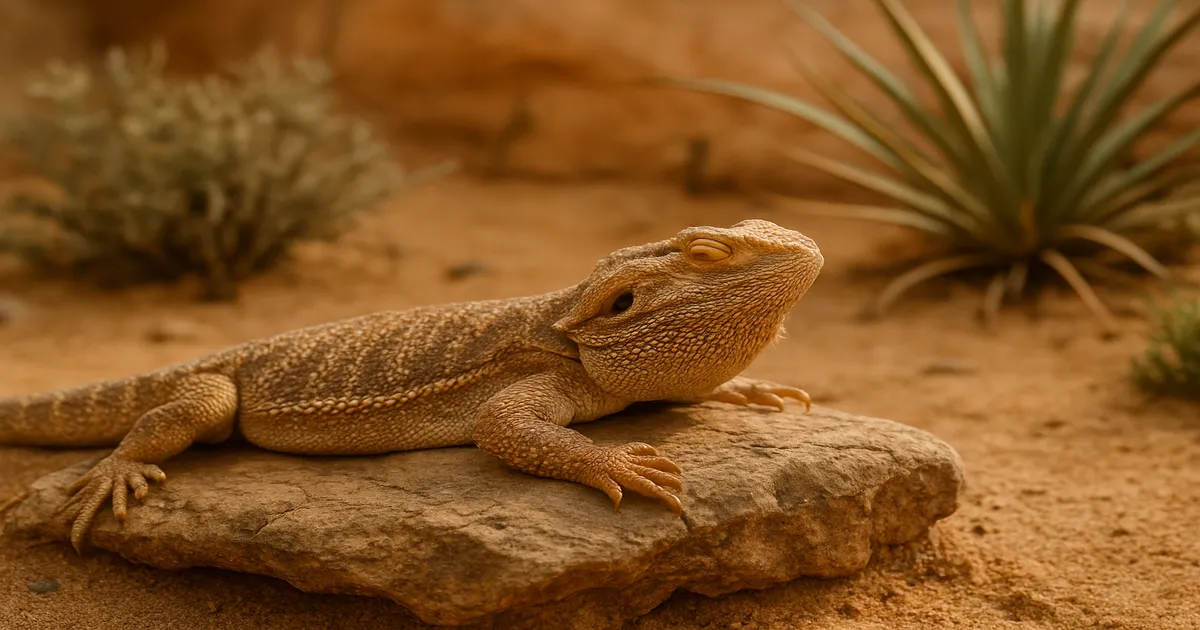
Post-laying is one of the most physically demanding things a female bearded dragon will ever go through. Knowing how to care for a bearded dragon after laying eggs — and doing it correctly in those first 72 hours — can be the difference between a smooth recovery and a genuine vet emergency. I’ve seen keepers do everything right during breeding and then completely drop the ball on post-lay care. Don’t be that keeper.
What Happens to Her Body After Laying Eggs
Calcium Depletion: The Biggest Post-Laying Threat
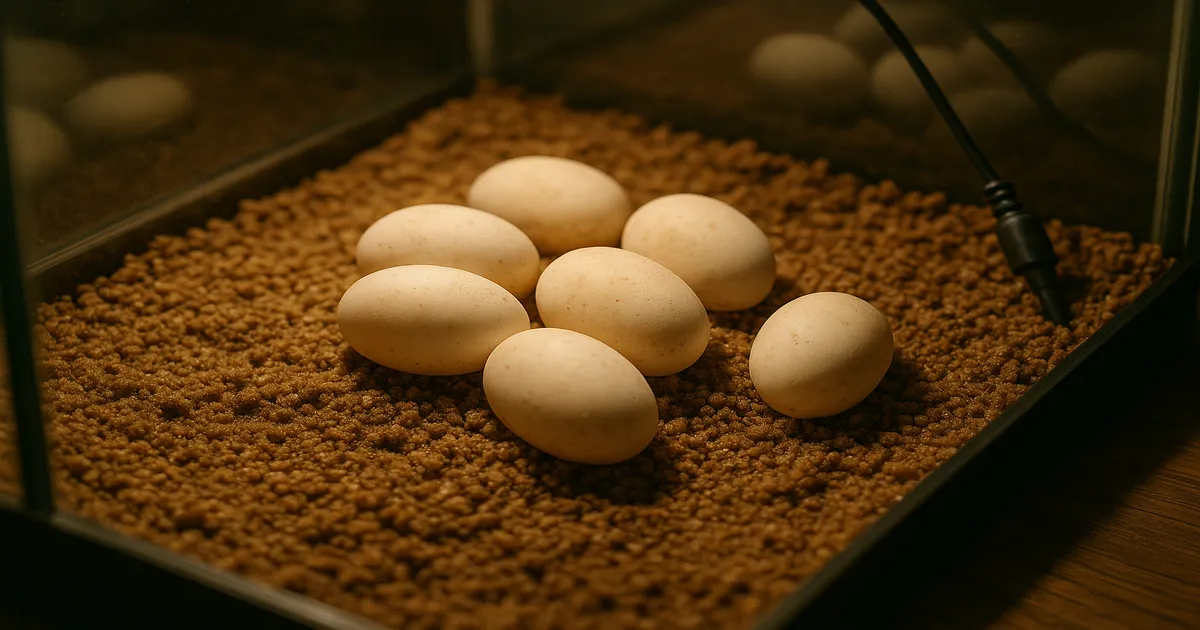
Every eggshell is built from calcium carbonate pulled directly from your dragon’s skeletal reserves. A clutch of 20+ eggs can critically deplete those reserves in ways that aren’t immediately visible — which is exactly what makes it dangerous. Metabolic Bone Disease (MBD) and hypocalcemia are the two most serious risks, and both can develop silently before you notice a single symptom.
First-time layers (typically around 1.5–2 years old) are at higher risk because their bodies are still maturing and the calcium demand hits proportionally harder. Experienced layers tend to recover more efficiently, but don’t get complacent — repeated laying seasons create cumulative depletion that sneaks up on you. And worth saying clearly: infertile clutches carry the exact same physiological cost as fertile ones. The eggs being “slugs” doesn’t make recovery any easier on her body.
Dehydration and Energy Loss
The digging and laying process can take 24–72 hours — a full day to three days of intense physical exertion with significant fluid loss. By the time she’s done, your female is depleted on multiple fronts: calcium, hydration, protein, and overall energy. She needs targeted support on all of them, not just a bowl of greens and a hope for the best.
Immediate Care in the First 24–72 Hours
Step 1: Let Her Rest
Resist the urge to check on her right away. Let her rest undisturbed for at least 2–4 hours after she finishes laying. Handling a dragon in that window adds stress at the absolute worst time — she’s exhausted, she’s depleted, and she doesn’t need you poking at her.
Step 2: Warm Soak Within 24 Hours
Get her into a shallow soak at 85–90°F (29–32°C) for 20–30 minutes. For the first two or three soaks, add a small amount of diluted Pedialyte or unsweetened coconut water to the water — this restores electrolyte balance faster than plain water alone. If she drinks heavily during the soak, that tells you she was significantly dehydrated going in. Continue daily soaks for at least the first week.
Step 3: Weigh Her and Track It
Weigh her immediately after laying and again at 48 hours. A digital kitchen scale works fine. Write the number on a piece of paper and tape it to the enclosure — seeing it every day keeps you honest about whether she’s trending in the right direction. Weigh her weekly through the full recovery period.
Step 4: Watch for Retained Eggs
This is not a wait-and-see situation. Signs of retained eggs (dystocia) include:
- A still-distended or lumpy abdomen after laying is supposedly complete
- Straining or repeated digging with no eggs produced
- Lethargy that doesn’t improve within 24–48 hours
- Loss of appetite beyond 48 hours post-lay
Photograph her abdomen from below — use a clear plastic container with a flashlight underneath — at 0, 24, and 48 hours. That visual baseline makes it much easier to spot abnormal swelling. If anything looks off, call a reptile vet. Don’t wait.
How to Care for a Bearded Dragon After Laying Eggs: Enclosure Setup
Basking and Ambient Temperatures During Recovery
Raise the basking spot by about 5°F above her normal setup for the first two weeks. Here’s what the full thermal gradient should look like:
| Zone | Temperature |
|---|---|
| Basking spot | 105–110°F (40–43°C) |
| Warm side ambient | 90–95°F (32–35°C) |
| Cool side ambient | 80–85°F (27–29°C) |
| Nighttime low | 70–75°F (21–24°C) |
Always verify surface temperatures with an infrared temperature gun (Etekcity Lasergrip 774) — ambient air readings at cage height tell you almost nothing useful about what the basking surface is actually doing.
UVB Is Non-Negotiable Right Now
Without adequate UVB, calcium metabolism basically doesn’t work. D3 synthesis is the key that unlocks calcium absorption, and it requires proper UVB exposure. Use a T5 HO bulb rated at 10.0 or 12% running the full length of the enclosure. The basking spot should fall in a UVI range of 3.0–6.0, which you can only confirm with a Solarmeter 6.5 . Replace UVB bulbs every six months regardless of whether they still look fine — UV output degrades long before the visible light does.
Photoperiod, Humidity, and Space
Run a 14-hour photoperiod during recovery. This mimics peak Australian summer daylight and keeps appetite and activity levels up. Keep humidity at 30–40%, remove the laying box once laying is confirmed complete, and make sure she’s in a 120-gallon (48” × 24” × 24”) or larger enclosure so she can actually use the full thermal gradient.
Feeding and Supplementation After Laying Eggs
Feed Her Like a Juvenile for Two Weeks
Don’t go back to a normal adult feeding schedule. For the first two weeks, she needs multiple feedings per day, heavy on live feeders. Offer food about 6–8 hours after basking lights turn on — a fully warmed dragon absorbs nutrients far more efficiently than a cold one.
Best Feeders for Post-Laying Recovery
Black soldier fly larvae (BSFL, sold as Calci-Worms or Phoenix Worms) are my top pick here. Their calcium-to-phosphorus ratio is nearly ideal at around 1.5:1, and they don’t need additional calcium dusting on top. Dubia roaches are excellent too — gut-load them with collard greens, dandelion greens, and bee pollen for 24–48 hours before offering.
Stay away from waxworms and superworms as a primary feeder right now. High fat, high phosphorus — that combination actively interferes with calcium absorption. Fine as an occasional treat once she’s recovered, but not during the recovery window.
Calcium and Vitamin Supplementation Protocol
- Calcium without D3: Every single feeding for the first 2–4 weeks
- Calcium with D3: 2–3 times per week during the first month
- Multivitamin: Once weekly (Repashy Supervite)
- Liquid calcium: Use as a bridge if she’s refusing food — administer via syringe or mix into a slurry
Standard once-or-twice-weekly calcium dusting is not enough to offset the cost of a full clutch. This is the single most common mistake I see post-laying, and it’s an easy one to fix.
Week-by-Week Diet Transition
| Period | Live Feeders | Greens |
|---|---|---|
| Weeks 1–2 | 70% | 30% |
| Weeks 3–4 | 50% | 50% |
| Week 5+ | Return to normal adult ratio (~30% feeders / 70% greens) |
Mistakes That Slow Recovery (or Create Emergencies)
Going back to normal too fast. The two most common errors: returning to a standard feeding schedule too quickly, and under-supplementing calcium. Both are easy to avoid if you’re paying attention.
Removing the laying box too early. Some females lay in multiple sessions hours apart. Pull the box before she’s done and you risk egg binding — which is a true emergency, not a “monitor and see” situation.
Skipping the soak. Dehydration after laying is nearly universal. The soak isn’t optional.
Ignoring subtle neurological signs. Fine tremors in the limbs or jaw during basking are an early sign of hypocalcemia that a lot of keepers write off as tiredness. That’s a call-your-vet situation. A female eating normally can still be critically calcium-depleted — behavioral signs of MBD may not show up until things are already serious. Weight monitoring is your best early warning system.
Not having a vet lined up. Find a reptile-experienced vet before breeding season, not during a crisis. Dystocia moves fast. A post-lay check — including palpation and potentially an X-ray — is best practice for first-time layers especially.
Long-Term Recovery and Future Clutches
How Long Does Full Recovery Actually Take?
Looking normal and being fully recovered are two different things. A female might appear healthy at three weeks while her bone calcium density is still significantly depleted. Allow a minimum of 8–12 weeks between clutches in captivity — no exceptions. The 4–8 week figure you’ll see in some places is too optimistic.
Managing Repeated Laying Seasons
Females that lay repeatedly over multiple seasons face cumulative calcium depletion that builds slowly and quietly. If you’re breeding regularly, pre- and post-lay bloodwork to check ionized calcium levels is genuinely worth doing. It’s the only way to catch chronic deficiency before it becomes MBD.
Start Post-Laying Care Before the Eggs Are Laid
The best post-laying care actually starts before the eggs arrive. In the final two weeks of gestation, increase calcium supplementation to every feeding, offer more live feeders, and do daily soaks. Keep a permanent laying box available at all times — egg binding caused by a female not having a suitable laying site is entirely preventable.
Frequently Asked Questions
How long does it take for a bearded dragon to recover after laying eggs?
Visible recovery — eating well, normal activity, good color — typically happens within 4–8 weeks with proper care. Full restoration of bone calcium density takes longer, closer to 8–12 weeks. Don’t let a dragon that looks fine at three weeks fool you into cutting the recovery protocol short.
How do I know if my bearded dragon has retained eggs?
The main signs are a still-distended or lumpy abdomen after laying is supposedly complete, continued straining or digging, persistent lethargy, and loss of appetite beyond 48 hours. Photograph the abdomen from below at 0, 24, and 48 hours for a visual reference. If anything looks wrong, call a reptile vet immediately — dystocia is an emergency.
Do I really need to give extra calcium after laying eggs?
Yes, and more than most keepers realize. Dust feeder insects with calcium without D3 at every single feeding for the first 2–4 weeks. Add calcium with D3 two to three times per week on top of that. Once-or-twice-weekly supplementation is nowhere near enough to offset the calcium cost of a full clutch.
Should I soak my bearded dragon after she lays eggs?
Absolutely. Offer a warm soak at 85–90°F (29–32°C) for 20–30 minutes within the first 24 hours — dehydration after the digging and laying process is nearly universal. Adding diluted Pedialyte or unsweetened coconut water helps restore electrolytes faster. Continue daily soaks for at least the first week.
What if she won’t eat after laying?
Some females go off food for 24–48 hours post-lay, which is normal. Beyond 48 hours, start troubleshooting: check temperatures, offer her favorite feeders, and try hand-feeding. If she’s still refusing food at 72 hours and showing lethargy, call your vet — that combination can indicate retained eggs or the early stages of hypocalcemia.