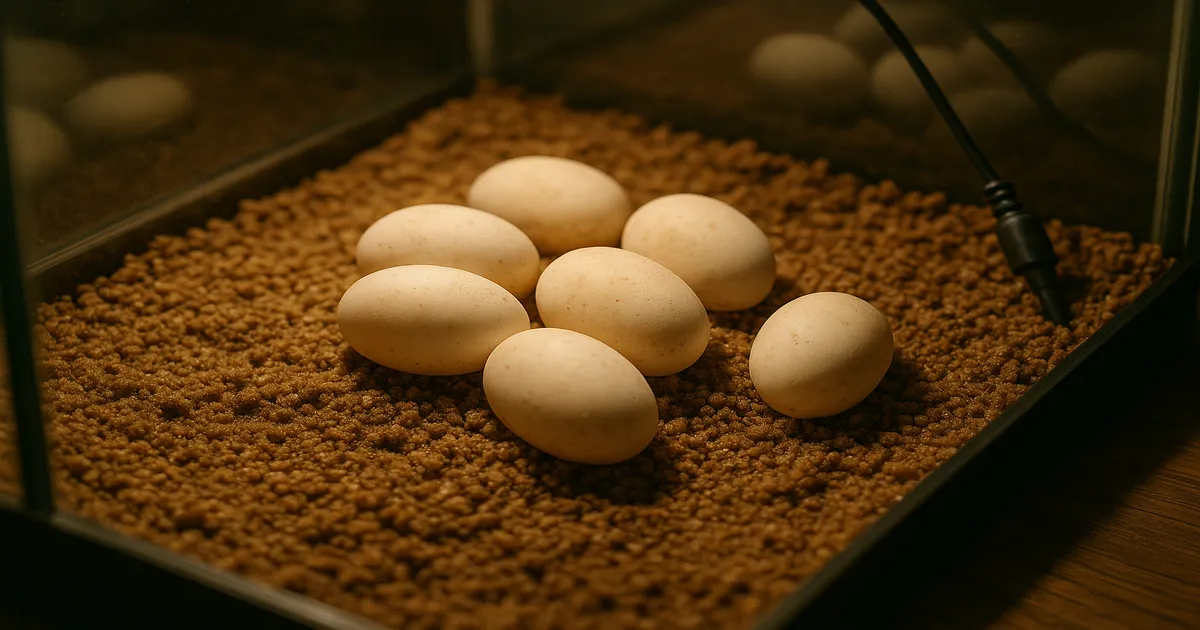
Quick Answer: To care for water dragon eggs, collect them without rotating, mark the top of each egg immediately with a permanent marker, and half-bury them in moist vermiculite or perlite inside a mostly sealed container with a few ventilation holes. Incubate Chinese water dragon eggs at 82–86°F (28–30°C) and Australian water dragon eggs at 80–84°F (27–29°C), maintaining 80–90% humidity inside the container. Expect hatchlings in 60–90 days depending on species and temperature.
Knowing how to care for water dragon eggs properly is the difference between a successful clutch and a disappointing pile of collapsed, moldy failures. I’ve watched keepers do everything right during breeding and then lose the whole clutch to one dumb mistake — rotating an egg, running the incubator too hot, or not having a lay box ready when the female needed it. This guide covers everything from spotting a gravid female to pulling healthy hatchlings out of the incubation container.
Understanding Water Dragon Reproduction
Chinese vs. Australian Water Dragons: What Changes for Egg Care
The two species you’re most likely working with are the Chinese water dragon (Physignathus cocincinus) and the Australian water dragon (Intellagama lesueurii). Chinese water dragons are far more commonly bred in captivity, so there’s more collective experience to draw from. Australian water dragons — Eastern and Gippsland subspecies both — are gaining a following and are genuinely rewarding to breed, but they need slightly cooler incubation conditions and tend to have smaller clutches.
Both species are egg-layers. Both can produce eggs without a male present. Unfertilized eggs from isolated females are common, so don’t assume your single female is off the hook when it comes to setting up a lay box.
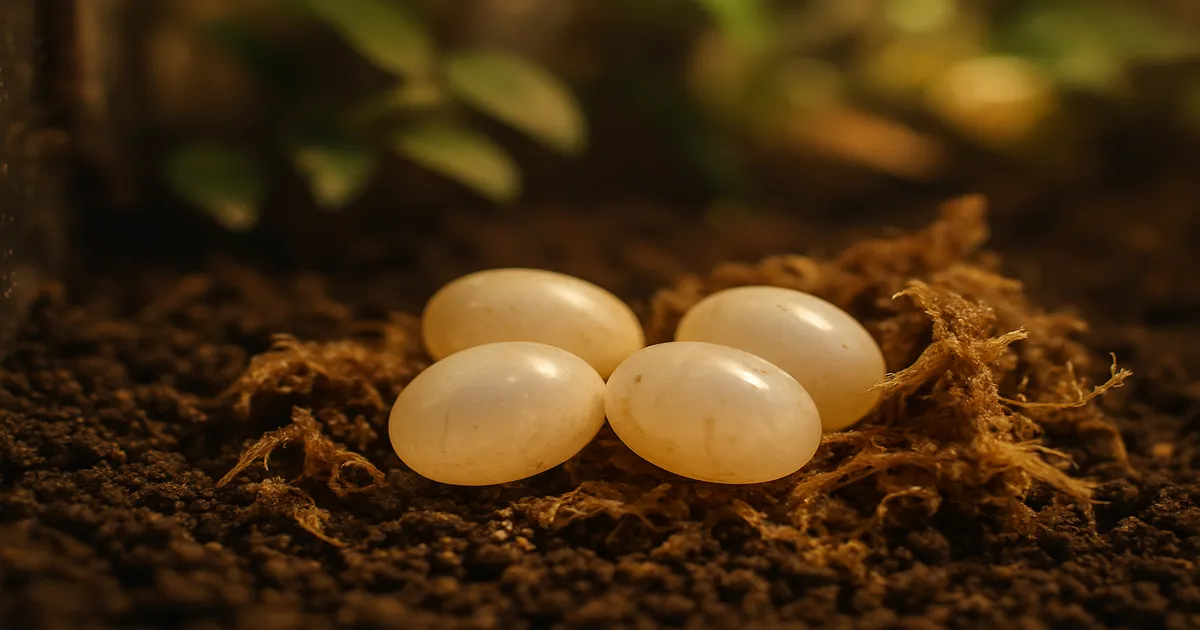
Expect 6–18 eggs per clutch — Chinese water dragons typically land in the 8–14 range, Australians a bit lower. Under good conditions, a female can cycle through 2–3 clutches per year. The eggs are white, oval, and leathery, not hard like a bird egg. That soft shell is gas-permeable, which is exactly why substrate moisture matters so much during incubation.
How Wild Females Nest (and Why It Matters for Captive Care)
In the wild, females dig burrows 4–12 inches (10–30 cm) deep in warm, sloped soil — often on banks that get maximum solar warming. They backfill the nest and walk away. No parental care, no checking back. Understanding this instinct is why lay box depth matters so much in captivity: a female who can’t complete her digging behavior may become egg-bound, and that’s a vet visit you don’t want.
Recognizing a Gravid Female and Setting Up a Lay Box
Signs Your Water Dragon Is Gravid
Changes usually show up 2–4 weeks before laying. The most obvious is abdominal distension — she’ll look visibly rounder in the lower belly. Behavioral changes follow: restlessness, scratching at enclosure walls, digging at the substrate, and a noticeable drop in appetite. Some females also bask more intensely than usual.
Don’t wait until she’s actively digging to set up the lay box. By then you’re already behind.
Lay Box Setup: Depth, Substrate, and Privacy
The lay box needs to be at least 12 inches (30 cm) deep — that’s the minimum, not the target. A large Rubbermaid storage tote works well and gives her room to dig properly. Fill it with a moist 50/50 mix of topsoil and play sand, or coconut coir on its own. The consistency you’re after is “sandcastle” — it holds its shape when you squeeze a handful but doesn’t drip.
Shallow substrate is the number one cause of dystocia in captive water dragons. It’s entirely preventable.
Females are also picky about privacy. A lay box sitting in the open under bright light will often be ignored. Cover the entrance with a hide or dark cloth and position it in a quieter corner of the enclosure. If the lay box has to go outside the enclosure, allow supervised access and resist the urge to hover.
How to Care for Water Dragon Eggs: Collection and Preparation
Collecting Eggs Without Rotating Them
The moment you find eggs, grab a fine-tip permanent marker before you touch anything else. Mark the top of each egg with a small dot or arrow before moving it. This is non-negotiable — the embryo attaches to the upper membrane within hours of laying, and even a partial rotation can kill it. Experienced breeders keep a marker in their pocket during breeding season. Get into that habit now.
Once marked, gently transfer each egg to your prepared incubation container, maintaining the same orientation. Settle them into pre-made depressions in the substrate so they stay put.
Candling: How to Check for Fertility
In a darkened room, hold a bright penlight against the side of the egg. A fertile egg will show a distinct pink or reddish band — the developing blood vessel network — within 48–72 hours of laying. If you see nothing but uniform white or pale yellow at the 5–7 day mark, fertility is unlikely, but still wait the full two weeks before writing it off. Infertile eggs typically start to dent or mold within 1–2 weeks. Fertile eggs hold their shape and may develop a slightly different sheen over time.
Don’t discard any egg in the first two weeks. Even eggs that look suspicious sometimes surprise you.
Incubation Parameters: Temperature, Humidity, and Substrate
Optimal Temperature and Humidity by Species
| Parameter | Chinese Water Dragon | Australian Water Dragon |
|---|---|---|
| Optimal temp | 82–86°F (28–30°C) | 80–84°F (27–29°C) |
| Incubation duration | 60–75 days | 65–90 days |
| Humidity (inside container) | 85–90% | 80–85% |
| Typical clutch size | 8–14 eggs | 6–12 eggs |
Don’t push temperatures above 90°F (32°C) — embryo mortality spikes fast above that threshold. Below 75°F (24°C), development slows severely and fungal risk climbs. A gentle 2–3°F (1–2°C) drop at night is fine and may actually benefit hatch rates by mimicking natural soil temperature variation.
Humidity: How to Get It Right
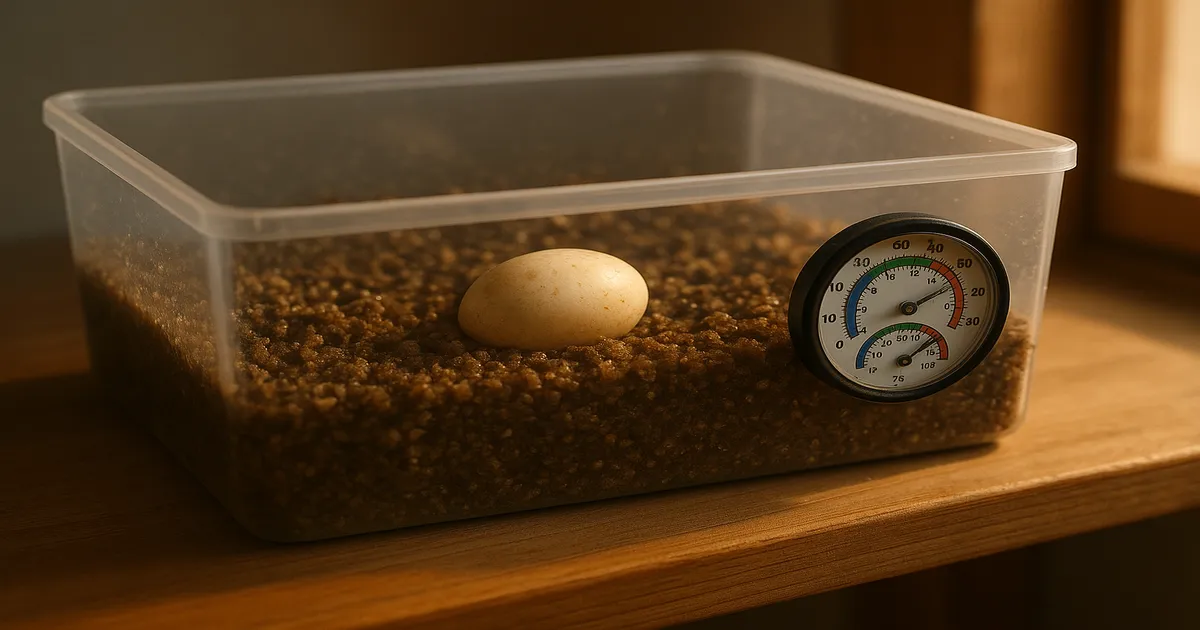
You’re aiming for 80–90% relative humidity inside the container, and you achieve that through substrate moisture — not by misting the eggs directly. The container should be mostly sealed with just 4–6 small ventilation holes (about 1/8 inch / 3 mm) drilled in the lid. Check every 7–10 days. If the substrate feels dry or eggs are dimpling slightly, add a small amount of water to the sides of the container, never directly onto the eggs.
Choosing Your Incubation Substrate
| Substrate | Pros | Cons | Best For |
|---|---|---|---|
| Vermiculite (1:1 by weight) | Widely available, reliable moisture retention | Can compact over time | All experience levels |
| Perlite (1:0.8 by weight) | Great aeration, resists mold | Needs more moisture monitoring | Intermediate/advanced |
| Hatchrite (pre-mixed) | Ready to use, consistent | More expensive, less control | Beginners |
Vermiculite at a 1:1 water-to-vermiculite ratio by weight is the standard starting point and it works. Perlite is slightly more forgiving with mold but needs closer attention to moisture levels. Hatchrite is genuinely good for beginners who don’t want to fuss with ratios.
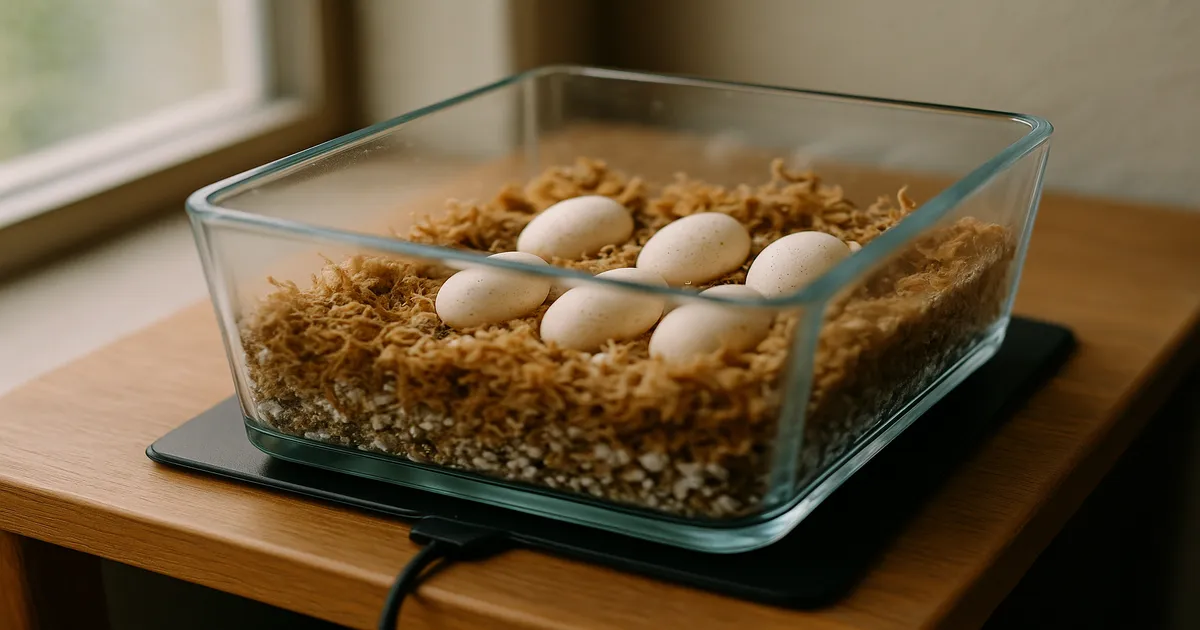
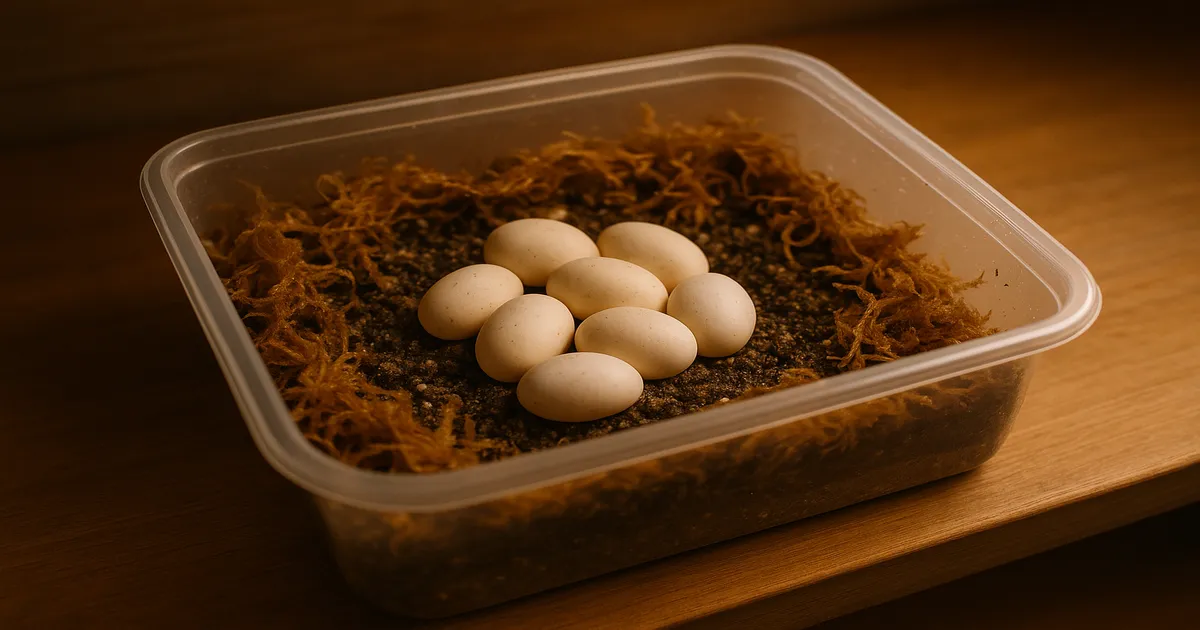
Make small depressions in the substrate and nestle each egg so the bottom half is buried and the top half is exposed. Don’t fully bury them — they need that air exposure. Space eggs so they’re not touching each other; if one goes bad, you don’t want mold jumping to its neighbors.
Equipment for Incubating Water Dragon Eggs
Incubation Containers and Heat Sources
A 6–8 quart plastic container with a tight-fitting lid — Sterilite and Rubbermaid both work fine — is all you need for the egg container itself.
For heat, you have a few options:
- Commercial reptile incubators like the Zoo Med ReptiHatcher or Brinsea Octagon 20 Eco are the most reliable for consistent temperature control and worth the investment if you’re breeding regularly
- DIY wine cooler incubators — a thermoelectric wine cooler with a heat mat and thermostat — are popular with intermediate breeders and offer excellent stability
- Styrofoam coolers with a heat cable and thermostat work on a budget but need more monitoring
Thermostats: Not Optional
Whatever heat source you use, pair it with a proportional thermostat. (Inkbird ITC-306T) A heat mat running without a thermostat will cook your eggs. This is not a place to cut corners.
Always use an independent probe thermometer placed at egg level inside the incubation container — built-in incubator displays are frequently off by 2–4°F, which is enough to cause real problems. A min/max thermometer is worth having to track fluctuations over time. For candling, a small penlight or a dedicated egg candler both work fine.
Common Mistakes When Caring for Water Dragon Eggs
Before the eggs are laid:
- Lay box too shallow — provide at least 12 inches (30 cm) of substrate depth
- Substrate too dry or too wet — aim for sandcastle consistency
- Missing gravidity signs and scrambling to set up the lay box too late
During incubation:
- Rotating eggs — mark them immediately, every single time
- Running too hot — eggs pushed consistently above 88°F (31°C) produce weaker hatchlings or none at all
- Misting directly onto eggs — add moisture to the substrate around them, not on them
- Completely sealing the container — drill those ventilation holes
- Opening the container too often — every 7–10 days is plenty; every check disrupts the microclimate
- Discarding dimpled eggs too early — a slight dimple usually means the substrate dried out, not that the embryo is dead; re-moisten and wait
At hatching: Leave pipped hatchlings alone for 24–48 hours. They’re still absorbing the yolk sac, and pulling them out early can cause fatal hemorrhage. If a hatchling seems stuck after that window, check humidity first — dry conditions make it hard to exit the shell. Increase moisture slightly and give it more time before you consider intervening.
Have the hatchling enclosure fully set up and at temperature before eggs start pipping. Hatchlings dropped into a cold, unprepared enclosure have significantly worse outcomes.
Tips for Better Hatch Rates
Eggs incubated at the lower end of the temperature range — around 82–83°F (28°C) for Chinese water dragons — consistently produce hatchlings that are larger, more vigorous, and show better yolk absorption than eggs pushed at 86–88°F. The tradeoff is time: you’re looking at 75–80 days instead of 60–65. It’s worth it.
On mold: don’t be too quick to pull eggs. Only remove one when it shows active mold spreading to neighboring eggs, complete structural collapse, or a foul odor. Slight yellowing alone isn’t a death sentence. Move borderline eggs to a separate container rather than discarding them — you’ll be surprised how often they pull through. If mold appears on an otherwise firm egg, some keepers carefully wipe it with a dry cotton swab or dab a tiny amount of diluted betadine on the mold spot only. Keep it off the broader shell surface.
Keep a breeding log. Record lay date, clutch size, incubation temperature, substrate type and moisture ratio, and hatch date. After two or three seasons, that data becomes genuinely useful for understanding what works in your specific setup.
Frequently Asked Questions About Water Dragon Egg Care
How long does it take for water dragon eggs to hatch?
Chinese water dragon eggs typically hatch in 60–75 days at 82–86°F (28–30°C). Australian water dragon eggs take a bit longer — 65–90 days at 80–84°F (27–29°C). Cooler temperatures extend incubation; warmer temperatures shorten it, but pushing heat too high causes more problems than it solves.
How do I know if my water dragon eggs are fertile?
Candle the egg with a bright penlight in a dark room at 48–72 hours after laying. A fertile egg will show a visible pink or red band — developing blood vessels — inside the shell. Infertile eggs stay uniformly white or yellow and typically start to dent or mold within 1–2 weeks. Wait at least two weeks before discarding any egg.
What temperature should I incubate water dragon eggs at?
For Chinese water dragons, aim for 82–86°F (28–30°C). Australian water dragons do better at a slightly cooler 80–84°F (27–29°C). Don’t exceed 90°F (32°C) under any circumstances, and don’t let temperatures drop below 75°F (24°C) for extended periods.
Can water dragon eggs survive if they dimple?
Often, yes. A slight dimple usually means the substrate dried out, not that the embryo is dead. Add a small amount of water to the sides of the incubation container — not directly on the eggs — and monitor over the next few days. Many dimpled eggs firm back up and hatch successfully. Only discard an egg if it collapses completely, smells foul, or shows active spreading mold.
Do I need a male water dragon for the female to lay eggs?
No. Female water dragons will lay eggs without a male, though those eggs will be infertile. If you have a single female showing signs of gravidity, you still need to provide a proper lay box — retained infertile eggs can cause dystocia just as easily as fertilized ones.