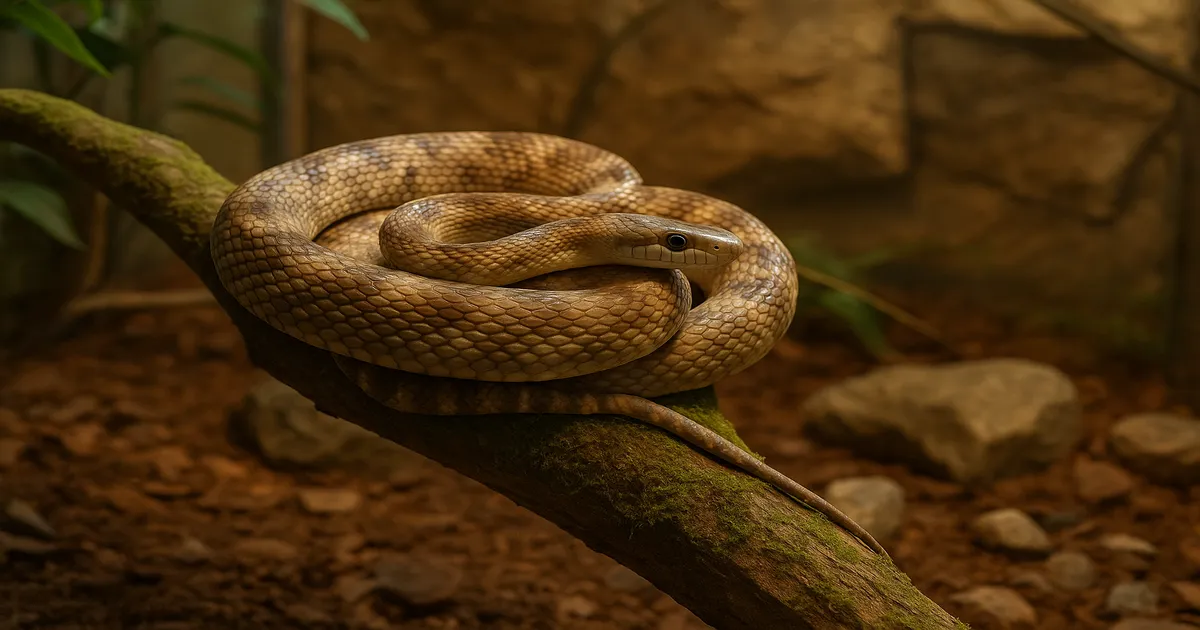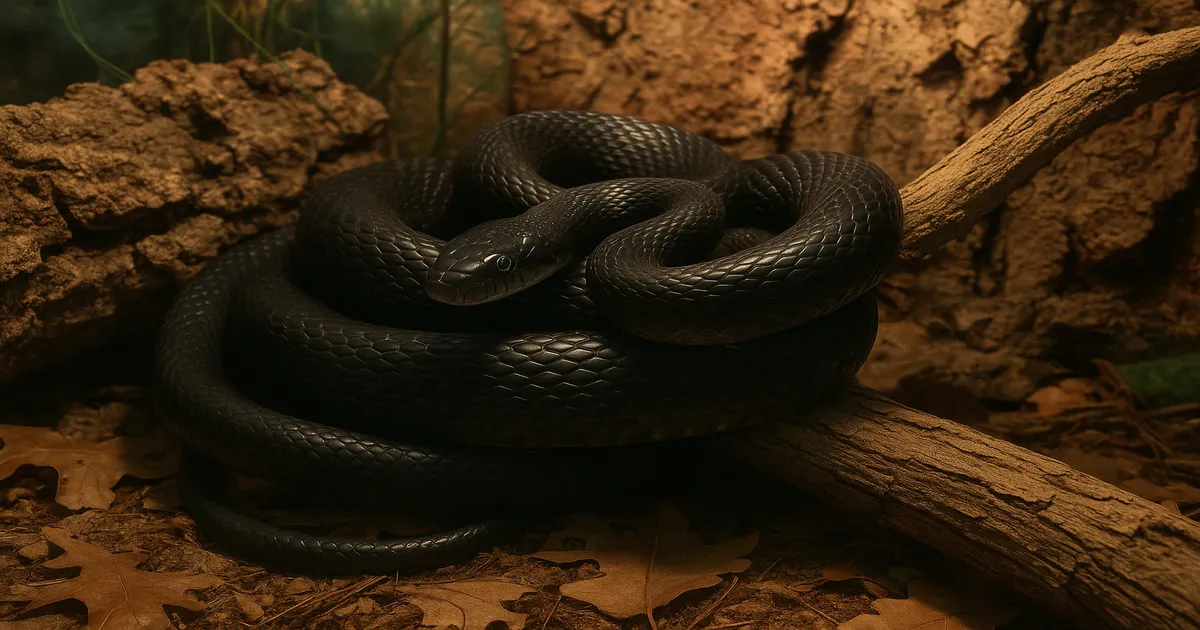
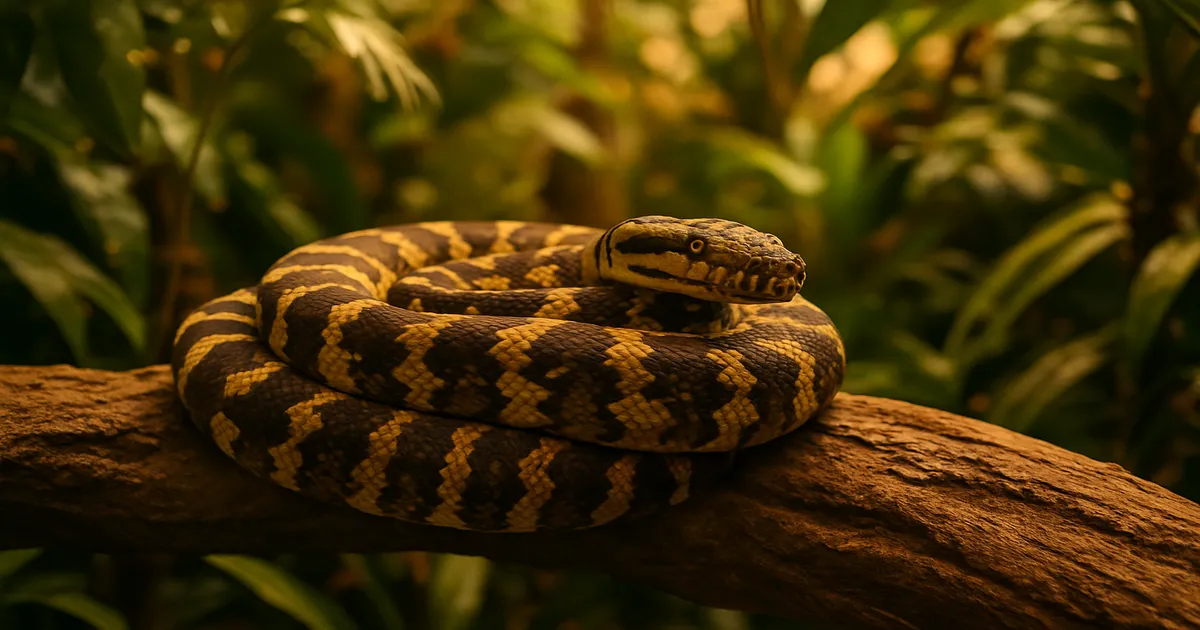
Quick Answer: Most carpet pythons do well with 2–3 handling sessions per week, each lasting 10–20 minutes, once they’re fully settled. The goal isn’t bonding — it’s habituation. A well-handled carpet python is calm and manageable, not cuddly, and that’s a perfectly good outcome.
If you’ve been Googling how often should I handle my carpet python, here’s the honest answer: it depends, but not on as many things as you’d think. Age, subspecies, and where your snake is in its feeding cycle all matter. But the core framework is simple once you understand what you’re actually trying to accomplish.
Carpet pythons aren’t social animals. They don’t seek out interaction and they’re never going to greet you at the door. What you’re building through regular handling is tolerance — a snake that stays relaxed in your hands, doesn’t strike or musk, and can be safely examined when you need to. That’s it. And it’s genuinely achievable with most individuals.
Before You Handle: The New Snake Acclimation Period
The 2–4 Week No-Handle Rule
This is the part most people skip, and it causes more problems than almost anything else in carpet python keeping. When you bring a new snake home, leave it alone. No handling, minimal disturbance — just correct temperatures, a secure hide, and fresh water.
Two weeks is the absolute minimum. For snakes that arrived defensive — tight coiling, striking at the tub walls, hissing — push that to four weeks without question. The snake needs to establish that its enclosure is safe before it can start learning that you’re safe.
How Many Meals Before First Handling?
Three to five consecutive successful feedings. That’s the benchmark I use, and it’s not arbitrary. A snake that’s eating reliably has settled into its environment and is stable enough to begin handling without major setbacks. A snake that’s only eaten once or twice is still in survival mode — handling it will almost certainly disrupt that fragile feeding pattern.
Signs Your Carpet Python Is Ready
Look for these before you even open the enclosure:
- Loose, relaxed body posture — draped over a branch or coiled softly on the substrate
- Slow, exploratory movement when you approach
- Tongue-flicking without defensive posturing
- No immediate head-tracking or S-curve posture when the lid comes off
Tightly coiled with its head tucked? Snapping at movement through the glass? Wait another week.
How Often Should I Handle My Carpet Python? A Schedule by Age
Juveniles (0–18 Months)
Keep sessions short and predictable. Two to three times per week, 5–15 minutes each. Always use a hook for initial contact — touch the mid-body for 5–10 seconds before picking up. This interrupts the feeding response and signals that what’s touching them isn’t prey.
Juveniles stress more easily than adults, and their defensive behavior is almost always fear-based rather than genuine aggression. Consistent, calm, brief sessions will do more good than longer ones that end with a stressed snake.
Sub-Adults (18 Months–3 Years)
By this stage, most carpet pythons have mellowed noticeably. Three sessions per week, 15–20 minutes each, is a solid target. You can start reading your individual animal’s signals more carefully here — some snakes are clearly more relaxed than others, and there’s no reason to stick rigidly to a schedule if your snake is telling you something different.
Hook use is still a good habit, especially with jungle carpets that were nippy as juveniles.
Adults (3+ Years)
Two to three sessions per week, 20–30 minutes. Well-established adults can handle free-roaming enrichment sessions in a secure room — genuinely enriching for a semi-arboreal species, and most adults seem to enjoy the exploration once they’re comfortable with you.
Handling Rules That Always Apply
The 48–72 Hour Post-Feeding Window
Never handle within 48 hours of a meal. For larger snakes or bigger prey items, stretch that to 72 hours. Handling during digestion can cause regurgitation, which is physically traumatic — repeated regurgitation causes esophageal damage that’s sometimes fatal. Keep a log. It’s easy to lose track when you’re feeding every 7–10 days.
Never Handle During a Shed
When your snake goes opaque — eyes turn blue-gray, skin looks dull and chalky — leave it alone until the shed is complete. The snake is temporarily blind, more defensive, and the loosening skin can be damaged by handling. Wait until after the shed skin has been passed, then give it a day before resuming normal sessions.
Humidity matters here too. Carpet pythons generally do well at 50–60% ambient humidity, bumped to 65–70% during shed. A humid hide packed with damp sphagnum moss helps enormously if your snake has trouble completing clean sheds.
Approach Technique
Always approach from the side and below, never from above. An overhead approach mimics an aerial predator and will trigger a defensive response even in otherwise calm snakes. Hook the mid-body, let the snake register the contact for a few seconds, then scoop smoothly and confidently from underneath. Hesitant, tentative movements are more likely to provoke a bite than a calm, deliberate pick-up.
Wash your hands before every session. Prey scent — from handling feeders, other animals, even certain hand lotions — is a fast track to an accidental bite.
Handling by Subspecies: Coastal, Jungle, and Diamond
Coastal Carpet Python (M. s. mcdowelli): Best for Beginners
Coastals are the workhorses of the hobby — generally the most forgiving, the most docile as juveniles, and the most likely to settle into a relaxed handling routine without much drama. Standard protocol applies. Ambient temps of 75–80°F (24–27°C) with a basking spot of 88–92°F (31–33°C) suit them well. If you’re new to carpet pythons, start here.
Jungle Carpet Python (M. s. cheynei): Patience Required
Jungle carpets have a reputation for being nippy, and honestly, it’s earned — as juveniles. The thing is, with consistent calm handling, most jungle carpets become genuinely excellent adults. I’ve seen snakes that were striking at everything at six months old become completely relaxed by two years. Don’t give up on them.
Hook use is non-negotiable early on. Expect more defensive behavior in the first year and don’t take it personally. Same temperature parameters as coastals apply.
Diamond Python (M. s. spilota): Handle with Care
Diamonds are a different animal in more ways than one. Their temperature requirements are significantly cooler — basking spots no higher than 85°F (29°C), with cool sides as low as 65°F (18°C) — and overheating is a genuine risk if you treat them like a coastal. Temperament is variable too. Some individuals become calm and handleable; others stay defensive their whole lives. I wouldn’t recommend a diamond as a first snake.
Individual Personality Trumps Subspecies Reputation
That said — subspecies temperament is a starting point, not a guarantee. I’ve met coastal carpets that were defensive adults and jungle carpets that were calm from day one. Assess your specific animal, not the reputation of the subspecies.
Reading Your Carpet Python’s Body Language
Receptive to Handling
- Loosely draped on a branch or coiled softly on the substrate
- Slow, exploratory tongue-flicking when you approach
- Moving calmly without tracking your movements with a raised, tense head
Stressed or Defensive
- Tight defensive coil with head tucked underneath
- S-curve strike posture, head raised and following your movements
- Hissing, musking, or defecating during handling
- Frantic, urgent escape attempts — not curious exploration
When Your Snake Doesn’t Want to Be Handled
Put it back. Seriously. Forcing a session on a clearly defensive snake doesn’t build tolerance — it builds a more defensive snake. Set it down calmly, close the enclosure, and try again in a day or two. Consistency over time is what tames a carpet python, not winning individual battles.
Common Handling Mistakes
Handling Too Soon
The acclimation period isn’t optional. A snake that isn’t eating reliably has no business being handled yet. Full stop.
Overhandling
Daily handling — especially for juveniles — is too much. Chronic stress suppresses immune function and causes feeding refusal. If your snake has refused three or more consecutive meals, stop all handling immediately and reassess your husbandry before anything else.
Reacting Badly to a Bite
If a juvenile bites you, don’t yank your hand away. That causes tearing wounds and, worse, teaches the snake that biting produces a dramatic result. Stay calm, gently push your hand slightly toward the bite to release the grip, then set the snake down quietly. Your calm reaction is the lesson.
Inconsistent Schedules
Three sessions per week, every week, beats daily handling for a month followed by six weeks of nothing. Carpet pythons respond well to routine. Pick a schedule you can actually maintain.
Building a Long-Term Routine
Track Feeding and Handling
A basic spreadsheet or notebook works fine — date, whether the snake ate, weight if you track it, any behavioral notes. This prevents accidentally handling in the post-feeding window and helps you catch stress-related feeding refusal early.
Gradually Increase Session Length
Start at five minutes. Add five minutes per week as long as the snake stays calm. Build toward 20–30 minute sessions over a few months rather than jumping straight to long sessions that push the snake’s tolerance.
The Towel Method for Defensive Snakes
For particularly defensive animals, try draping a small fleece over them before picking up. Many snakes calm significantly when they feel covered — it mimics the security of a hide. Phase the towel out gradually as the snake’s confidence builds.
What a Well-Tamed Carpet Python Looks Like
Here’s the payoff for all this patient, consistent work: carpet pythons handled regularly from a young age often become genuinely curious and exploratory during sessions. They’ll investigate your hands, move around on their own, and seem engaged rather than merely tolerant. Even defensive juveniles almost always become manageable adults by 18–24 months. It’s worth the effort.
Frequently Asked Questions
How often should I handle my carpet python as a beginner?
Stick to 2–3 sessions per week, 10–15 minutes each. Keep things predictable — same time of day, same approach, same hook technique. Consistency matters more than anything else at this stage.
How long should I wait to handle my carpet python after feeding?
At least 48 hours after any feeding, and 72 hours for larger meals or larger snakes. Handling during digestion risks regurgitation, which can cause serious physical damage. A feeding log makes this easy to track.
Why does my carpet python keep trying to bite me?
Most biting comes down to one of three things: a feeding response (the snake thinks you’re food), fear (especially in juveniles or newly acquired snakes), or being handled when it doesn’t want to be. Use a hook to break the feeding response before picking up, approach from the side and below, and read body language before starting a session.
How do I know if my carpet python is stressed from too much handling?
The clearest signs are repeated feeding refusals, constant escape attempts during handling, hissing or musking that wasn’t present before, and spending abnormally long periods hiding. If you’re seeing two or more of these together, pull back on handling, double-check your husbandry, and give the snake a week or two of quiet.
At what age do carpet pythons calm down?
Most settle noticeably between 18 months and 2 years with consistent handling. Jungle carpets can take a bit longer, but the same principle applies: calm, regular sessions from a young age almost always produce a manageable adult by the two-year mark. Don’t give up on a defensive juvenile — they usually come around.