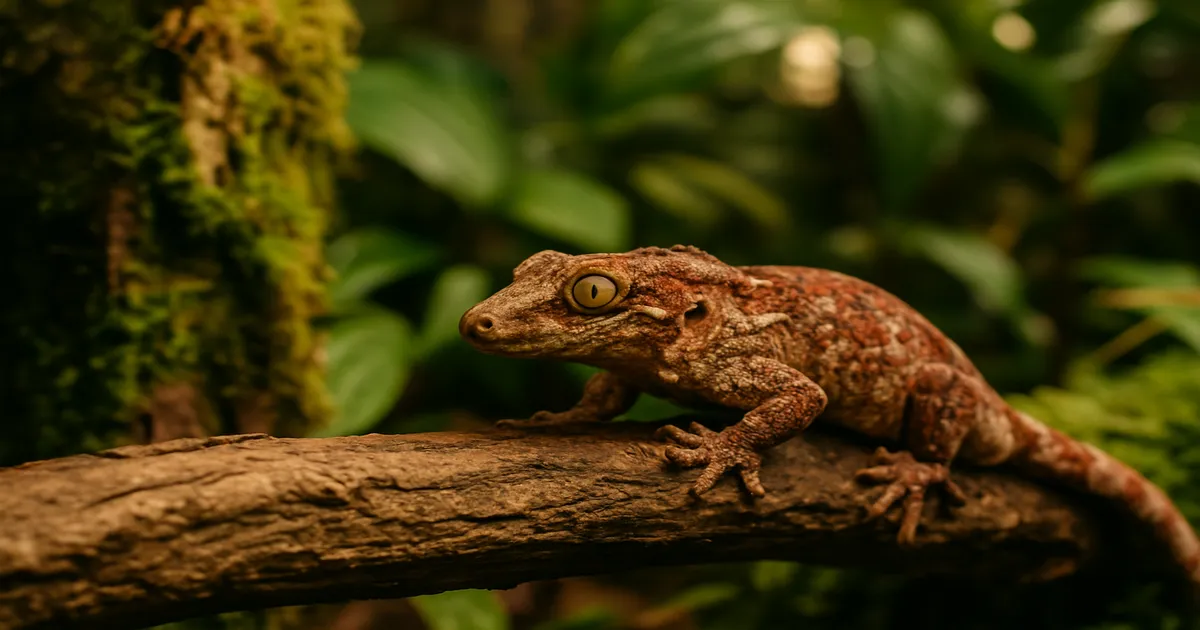
Quick Answer: To help a gargoyle gecko shed, keep ambient humidity at 50–70% with evening misting spikes up to 80–100%, and always have a humid hide packed with damp sphagnum moss somewhere in the upper half of the enclosure. If your gecko has retained shed, the sauna method or a brief warm soak resolves most cases. Gargoyle geckos almost always eat their shed skin, so you may never actually see it — but you should still check toe pads and the tail base after every suspected shed.
Gargoyle geckos are low-drama pets in most respects, but knowing how to help a gargoyle gecko shed is one of those things that separates keepers who just keep their gecko alive from keepers who actually keep it healthy. Shedding problems are almost always preventable, and when they do happen, they’re usually fixable at home if you catch them early.
Understanding the Gargoyle Gecko Shedding Process
What Is Ecdysis and Why Do Geckos Shed?
Ecdysis is the complete replacement of the outer skin layer. As a gecko grows, the old skin can’t stretch to fit anymore, so a new layer forms underneath and the old one gets cast off. Unlike snakes — which usually peel off in one satisfying piece — gargoyle geckos shed in patches, often consuming each piece as they go.
How Often Do Gargoyle Geckos Shed?
Shedding frequency drops off as geckos mature:
- Juveniles (under 6 months): Every 2–3 weeks
- Sub-adults (6–18 months): Every 3–5 weeks
- Adults: Every 4–8 weeks, sometimes longer
A young gecko that seems permanently stuck in pre-shed is completely normal — they’re just growing fast.
Why You Rarely See the Shed Skin
This trips up a lot of new keepers. Gargoyle geckos almost always eat their shed immediately, partly to recycle the calcium and nutrients in it, and partly because leaving evidence of their presence around is a terrible survival strategy in the wild. If you’ve never found a shed in your enclosure, don’t panic. Check the glass and decor for small stuck fragments — those confirm a shed happened even if the bulk of it is long gone.
Pre-Shed Signs to Watch For
The clearest indicator is a dull, faded, or grayish appearance. The gecko’s normal pattern looks muted, and the eyes may take on a slightly cloudy or bluish tint. Most of the actual shedding happens at night, which is another reason keepers miss it entirely. I’ve found it useful to photograph my geckos regularly under consistent lighting — color changes are much easier to spot when you have something to compare against.
Humidity: The Most Critical Factor for Healthy Sheds
Ideal Humidity Ranges for Gargoyle Geckos
Low humidity is the number one cause of problem sheds, full stop. The baseline target is 50–70% relative humidity, with evening misting spikes up to 80–100% for an hour or two before letting it drop back down. When you see pre-shed signs, nudge toward the upper end of that baseline range and make sure the humid hide is freshly moistened.
The Wet/Dry Cycle — and Why Constant High Humidity Is a Problem
Keeping the enclosure soaking wet around the clock is a mistake I see constantly, and it’s worth being direct about: it doesn’t help sheds, and it creates conditions for bacterial infections, respiratory issues, and mold. The wet/dry cycle mimics the natural humidity patterns of New Caledonia’s subtropical forests, where nights are humid and days dry out considerably. That rhythm matters for more than just shedding.
A digital hygrometer/thermometer combo placed at mid-enclosure height gives you the most useful reading. Two units — one near the top, one near the bottom — tell you even more, especially if you’re fighting humidity retention issues. Use dechlorinated, filtered, or RO water for misting; hard tap water leaves mineral deposits that look alarming on the glass and can interfere with shed around the face and eyes.
Setting Up the Right Shedding Environment
The Humid Hide: More Important Than Your Misting Schedule
If I had to pick one piece of equipment that prevents the most shed problems, it’s the humid hide — not the misting system, not the hygrometer. A small enclosed container with a lid, filled with damp sphagnum moss, gives your gecko a high-humidity microclimate it can use whenever it needs it. The detail most people get wrong: place it at mid-to-upper enclosure level. Gargoyle geckos are arboreal. A hide sitting on the substrate floor may never get used.
Enclosure Type and Humidity Retention
Screen-top glass terrariums lose humidity fast, especially in dry climates. Covering 50–75% of the screen with aluminum foil or glass panels makes a real difference. (Exo Terra Natural Terrarium 18x18x24) PVC enclosures retain humidity the best and are worth considering if you live somewhere arid. (Animal Plastics T8) Front-opening glass terrariums are my personal preference for ease of maintenance without disturbing a gecko that’s settled in up high.
Decor and Substrate That Support Healthy Sheds
Gargoyle geckos rub against textured surfaces to work old skin off. Cork bark tubes and flats are essential — they provide both hides and the right texture. Bamboo perches, live pothos, bromeliads, and philodendron add climbing structure and additional rubbing surfaces. A layer of magnolia or oak leaf litter at the substrate level adds naturalistic texture and helps retain humidity near the bottom.
For substrate, a bioactive mix of coconut fiber, topsoil, and a small amount of sand (roughly 60/30/10) at 3–4 inches (7–10 cm) deep buffers humidity naturally without becoming waterlogged. The squeeze test: grab a handful and squeeze — it should hold its shape and release only a drop or two of water. If it’s dripping, it’s too wet.
How to Help a Gargoyle Gecko with a Difficult Shed
Step 1 — Confirm Retained Shed and Find the Problem Areas
Before doing anything, confirm a shed actually occurred and figure out where the retained pieces are. Check the enclosure glass for stuck fragments, then examine the gecko closely — a magnifying glass or loupe helps. Focus on:
- Toe pads (the most common problem area)
- Tail base
- Cranial bumps (the “gargoyle horns”)
- Around the eyes
Retained shed looks like a dull, tight, papery layer that doesn’t match the gecko’s normal skin texture.
Step 2 — The Sauna Method for Mild Cases
This is where I start with most retained shed situations. Place the gecko in a small plastic container with a few ventilation holes punched in the lid. Add a piece of damp paper towel or a small clump of damp sphagnum moss — not touching the gecko directly. Close the lid and leave it for 10–15 minutes. The humidity inside spikes significantly, and that’s often enough to loosen mild retained shed so the gecko can finish the job itself. It’s gentler than a full soak and causes less stress.
Step 3 — Warm Water Soaks for Stubborn Cases
If the sauna method didn’t do it, move to a warm soak. Use a shallow container with water at 85–90°F (29–32°C) — deep enough to cover the gecko’s belly, roughly ½ inch (1.2 cm). The gecko should be able to stand without being submerged. Do this at night when the gecko is naturally active and less stressed. Never leave the gecko unattended — they can tire and drown in surprisingly shallow water.
Step 4 — Safely Removing Loosened Shed from Toes and Tail
After soaking or the sauna method, use blunt-tipped tweezers and cotton swabs to carefully remove shed that has genuinely loosened. The operative word is loosened — if it’s not coming off easily, don’t force it. Pulling shed that’s still adhered to living tissue causes bleeding, scarring, and makes future sheds harder in that same spot. Pay close attention to the tail base; retained rings there can trigger tail drop or lead to necrosis if left untreated.
Step 5 — Retained Eye Caps: When to Call a Vet
Don’t attempt DIY eye cap removal unless you’ve been shown the technique by a reptile vet. The risk of permanent eye damage is real. In most cases, improving humidity and ensuring the humid hide is accessible will allow the next shed cycle to resolve it naturally. If the cap has been retained for more than one shed cycle, that’s a vet visit — not a YouTube tutorial.
Other Factors That Affect Shedding
Temperature
Gargoyle geckos need ambient daytime temps of 72–78°F (22–26°C) and nighttime temps of 65–72°F (18–22°C). The absolute ceiling is 85°F (29°C) — above that, you’re looking at heat stress and dehydration, both of which directly impair shedding. These aren’t basking reptiles. There’s no need for a dedicated hot spot, and setting one up without a thermostat is one of the most common ways keepers accidentally harm them. Always use a thermostat on any heating equipment. (Herpstat 1)
Nutrition
Vitamin A deficiency is a documented cause of dysecdysis in reptiles. Use a complete vitamin supplement that includes beta-carotene or preformed Vitamin A, and keep your calcium/D3 supplementation balanced. Quality commercial crested gecko diets are nutritionally solid — Pangea and Repashy are both reliable options — but throwing in occasional live insects like dubia roaches or crickets adds variety and nutrients that seem to support overall skin health.
Stress and Illness
A chronically stressed gecko — too few hides, no real sense of security, an enclosure that doesn’t meet its needs — will have elevated cortisol levels that suppress immune function and disrupt normal shedding cycles. If you’re doing everything right husbandry-wise and still seeing repeated problem sheds, a vet visit to rule out parasites or underlying illness is the right call.
Common Mistakes That Cause Shedding Problems
Humidity extremes. The two most common mistakes are opposite: ignoring humidity entirely, or keeping the enclosure soaking wet 24/7. Neither works. The wet/dry cycle is the answer, and a humid hide covers the gap between misting sessions.
Pulling shed that hasn’t loosened. This tears living tissue and causes scarring that makes future sheds harder in the same spot. If it’s not coming off with gentle pressure after a soak, leave it.
Skipping the toe pads and tail base. These are the two areas where retained shed causes the most serious harm, and the two areas keepers most often skip. Retained shed rings on the toes can cut off circulation and cause toe loss within days. Retained rings at the tail base can trigger autotomy or lead to necrosis. Check both areas after every shed — even the ones you never actually see.
Insufficient vertical space. Gargoyle geckos need height. A flat, horizontal enclosure limits natural behavior and contributes to chronic low-level stress. A minimum of 18×18×24 inches (45×45×60 cm) for an adult is the floor, not the goal.
Frequently Asked Questions
Why isn’t my gargoyle gecko shedding completely?
Incomplete sheds are almost always a humidity problem. Check that ambient humidity is holding at 50–70% and that you have a humid hide with fresh damp sphagnum moss placed in the upper half of the enclosure. If humidity looks fine, consider whether nutritional deficiencies, stress, or an underlying health issue might be involved.
How do I know if my gargoyle gecko has retained shed on its toes?
Look closely at each toe pad — retained shed appears as a dull, tight, papery layer that doesn’t match the gecko’s normal skin texture. A magnifying glass helps. If you see any constriction, or the toes look swollen or darker than normal, treat it as urgent and use the sauna method or warm soak immediately. Retained toe shed can cause toe loss within days.
Should I help my gargoyle gecko shed, or leave it alone?
Leave it alone unless you’ve confirmed retained shed. A healthy gecko with proper humidity and a humid hide will handle shedding entirely on its own. Only intervene — with the sauna method, a warm soak, or gentle manual removal — when you’ve found retained shed the gecko hasn’t cleared after 24–48 hours.
Is it normal for a gargoyle gecko to eat its shed skin?
Completely normal, and actually a good sign. Gargoyle geckos consume their shed to recycle nutrients and avoid leaving evidence of their presence for predators. Many keepers go months without ever finding shed in the enclosure. As long as your gecko looks healthy and is eating well, there’s nothing to worry about.
How often do gargoyle geckos shed?
It depends on age. Juveniles shed every 2–3 weeks, sub-adults every 3–5 weeks, and adults every 4–8 weeks. Because gargoyle geckos eat their shed skin, you may have no idea a shed occurred — which is completely normal.